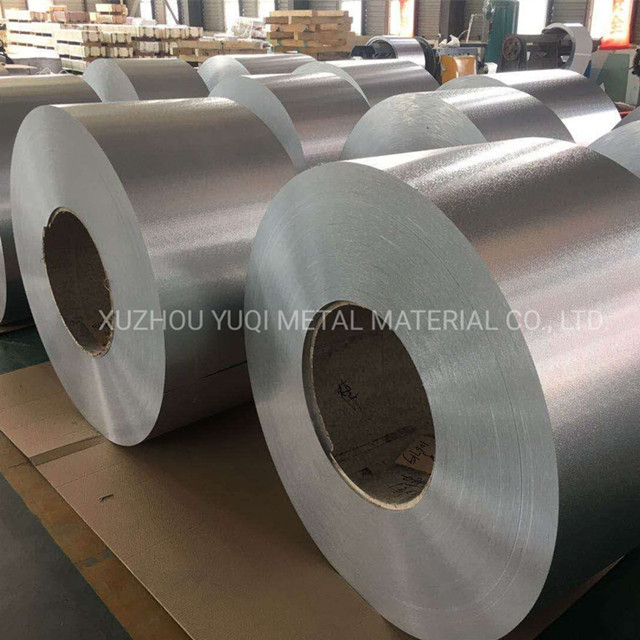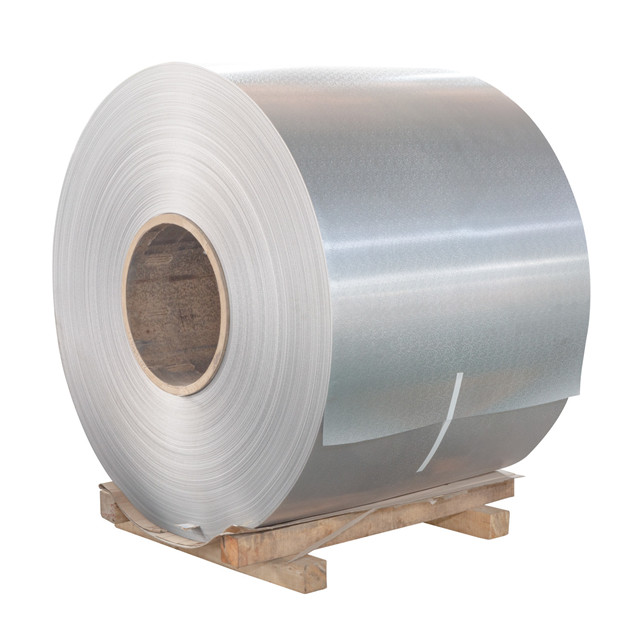
Did you know that aluminum coils are revolutionizing HVAC systems? These lightweight components are not just cost-effective but also efficient. Integral to evaporators and condensers, aluminum coils enhance heat exchange, crucial for HVAC performance. In this post, you'll learn about their thermal efficiency and the importance of surface treatments in extending coil lifespan.
Understanding Aluminum Coils in HVAC Systems
Role of Aluminum Coils in HVAC Components
Aluminum coils are essential parts of HVAC systems, mainly found in components like evaporators and condensers. They serve as heat exchangers, transferring heat between the refrigerant inside the coil and the surrounding air. This process is vital for cooling or heating indoor spaces efficiently. Their lightweight nature allows for easier installation and reduces the overall weight of HVAC units, which benefits structural design and transportation.
Benefits of Using Aluminum Over Other Materials
Aluminum offers several advantages compared to materials like copper or steel:
Lightweight: Weighs about 30-40% less than copper, easing handling and reducing shipping costs.
Corrosion Resistance: Naturally forms a protective oxide layer, which helps resist corrosion especially in humid or coastal environments.
Cost-Effective: Aluminum is significantly cheaper than copper, providing manufacturers and consumers with notable cost savings.
Thermal Conductivity: While not as high as copper, aluminum’s thermal conductivity is sufficient for efficient heat transfer in HVAC applications.
Design Flexibility: Its malleability allows for innovative coil designs such as microchannel coils, which improve heat exchange efficiency and reduce refrigerant charge.
These benefits make aluminum a popular choice for modern HVAC coils, especially where cost and corrosion resistance are priorities.
Key Specifications: Alloy Type, Thickness, and Surface Treatment
Selecting the right aluminum coil depends on several key specifications:
Alloy Type: Common alloys include 1050 (high thermal conductivity), 3003 (good corrosion resistance and moderate strength), and 6061 (high strength and durability). The alloy choice affects the coil’s performance and lifespan.
Thickness: Coil thickness influences durability and pressure resistance. Thicker coils withstand mechanical stress better but may reduce flexibility. Typical thickness ranges from 0.09 mm to 0.15 mm in advanced designs.
Surface Treatment: Treatments like anodizing or hydrophobic coatings enhance corrosion resistance and extend coil life. For example, anodizing can increase service life by up to 50% by forming a tough, protective oxide layer.
Choosing the right combination ensures the coil meets performance requirements and environmental challenges.
Note: When specifying aluminum coils, consider environmental conditions and system design to select alloys and surface treatments that maximize durability and thermal efficiency.

Thermal Efficiency of Aluminum Coils
How Thermal Conductivity Impacts Energy Efficiency
Thermal conductivity is key to how well aluminum coils transfer heat in HVAC systems. It measures a material’s ability to conduct heat. The higher the conductivity, the better the coil moves heat from the refrigerant to the air or vice versa. Aluminum has a thermal conductivity around 235 W/m·K, which is good but lower than copper’s 400 W/m·K. This means aluminum coils must be designed carefully to maintain energy efficiency.
If the coil transfers heat efficiently, the HVAC system uses less energy. The compressor doesn't have to work as hard, lowering electricity consumption and operating costs. Poor heat transfer forces the system to run longer, increasing wear and energy use. So, optimizing aluminum coil design is essential to maximize thermal efficiency and reduce energy bills.
Comparative Analysis: Aluminum vs. Copper
Copper has long been the gold standard for HVAC coils due to its excellent thermal conductivity and durability. However, aluminum offers advantages in weight, cost, and corrosion resistance, making it popular in modern systems.
| Feature | Aluminum | Copper |
| Thermal Conductivity | ~235 W/m·K | ~400 W/m·K |
| Weight | About 30-40% lighter | Heavier |
| Corrosion Resistance | Naturally forms oxide layer | Prone to formicary corrosion |
| Cost | Lower raw material cost | Higher raw material cost |
| Repairability | Difficult to repair | Easier to repair |
Aluminum coils compensate for lower conductivity by using larger surface areas or advanced designs like microchannel coils. Copper coils transfer heat faster and require less material thickness, but cost more and weigh more. Aluminum’s corrosion resistance makes it ideal for humid or coastal environments where copper may degrade faster.
Design Innovations to Enhance Heat Transfer
Manufacturers have developed several innovations to boost aluminum coils’ thermal efficiency:
Microchannel Coils: These use multiple flat channels instead of round tubes, increasing surface area and improving heat exchange.
Optimized Fin Designs: Fins increase the contact area with air. Designs like louvered or wavy fins enhance airflow and heat transfer.
Thinner Foils: Modern aluminum foils are ultra-thin (0.09–0.15 mm), improving heat transfer while maintaining strength.
Surface Treatments: Hydrophilic coatings improve condensate drainage, reducing resistance and boosting efficiency.
Enhanced Tube Geometry: Rifled or grooved tubes increase turbulence inside the refrigerant flow, improving heat transfer rates.
These innovations help aluminum coils approach or match copper’s performance while keeping cost and weight advantages.
Tip: To maximize aluminum coil efficiency, select coils with microchannel designs and hydrophilic surface treatments, which improve heat transfer and reduce energy consumption in HVAC systems.
Surface Treatments for Aluminum Coils
Importance of Surface Treatments in Corrosion Resistance
Aluminum coils, though naturally corrosion-resistant due to their oxide layer, still face challenges in harsh HVAC environments. Moisture, pollutants, and chemicals can wear down the protective layer over time, leading to corrosion that reduces coil efficiency and lifespan. Surface treatments play a crucial role in reinforcing this protection, preventing premature coil failure and costly replacements.
In HVAC systems, especially those near coastal or industrial areas, corrosion can cause fins and tubes to degrade, reducing heat transfer effectiveness. Proper surface treatments extend coil durability, maintaining thermal efficiency and lowering maintenance needs.
Types of Surface Treatments: Anodizing, Hydrophobic Coatings
Several surface treatments enhance aluminum coil performance:
Anodizing: This electrochemical process thickens the natural oxide layer on aluminum, creating a hard, durable surface. Anodized coils resist corrosion, abrasion, and chemical attack better than untreated aluminum. The treatment also improves adhesion for additional coatings or paints if applied. It can extend coil life by up to 50%, especially in corrosive environments.
Hydrophobic Coatings: These coatings repel water, preventing moisture accumulation on coil surfaces. By reducing water retention, hydrophobic treatments minimize corrosion risks and improve condensate drainage. This leads to less fouling and better heat transfer. Hydrophobic surfaces also reduce the buildup of dirt and biological contaminants, further protecting the coil.
Other Coatings: Additional options include epoxy or polymer-based coatings that provide chemical resistance and mold inhibition. Some coatings combine hydrophilic and hydrophobic properties to optimize condensate management and corrosion protection.
Impact of Surface Treatments on Coil Longevity
Surface treatments significantly enhance coil lifespan by shielding aluminum from environmental stressors. Treated coils maintain thermal conductivity longer, ensuring HVAC systems run efficiently. Reduced corrosion means fewer leaks, less frequent coil replacements, and lower lifecycle costs.
For example, HVAC units with anodized aluminum coils in coastal areas show notably less corrosion damage after several years compared to untreated coils. Hydrophobic coatings help maintain cleaner coil surfaces, reducing energy consumption by sustaining optimal heat exchange.
Moreover, surface treatments can reduce downtime and maintenance expenses. They protect against common issues like pitting, oxidation, and microbial growth that degrade coil function.
Tip: Choose aluminum coils with anodized or hydrophobic surface treatments to maximize corrosion resistance and extend HVAC system life, especially in humid or corrosive environments.
Choosing the Right Aluminum Alloy for HVAC Applications
Factors Affecting Alloy Choice: Corrosion Resistance and Strength
Selecting the right aluminum alloy for HVAC coils depends largely on corrosion resistance and mechanical strength. Corrosion resistance is crucial because HVAC coils are often exposed to moisture, chemicals, and pollutants that can degrade the metal over time. An alloy with good corrosion resistance helps extend the coil’s lifespan and maintains thermal efficiency.
Strength is another key factor. Coils must withstand internal pressure from refrigerants and external mechanical stresses during installation and operation. An alloy that balances strength and flexibility reduces the risk of damage and deformation.
Environmental conditions play a huge role in alloy selection. For example, coastal or industrial areas with salty or polluted air need alloys with superior corrosion resistance. Meanwhile, commercial or industrial HVAC systems might require alloys with higher strength to handle heavy-duty use.
Popular Aluminum Alloys in HVAC Systems
Several aluminum alloys are commonly used in HVAC coils due to their favorable properties:
1050 Alloy: Known for excellent thermal conductivity and high corrosion resistance. It’s soft and easy to form, making it ideal for evaporator fins but less suitable for high-pressure tubes.
3003 Alloy: Offers a good balance of corrosion resistance, moderate strength, and workability. It’s widely used for fins and some tubing in HVAC coils.
6061 Alloy: Provides high strength and good corrosion resistance. It is more durable and used in structural components or tubes that require higher pressure tolerance.
Other Alloys: Some specialized alloys include small amounts of manganese, magnesium, or silicon to enhance strength or corrosion resistance, tailored for specific HVAC applications.
Aligning Alloy Choices with Environmental Conditions
Environmental exposure strongly influences alloy selection:
Humid or Coastal Areas: Salt and moisture accelerate corrosion. Alloys like 3003 or anodized 6061 are preferred, often combined with protective surface treatments.
Industrial Environments: Pollutants and chemicals require alloys with enhanced corrosion resistance and sometimes thicker gauge materials to withstand harsh conditions.
Residential Settings: Lower exposure to corrosive elements allows use of alloys like 1050 or 3003, balancing cost and performance.
Manufacturers often complement alloy choice with surface treatments such as anodizing or hydrophobic coatings to further improve durability.
Tip: Match aluminum alloy selection to the specific environmental conditions and mechanical demands of your HVAC system to maximize coil lifespan and thermal efficiency.
Best Practices for Aluminum Coil Installation and Maintenance
Correct Installation Techniques for Optimal Performance
Installing aluminum coils properly is key to getting the best performance and longevity. Because aluminum is lighter and softer than copper, it requires careful handling to avoid damage. Here are some essential installation tips:
Handle with care: Avoid dropping or bending coils during transport and installation. Aluminum fins and tubes can dent or deform easily, which reduces heat transfer efficiency.
Secure mounting: Use appropriate brackets and supports to prevent vibration and movement. Loose coils can develop stress points leading to cracks or leaks.
Proper alignment: Ensure coils are perfectly aligned with airflow direction. Misalignment increases air resistance and lowers thermal efficiency.
Avoid contact with dissimilar metals: Aluminum can corrode when in contact with copper or steel due to galvanic corrosion. Use insulating materials or coatings at connection points.
Seal joints correctly: Use compatible sealants and brazing materials designed for aluminum to prevent refrigerant leaks and maintain system integrity.
Following these techniques helps maintain coil shape, ensures efficient heat transfer, and reduces the risk of premature failure.
Routine Maintenance to Prevent Wear and Corrosion
Regular maintenance keeps aluminum coils working efficiently and extends their lifespan. Maintenance tasks include:
Cleaning: Dirt, dust, and debris reduce airflow and heat exchange. Use gentle cleaning methods like low-pressure water sprays or soft brushes to avoid bending fins.
Inspecting for damage: Check for bent fins, corrosion spots, or leaks. Early detection allows for timely repairs before bigger problems develop.
Checking surface coatings: Some aluminum coils have protective anodized or hydrophobic coatings. Inspect these coatings regularly for wear or damage and reapply if needed.
Controlling moisture: Excess moisture promotes corrosion and mold growth. Ensure proper drainage and ventilation around coils.
Monitoring refrigerant levels: Leaks reduce system efficiency and can damage coils. Regularly check refrigerant pressure and repair leaks immediately.
Consistent maintenance minimizes energy loss, prevents costly repairs, and prolongs coil service life.
Advanced Coatings to Enhance Thermal Performance
Modern surface treatments improve aluminum coil durability and thermal efficiency:
Anodizing: Creates a hard oxide layer that resists corrosion and abrasion. It also improves heat transfer by stabilizing the surface.
Hydrophobic coatings: Repel water, reducing condensate buildup and corrosion risk. They help maintain clean coil surfaces and efficient heat exchange.
Anti-microbial coatings: Prevent mold and bacterial growth, improving indoor air quality and coil hygiene.
Epoxy or polymer coatings: Provide chemical resistance in harsh environments like coastal or industrial areas.
These coatings protect coils from environmental damage while sustaining or enhancing heat transfer efficiency. Choosing the right coating depends on system location, operating conditions, and maintenance capabilities.
Tip: Always pair correct aluminum coil installation with regular cleaning and advanced surface treatments to maximize thermal efficiency and extend HVAC system life.
Comparing Aluminum Coils with Copper Coils
Pros and Cons of Aluminum vs. Copper
Aluminum and copper coils each have strengths and weaknesses that affect HVAC system performance and cost.
Aluminum Coils:
Lightweight: Aluminum weighs about 30-40% less than copper, making installation easier and reducing structural load.
Corrosion Resistance: It forms a natural oxide layer that protects against rust, especially in humid or coastal environments.
Cost-Effective: Aluminum is cheaper than copper, lowering manufacturing and replacement costs.
Design Flexibility: It allows for advanced designs like microchannel coils, improving heat transfer despite lower conductivity.
Repair Challenges: Aluminum is harder to repair if damaged, often requiring full replacement.
Copper Coils:
Superior Thermal Conductivity: Copper’s conductivity (~400 W/m·K) outperforms aluminum (~235 W/m·K), enabling faster heat transfer.
Durability: Copper is stronger and more resistant to mechanical damage.
Ease of Repair: Copper coils can be soldered or brazed easily, reducing downtime and repair costs.
Corrosion Susceptibility: Copper can suffer from formicary corrosion in polluted or humid environments without coatings.
Higher Cost and Weight: Copper is more expensive and heavier, increasing shipping and installation expenses.
Cost Efficiency and Environmental Impact
Aluminum coils typically cost 40-50% less than copper equivalents. This price difference remains significant even when accounting for aluminum’s need for larger coil surface areas or protective coatings. The lighter weight also reduces transportation and installation costs.
From an environmental perspective, both metals are recyclable. Aluminum recycling uses less energy than primary production but more than copper recycling. However, aluminum’s lighter weight lowers transport emissions, balancing the environmental footprint.
Performance in Various Environmental Conditions
Copper coils excel in environments demanding high thermal efficiency and durability, such as industrial or extreme climates. Their strength and repairability make them suitable for long-term applications.
Aluminum coils perform better in coastal or high-humidity areas due to natural corrosion resistance. Protective surface treatments further enhance longevity. However, aluminum’s lower thermal conductivity means coils often need larger surface areas or advanced designs to match copper’s efficiency.
Tip: When choosing between aluminum and copper coils, consider your environment, budget, and maintenance capabilities to balance cost savings, performance, and durability effectively.
Conclusion
Aluminum coils offer essential benefits in HVAC systems, including lightweight design, corrosion resistance, and cost-effectiveness. Future trends may focus on enhancing thermal efficiency through innovations like microchannel designs and advanced surface treatments. Aluminum coils are increasingly preferred where cost and durability are priorities, especially in humid environments. Yuqi Metal provides high-quality aluminum coils, ensuring optimal thermal efficiency and longevity. Their products are designed to meet diverse environmental challenges, delivering value through superior performance and reliability.
FAQ
Q: What is an Aluminum Coil in HVAC systems?
A: An Aluminum Coil in HVAC systems serves as a heat exchanger, transferring heat between refrigerant and air, crucial for efficient indoor climate control.
Q: Why choose Aluminum Coils over copper in HVAC?
A: Aluminum Coils are lighter, more cost-effective, and corrosion-resistant, making them ideal for humid or coastal environments compared to copper.
Q: How does surface treatment affect Aluminum Coil performance?
A: Surface treatments like anodizing enhance Aluminum Coil corrosion resistance, extending lifespan and maintaining thermal efficiency in harsh environments.
Q: What factors influence the cost of Aluminum Coils?
A: Aluminum Coil costs depend on alloy type, thickness, surface treatments, and design innovations such as microchannel technology.