Imagine transforming a building's exterior with vibrant, durable materials. Color coated aluminum coil achieves this with ease. This article explores its composition, benefits, and applications. Discover how it enhances roofing and facades, offering aesthetic appeal and weather resistance.
What is Color Coated Aluminum Coil?
Definition and Composition
Color coated aluminum coil is an aluminum sheet coated on one or both sides with durable layers of paint or resin. This coating process involves cleaning, chemical treatment, priming, and applying multiple layers of color paint, often finished with a clear protective layer. The coating protects the aluminum from corrosion, UV radiation, and weather damage while providing an attractive appearance.
Typically, the aluminum base is from the 3000 or 5000 series alloys, known for their lightweight and corrosion resistance. The coating materials commonly include PVDF (Polyvinylidene Fluoride) or PE (Polyester), each offering different levels of durability and finish quality. The coil is produced in large rolls, ensuring uniform thickness and consistent color throughout.
Key Features and Benefits
Durability: The coating forms a protective barrier against harsh weather, chemicals, and UV rays. PVDF coatings are especially resistant, maintaining color and gloss for decades.
Aesthetic Versatility: Available in a wide range of colors, finishes (matte, glossy, metallic), and textures. Custom colors can be matched to architectural requirements.
Lightweight: Aluminum is much lighter than steel or copper, reducing structural load and easing installation.
Corrosion Resistance: Aluminum's natural oxide layer combined with the coating prevents rust and extends service life.
Low Maintenance: Smooth coated surfaces resist dirt and stains, minimizing cleaning efforts.
Flexibility: The coated coil can be bent, curved, or formed without cracking the paint, enabling diverse architectural shapes.
Eco-Friendly: Aluminum is 100% recyclable, and coil coating processes emit fewer volatile organic compounds (VOCs) than traditional painting.
Summary Table of Common Coating Types
| Coating Type | Durability | Typical Use | Finish Options | Cost |
| PVDF | Very High | Exterior | Matte, Glossy, Metallic | Higher |
| PE | Moderate | Interior | Matte, Glossy | Lower |
| Epoxy | High | Industrial | Glossy | Moderate |
Examples of Applications
Roofing panels exposed to outdoor conditions benefit from PVDF coatings for long-term color retention.
Interior ceiling panels may use PE coatings for cost efficiency while maintaining adequate durability.
Architectural facades leverage custom colors and finishes for unique visual effects.
Tip: When selecting color coated aluminum coil, prioritize PVDF coatings for outdoor roofing to ensure long-lasting color and weather resistance.
_副本")
Applications in Roofing Systems
Durability and Weather Resistance
Color coated aluminum coils excel in roofing applications due to their outstanding durability and resistance to harsh weather. The aluminum base, often from 3000 or 5000 series alloys, offers natural corrosion resistance. When combined with advanced coatings like PVDF, the roofing panels withstand UV radiation, rain, snow, and temperature fluctuations without fading or degrading. This ensures roofs maintain their protective and aesthetic qualities for decades. The coatings also form a waterproof barrier, preventing moisture penetration and reducing risks of rust or structural damage.
In demanding environments, such as areas with strong winds or heavy snowfall, thicker aluminum coils (above 1 mm) provide extra strength while keeping the roof lightweight. This balance reduces structural load and installation complexity without compromising safety or performance.
Design Flexibility and Aesthetic Appeal
One of the key advantages of color coated aluminum coils in roofing is their design versatility. The material can be formed into various shapes—curved, bent, or flat—without cracking the paint. This flexibility lets architects and builders create unique roof profiles that enhance a building’s character.
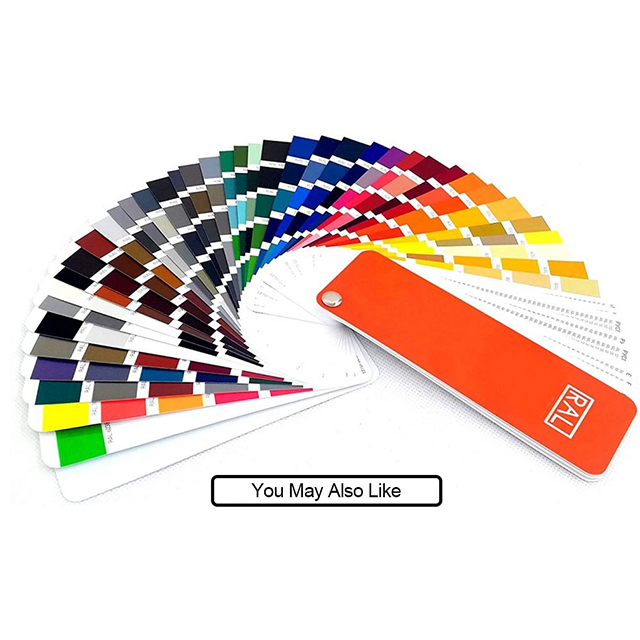
Color options are nearly limitless, including custom RAL shades, matte, glossy, or metallic finishes. This wide palette allows roofs to blend harmoniously with natural surroundings or stand out as bold architectural features. The uniform coating process ensures consistent color and gloss across large surfaces, delivering a flawless appearance.
Lightweight panels also simplify handling and installation, enabling faster project completion and reducing labor costs. Additionally, the smooth coated surface resists dirt and stains, keeping roofs clean and visually appealing with minimal maintenance.
Case Study: Visitor Center Project
A recent visitor center project highlights how color coated aluminum coil roofing meets both aesthetic and functional demands. Located in a high-visibility area exposed to harsh weather and strong UV rays, the roofing system needed to be durable, visually striking, and low maintenance.
Hanchen Metal supplied premium prepainted aluminum coils with PVDF coatings on the most exposed areas and PE coatings where environmental exposure was lower. The panels were over 1 mm thick, ensuring strength against wind and snow loads while remaining lightweight. Customized colors matched the natural environment, giving the building a modern yet harmonious look.
The roofing panels demonstrated excellent flatness and uniform thickness, allowing seamless installation. The combination of coatings provided long-term color stability and corrosion resistance, addressing client concerns about fading, maintenance, and structural safety.
This project exemplifies how color coated aluminum coils deliver reliable, attractive roofing solutions suited for challenging conditions and demanding architectural designs.
Tip: For roofing exposed to extreme weather, choose color coated aluminum coils with PVDF coatings and thickness above 1 mm to maximize durability and maintain vibrant color over time.
Applications in Facade Systems
Enhanced Building Exteriors
Color coated aluminum coil transforms building facades by offering vibrant, lasting colors and sleek finishes. Its coatings protect against UV rays, corrosion, and weathering, keeping exteriors fresh and bright for years. Architects appreciate the ability to choose from many colors and textures—matte, glossy, metallic—to match any design vision. This material’s smooth surface resists dirt and stains, reducing cleaning needs and preserving curb appeal. Buildings clad in color coated aluminum stand out with modern, attractive looks that require minimal upkeep.
Integration with Other Materials
These aluminum coils work well alongside materials like glass, stone, and composite panels. This compatibility lets designers create layered facades that blend textures and colors for richer visual effects. The coils can be cut, bent, or shaped to fit complex architectural forms without cracking the paint, allowing seamless integration into curtain walls or decorative panels. Using aluminum coils together with other facade elements enhances structural performance and aesthetic harmony. Prefabricated panels made from coated coils speed up installation and ensure consistent quality across large surfaces.
Sustainability and Environmental Benefits
Aluminum is highly recyclable, and color coated coils maintain this eco-friendly trait. At the end of a building’s life, panels can be reclaimed and reused with minimal waste. The coil coating process emits fewer volatile organic compounds (VOCs) than traditional painting, reducing environmental impact. Additionally, coated aluminum’s durability extends facade lifespan, cutting down on replacements and resource consumption. Its lightweight nature also lowers transportation and installation energy costs. These factors make color coated aluminum coil an excellent choice for green building projects aiming for sustainability certifications.
Tip: When designing facades, combine color coated aluminum coil with complementary materials like glass or stone to achieve dynamic, durable exteriors that balance aesthetics and sustainability.
Technical Specifications and Coating Types
Understanding PVDF and PE Coatings
Color coated aluminum coils mainly use two types of coatings: PVDF (Polyvinylidene Fluoride) and PE (Polyester). PVDF is prized for its superior durability. It resists fading, chalking, and weather damage over many years. This makes it ideal for exterior applications like roofing and facades exposed to harsh sunlight and rain. PVDF coatings typically have a thickness of 20 to 30 microns, providing a strong protective layer that maintains color and gloss.
PE coatings are more economical and still offer good protection. They are commonly applied in indoor or less demanding environments. PE coatings usually have a thickness around 15 to 20 microns. While they don’t last as long as PVDF under severe weather, they are suitable where cost savings matter and exposure is moderate.
Both coatings undergo a coil coating process ensuring uniform thickness and strong adhesion. This continuous factory process cleans, primes, paints, and cures the aluminum coil, resulting in consistent quality. The coatings come in a wide range of colors and finishes—matte, glossy, metallic—allowing architects to achieve desired aesthetics.
Thickness and Panel Width Considerations
Thickness plays a key role in performance. Aluminum coils for roofing and facade systems usually range from 0.5 mm to over 1.0 mm thick. Thicker coils provide enhanced strength and resistance to wind, snow, and impact. For example, roofing panels above 1 mm thickness offer better structural stability without excessive weight. Thinner coils are lighter and easier to handle but may require additional support.
Panel width also varies depending on project needs and fabrication capabilities. Standard widths range from 800 mm to 1600 mm. Wider panels reduce the number of joints, improving waterproofing and visual continuity. However, wider panels may be harder to transport and install. Custom widths can be produced to suit specific architectural designs or structural requirements.
Choosing the right combination of coating type, thickness, and panel width ensures the coated aluminum coil meets both functional and aesthetic demands. For outdoor roofing or facades, PVDF coating combined with thickness above 1 mm and wider panels is often recommended for longevity and visual impact.
Tip: Specify PVDF coatings for exterior applications requiring long-term weather resistance, and select coil thickness above 1 mm to balance strength and weight effectively.
Installation and Maintenance
Ease of Installation
Color coated aluminum coil stands out for its straightforward installation process. The material’s lightweight nature reduces handling difficulties and labor costs. Panels made from these coils can be easily cut, bent, or shaped on-site without damaging the coating, allowing installers to adapt to complex architectural designs quickly. The consistent flatness and uniform thickness of the coils ensure smooth panel alignment, minimizing gaps and joints. This precision helps achieve a tight, weatherproof fit, which is essential for roofing and facade systems.
Moreover, the coil coating process results in a smooth surface that resists scratches during handling and installation. Fastening methods such as mechanical fixing or adhesive bonding work well with these panels, providing flexibility depending on the project’s requirements. Prefabricated panels from color coated aluminum coil also speed up installation, as they arrive ready to mount, reducing on-site fabrication time.
Low Maintenance Requirements
One significant advantage of color coated aluminum coil is its minimal maintenance needs. The durable coatings, especially PVDF, protect the aluminum from corrosion, UV damage, and weathering, preserving appearance and structural integrity for years. The smooth, non-porous surface resists dirt, stains, and biological growth such as mold or algae, keeping facades and roofs cleaner longer.
Routine cleaning typically involves simple washing with mild soap and water, avoiding harsh chemicals or abrasive tools that could damage the coating. This ease of upkeep reduces long-term maintenance costs and downtime for building owners. Additionally, the corrosion resistance prevents rust-related repairs common in steel or untreated metals, enhancing lifecycle performance.
Long-Term Cost Efficiency
Though the initial investment for color coated aluminum coil may be higher than some traditional materials, its long-term cost benefits are substantial. The combination of low maintenance, high durability, and resistance to environmental factors extends the service life of roofing and facade systems significantly. Buildings clad or roofed with these panels often avoid frequent repainting, repairs, or replacements, saving money over decades.
Furthermore, the lightweight nature of aluminum reduces structural support requirements, potentially lowering construction costs. Faster installation times also translate into labor savings. When factoring in energy efficiency improvements from reflective coatings and reduced cooling loads, the overall value proposition becomes even stronger.
Example: A commercial building using PVDF-coated aluminum coil roofing reported a 30% reduction in maintenance expenses compared to traditional steel roofing over a 15-year period (example data; verify for specific cases).
Tip: For optimal installation, ensure panels are handled carefully to avoid coating damage, and use proper sealing techniques on fasteners to prevent moisture ingress and corrosion.
Comparative Advantages over Traditional Materials
Comparison with Steel and Plastic
Color coated aluminum coil offers several clear advantages over traditional materials like steel and plastic, especially in roofing and facade applications.
Weight: Aluminum is significantly lighter than steel, usually about one-third the weight. This reduces structural load, making it easier and cheaper to build supporting frameworks. Lighter panels also simplify transportation and installation, cutting labor costs and project timelines.
Corrosion Resistance: Unlike steel, aluminum naturally forms a protective oxide layer that prevents rust. When combined with high-quality coatings like PVDF, it withstands harsh weather and corrosive environments far better than steel or plastic. Steel often requires additional treatments or frequent maintenance to avoid corrosion, while plastic can degrade under UV exposure.
Durability: Aluminum’s strength-to-weight ratio is excellent. It resists dents and impacts better than many plastics, which can crack or warp over time. Steel is strong but prone to corrosion unless properly coated. Aluminum coated with PVDF maintains color and gloss for decades, outperforming many steel paints and plastic finishes.
Aesthetic Versatility: Aluminum coils come in a vast range of colors, finishes, and textures, including matte, glossy, and metallic effects. This variety surpasses most plastics and steel coatings, allowing architects to achieve precise design visions. The coil coating process ensures consistent color uniformity and smooth surfaces, unlike post-painted steel which may show overspray or unevenness.
Sustainability: Aluminum is 100% recyclable without quality loss, making it an eco-friendly option. The coil coating process emits fewer volatile organic compounds (VOCs) than traditional painting methods used on steel or plastic. Plastic materials often have lower recyclability and higher environmental impact.
Maintenance: Aluminum panels require minimal upkeep. Their smooth, coated surfaces resist dirt, stains, and biological growth. Steel often needs regular repainting or rust treatment. Plastic can discolor or degrade, increasing replacement frequency.
Why Choose Aluminum Coil?
Choosing color coated aluminum coil means investing in a material that balances strength, beauty, and longevity. Its lightweight nature reduces structural costs and installation effort. Superior corrosion resistance ensures long-term performance, especially in challenging climates. The broad palette and finish options give creative freedom for modern architectural designs. Plus, aluminum’s recyclability supports sustainability goals.
For projects aiming to minimize maintenance and maximize lifespan, aluminum coil is a smart choice. It consistently outperforms steel and plastic in durability and aesthetics while offering cost savings over time. Whether for roofing or facade systems, this material delivers reliable protection and visual appeal.
Tip: When comparing materials, consider total lifecycle costs—color coated aluminum coil often saves money long-term through lower maintenance, faster installation, and longer service life.
Conclusion
Color coated aluminum coil is ideal for roofing and facade systems due to its durability, lightweight nature, and aesthetic versatility. It offers superior corrosion resistance and minimal maintenance, making it a cost-effective choice over time. As architectural trends evolve, the demand for sustainable and visually appealing materials like aluminum coil is expected to grow. Yuqi Metal provides high-quality aluminum coils, ensuring long-lasting protection and beauty for diverse construction projects, emphasizing both functionality and design.
FAQ
Q: What is an Aluminum Coil used for in building systems?
A: Aluminum Coil is used in roofing and facade systems for its durability, lightweight nature, and aesthetic versatility, providing protection and design flexibility.
Q: Why choose color coated Aluminum Coil over steel for roofing?
A: Aluminum Coil is lighter, more corrosion-resistant, and offers a wider range of colors and finishes than steel, making it ideal for roofing.
Q: How do PVDF and PE coatings differ in Aluminum Coil applications?
A: PVDF coatings offer superior durability for exterior use, while PE coatings are more economical and suitable for indoor applications.


