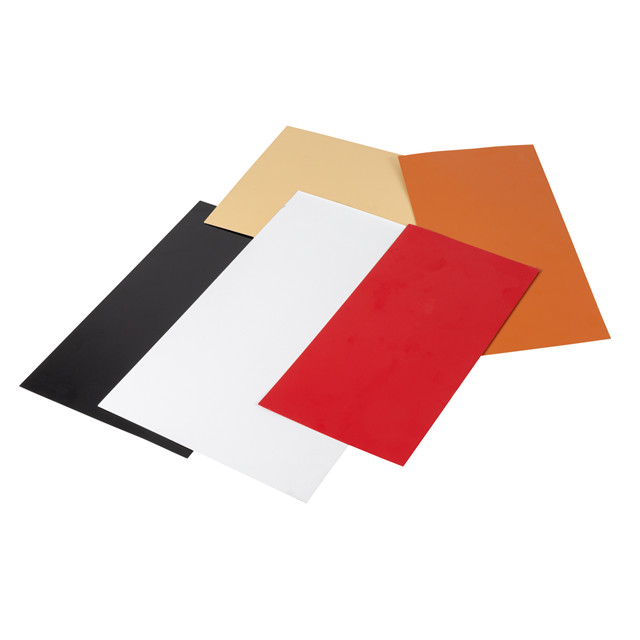
Why are color coated aluminum coils crucial in modern construction and manufacturing? These versatile materials offer aesthetic appeal and functional benefits. In this post, you'll learn about their definition, importance, and applications. We'll also explore different coating types—PE, PVDF, and HDP—and their unique advantages. Discover how these coatings enhance durability and performance in various environments.
Understanding PE Coating for Aluminum Coil
Polyester (PE) coating is a popular choice for aluminum coils due to its cost-effectiveness and versatility. It consists mainly of polyester resin, which forms a smooth, glossy finish on the aluminum coil roll. This coating provides a basic level of protection against UV rays, weather, and corrosion, making it suitable for many applications where moderate durability is sufficient.
Composition and Properties
PE coatings are made from polyester resin combined with pigments, solvents, and additives to improve adhesion and surface quality. This coating offers good flexibility and impact resistance, which helps during fabrication processes like bending and rolling. The color options for PE coatings are broad, including glossy, matte, and metallic finishes, allowing for attractive painted aluminum coil products. However, PE’s UV resistance is moderate, and prolonged exposure to sunlight may cause fading or chalking over time.
Advantages and Limitations
The main advantage of PE coating is its affordability. It is less expensive than PVDF or HDP coatings, making it a preferred option for budget-conscious projects. PE coated aluminum coil stock is easy to process and offers decent corrosion resistance in mild environments. However, it has limitations in harsh conditions due to its lower weather and chemical resistance. This makes it less ideal for long-term outdoor use in areas with intense UV exposure or industrial pollution.
Typical Applications and Use Cases
PE coatings are widely used in applications where cost and aesthetics are important but extreme durability is not critical. Common uses include:
Interior decorative panels and ceilings
Light roofing and siding aluminum trim
Signboards and display platforms
Warehouse and logistics facilities
PVC coated aluminum trim coil and fascia in less demanding environments
For projects requiring frequent processing or forming, PE coating’s flexibility is beneficial. However, if the aluminum coil for sale is intended for more exposed or corrosive environments, higher-grade coatings like PVDF or HDP might be better choices.
Tip: When selecting PE coated aluminum coil, consider the environment and expected lifespan to balance cost and performance effectively.
_副本")
Exploring PVDF Coating for Aluminum Coil
Polyvinylidene fluoride (PVDF) coating is widely recognized as a premium choice for aluminum coils, especially where long-lasting durability and superior weather resistance are essential. This coating blends fluoropolymer resin with acrylic compounds, creating a robust surface that protects the aluminum coil roll in demanding environments.
Chemical Composition and Benefits
PVDF coatings consist of approximately 70% fluorocarbon resin and 30% acrylic resin. This combination offers a balanced mix of hardness and flexibility, making the coating both durable and resistant to cracking. The fluorocarbon resin provides outstanding UV resistance, chemical inertness, and weatherability. Additives like pigments and solvents enhance color retention and surface smoothness, resulting in a painted aluminum coil that maintains its aesthetic appeal over time.
Durability and Weather Resistance
PVDF coated aluminum coils are known for their exceptional lifespan, often exceeding 20 years in outdoor applications. They resist fading, chalking, and corrosion much better than PE coatings. This durability makes them ideal for harsh environments, including coastal areas with high salt exposure, industrial zones with chemical pollutants, and regions with intense sunlight. The coating's excellent adhesion prevents peeling, even under extreme temperature variations, ensuring the aluminum coil fascia and siding retain their integrity.
| Feature | PVDF Coating |
| UV Resistance | Excellent |
| Chemical Resistance | High |
| Weather Resistance | Superior |
| Color Retention | Outstanding |
| Typical Lifespan | 20+ years |
| Flexibility | Moderate |
| Cost | Higher compared to PE and HDP |
Common Applications in Harsh Environments
Because of its superior protective qualities, PVDF coated aluminum coil is a top choice for high-end architectural projects, including curtain walls, roofing systems, and exterior cladding. It is also commonly used in industrial plants, power stations, and transportation facilities that require durable, weather-resistant materials. Suppliers of coated aluminum coil often recommend PVDF for projects where aluminum coil price is justified by the extended service life and reduced maintenance costs.
Additionally, PVDF coatings are favored for aluminum coil siding and aluminum coil fascia in coastal and polluted urban areas. Their chemical resistance helps prevent degradation from salt spray and industrial emissions. The smooth, glossy finish of PVDF coated aluminum also supports aesthetic demands for premium building facades and decorative trim coils.
Tip: When selecting aluminum coil for sale in environments with harsh weather or chemical exposure, prioritize PVDF coatings for their unmatched durability and long-term cost savings.
HDP Coating: A High-Performance Option
High Durability Polyester (HDP) coating stands out as a robust choice for aluminum coil applications needing a balance between flexibility, durability, and cost. It is an enhanced version of the standard PE coating, offering improved resistance to weathering and corrosion while maintaining good formability.
Characteristics and Benefits
HDP coatings are formulated by modifying traditional polyester resins to increase their molecular density and weather resistance. This results in a coating that resists fading, chalking, and corrosion better than PE coatings. HDP typically achieves a coating thickness between 16 to 35 microns, providing a strong protective layer on the aluminum coil roll.
Key benefits include:
Improved UV and weather resistance: HDP withstands prolonged sun exposure and harsh climates better than PE.
Excellent corrosion resistance: Suitable for environments with moderate chemical exposure.
Good flexibility: It supports bending and forming processes, making it ideal for siding aluminum trim and aluminum coil fascia applications.
Cost-effective: Offers a middle ground between the affordability of PE and the premium price of PVDF coatings.
Enhanced color retention: HDP coatings maintain vibrant colors longer, reducing maintenance needs for painted aluminum coil products.
Comparative Analysis with PE and PVDF
| Feature | PE Coating | HDP Coating | PVDF Coating |
| Durability | Moderate (5-10 years) | High (10-15 years) | Superior (20+ years) |
| UV Resistance | Moderate | High | Excellent |
| Flexibility | Excellent | Good | Moderate |
| Chemical Resistance | Good | Excellent | Excellent |
| Cost | Low | Medium | High |
| Typical Applications | Interior, mild exteriors | Exterior siding, roofing | Harsh environments, high-end architecture |
HDP bridges the gap between PE and PVDF coatings. It offers better longevity and environmental resistance than PE while being more affordable and flexible than PVDF. This makes HDP an excellent choice for projects where both durability and formability are required without the high aluminum coil price tag of PVDF.
Industrial and Marine Applications
HDP coated aluminum coils are widely used in industrial and marine settings where corrosion and weather resistance are critical, but extreme chemical resistance of PVDF is not mandatory. Common applications include:
Siding aluminum trim and aluminum coil fascia for coastal buildings
Roofing sheets in moderate to harsh climates
Industrial plants and warehouses requiring durable yet flexible materials
PVC coated aluminum trim coil and siding aluminum trim in environments with moderate pollution
Its balance of toughness and flexibility makes HDP coatings suitable for aluminum coil suppliers serving construction and manufacturing sectors focused on longevity and cost-efficiency.
Tip: For projects demanding good weather resistance and flexibility without the premium cost of PVDF, choose HDP coated aluminum coil to achieve long-lasting performance and easier fabrication.
Comparative Analysis of Coating Types
Durability and Lifespan
When selecting a coated aluminum coil, understanding the durability and lifespan of PE, PVDF, and HDP coatings is essential. PE coatings typically offer a service life of 5 to 10 years under moderate environmental conditions. They provide basic protection but may fade or chalk with prolonged UV exposure. HDP coatings improve on this, lasting around 10 to 15 years, thanks to enhanced UV and corrosion resistance. PVDF coatings lead the field with lifespans exceeding 20 years, maintaining color and gloss even in harsh climates like coastal or industrial areas. This makes PVDF ideal for high-end aluminum coil siding and fascia where longevity is critical.
Cost-Effectiveness
Cost is a major factor influencing the choice of aluminum coil coatings. PE coatings are the most budget-friendly, making them suitable for projects where aluminum coil price constraints are tight. HDP coatings offer a balance between cost and performance, providing better durability than PE at a moderate price point. PVDF coatings, while the most expensive, deliver superior long-term value by reducing maintenance and replacement costs. For coated aluminum coil buyers, weighing initial investment against expected lifespan helps optimize project budgets.
Environmental and Chemical Resistance
Environmental resistance varies significantly among these coatings. PE coatings provide moderate resistance to UV rays, moisture, and mild chemicals, suitable for indoor or less aggressive outdoor environments. HDP coatings enhance this resistance, offering excellent protection against corrosion, UV degradation, and acid rain, making them a good choice for industrial and coastal applications. PVDF coatings excel with outstanding chemical inertness, resisting acids, alkalis, salt spray, and pollutants. This makes PVDF coated aluminum coil stock the preferred option for demanding settings like power plants, marine structures, and polluted urban areas.
Summary Table
| Feature | PE Coating | HDP Coating | PVDF Coating |
| Typical Lifespan | 5–10 years | 10–15 years | 20+ years |
| Initial Cost | Low | Medium | High |
| UV Resistance | Moderate | High | Excellent |
| Chemical Resistance | Moderate | Excellent | Superior |
| Weather Resistance | Basic | Strong | Outstanding |
| Maintenance Frequency | Higher | Moderate | Low |
| Ideal Applications | Interior, mild exteriors | Coastal, industrial | Harsh environments |
Tip: For projects balancing budget and durability, consider HDP coated aluminum coil as a cost-effective middle ground; opt for PVDF when long-term performance and environmental resistance are paramount.
Choosing the Right Coating for Your Project
Selecting the appropriate coating for your aluminum coil project is crucial. The choice impacts durability, cost, aesthetics, and suitability for the environment. Here, we explore key factors to consider, real-world examples, and expert advice to guide you.
Factors to Consider: Budget, Environment, Aesthetics
Budget: Aluminum coil price varies significantly among PE, HDP, and PVDF coatings. PE offers the most affordable option, ideal for projects with tight budgets or shorter lifespans. HDP balances cost and performance, while PVDF is premium-priced but delivers superior longevity and resistance.
Environment: The exposure conditions heavily influence coating choice. For indoor or mild environments, PE or HDP coated aluminum coil stock suffices. Coastal, industrial, or high UV areas demand PVDF coating due to its excellent chemical and weather resistance. HDP suits moderately harsh settings, such as urban or marine-adjacent locations.
Aesthetics: If vibrant, long-lasting color is a priority, PVDF coatings maintain gloss and color retention over decades. PE coatings provide a wide color range but fade faster outdoors. HDP coatings offer improved color retention compared to PE and good surface finish for siding aluminum trim or aluminum coil fascia.
Case Studies and Examples
Commercial Warehouse Roofing: A project with budget constraints chose PE coated aluminum coil. The cost savings were significant, and the coating met the moderate durability requirements for the warehouse environment.
Coastal Resort Facade: The resort selected PVDF coated aluminum coil siding to withstand salt spray and intense sunlight. The long-term color stability and corrosion resistance reduced maintenance costs.
Industrial Plant Cladding: HDP coated aluminum coil was used for cladding in a moderately polluted area. It provided a durable, cost-effective solution with good flexibility for fabrication and better resistance than PE.
Expert Recommendations
For projects requiring extensive forming or bending, PE coated aluminum coil roll is preferred due to its superior flexibility.
When long-term outdoor performance and minimal maintenance are critical, investing in PVDF coated aluminum coil fascia or siding is wise.
HDP coating is an excellent compromise for projects needing enhanced durability without the high aluminum coil price of PVDF.
Always consider the supplier’s quality certifications and coating brands, such as Akzo Nobel or Nippon, which can affect coating performance.
For PVC coated aluminum trim coil or pvc coated coil stock, ensure the coating compatibility with PVC to avoid adhesion issues.
Tip: Evaluate your project's environment and budget carefully to select a coating that balances cost, durability, and aesthetics for optimal aluminum coil performance.
Conclusion
The article compares PE, PVDF, and HDP coatings for aluminum coils, highlighting their durability, cost, and environmental resistance. PE is affordable with moderate durability, while PVDF offers superior longevity and resistance. HDP balances cost and performance. When choosing coatings, consider budget, environment, and aesthetics. Yuqi Metal provides high-quality, coated aluminum products with exceptional value, ensuring long-lasting performance. Future trends may focus on enhancing coating technologies for better environmental resistance and durability, benefiting industries requiring robust materials.
FAQ
Q: What is the difference between PE and PVDF coatings on aluminum coil?
A: PE coatings are more affordable and offer moderate weather resistance, suitable for indoor applications. PVDF coatings are premium, providing excellent UV and chemical resistance, ideal for harsh environments. Both are used in painted aluminum coil, but PVDF offers superior longevity.
Q: How does HDP coating improve the durability of aluminum coil?
A: HDP coating enhances the weather and UV resistance of aluminum coil compared to PE. It offers better color retention and corrosion resistance, making it suitable for siding aluminum trim and aluminum coil fascia in moderate climates.
Q: Why is PVDF coating recommended for coastal aluminum coil applications?
A: PVDF coating is recommended for coastal aluminum coil due to its superior chemical resistance to salt spray and pollutants. It maintains color and gloss over time, reducing maintenance for aluminum coil siding and fascia.
Q: Are PE coated aluminum coils cost-effective for indoor use?
A: Yes, PE coated aluminum coils are cost-effective for indoor use. They provide a wide range of color options and flexibility, making them ideal for interior decorative panels and pvc coated aluminum trim coil applications.
Q: How do aluminum coil suppliers determine coil stock prices?
A: Aluminum coil stock prices are determined by factors like coating type, thickness, quality, and market demand. PE coatings are generally cheaper, while PVDF coatings are priced higher due to their durability and resistance properties.


