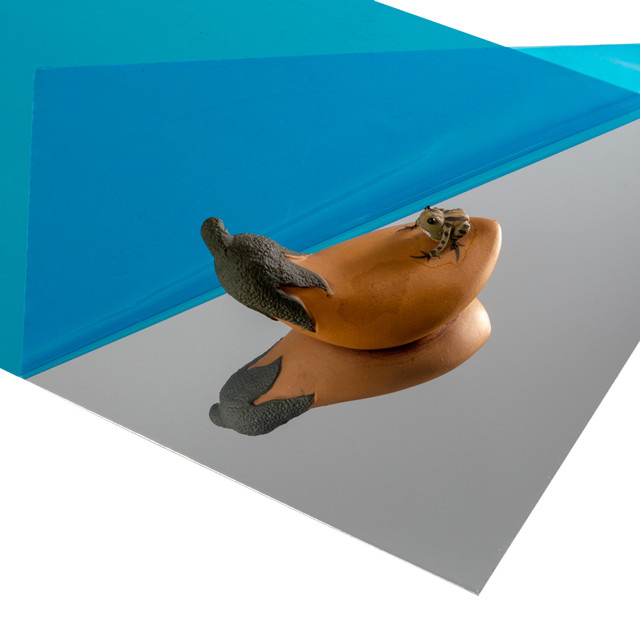
Imagine transforming raw aluminum into a highly reflective masterpiece. This is the magic of mirror aluminum coil. But what makes this material so special? Its unparalleled reflectivity enhances aesthetics and functionality across industries. In this post, you'll learn what mirror aluminum coil is, its importance in various applications, and an overview of its production process. Join us as we explore the world of mirror aluminum coils and their transformative impact.
Manufacturing Process of Mirror Aluminum Coil
Producing a mirror aluminum coil involves a precise aluminum coil manufacturing process that transforms raw aluminum into a highly reflective, smooth, and durable product. This process includes selecting the right alloy, rolling and polishing the coil, applying surface treatments, and performing strict quality control. Let’s break down each step.
Selection of Aluminum Alloy
The first step in how to make mirror aluminum coil is choosing the appropriate aluminum alloy. Common alloys include the 1000 series (such as 1050, 1060, 1070, and 1085) known for high purity and excellent corrosion resistance. These alloys provide a bright, smooth surface ideal for mirror finishing. For applications requiring higher strength and corrosion resistance, 3000 and 5000 series alloys (like 3003 and 5052) are also used.
Choosing the right alloy affects the coil’s reflectivity, durability, and workability. For example, 1060 and 1100 alloys offer excellent reflectivity and are widely used for decorative and architectural purposes.
Rolling and Polishing Techniques
After alloy selection, the aluminum undergoes rolling to achieve the desired thickness and surface smoothness. Rolling can be hot or cold, with cold rolling preferred for mirror finish due to its ability to produce a finer surface texture.
Next, the coil is subjected to polishing, a critical step to achieve the mirror finish aluminum coil’s signature reflectivity. Polishing involves mechanical grinding and buffing, using progressively finer abrasives to remove surface imperfections and create a smooth, reflective surface. This stage demands careful control to avoid scratches or unevenness.
Surface Treatment Methods
Once polished, the aluminum coil receives surface treatments to enhance durability and maintain its mirror finish. Common treatments include:
Anodizing: This electrochemical process forms a protective oxide layer, improving corrosion resistance and allowing for color coatings.
Painting or Color Coating: Applying a painted aluminum coil finish adds aesthetic options and additional protection.
Protective Film Application: A transparent film is often applied to prevent scratches during handling and transportation.
These treatments ensure the coil withstands environmental factors while preserving its high reflectivity.
Quality Control and Inspection
Quality assurance is vital in the aluminum coil manufacturing process. Each coil undergoes rigorous inspection, including:
Surface smoothness and defect checks to ensure no scratches or dents.
Reflectivity tests, confirming the mirror finish meets the required standards (often 80% to 95% reflectivity).
Thickness and dimensional accuracy measurements.
Mechanical property tests to verify tensile strength and hardness.
Only coils passing all quality parameters are approved for sale. This attention to detail guarantees consistent performance in mirror aluminum coil applications.
Note: Partnering with experienced aluminum coil suppliers ensures access to high-quality products that meet precise specifications for your project needs.
Types of Mirror Aluminum Coils
Mirror aluminum coils come in several types, each tailored for specific aluminum coil applications and performance needs. Understanding these types helps in selecting the right coil for your project, whether you seek aesthetic appeal, durability, or specialized functionality.
Ordinary Mirror Aluminum Coil
The ordinary mirror aluminum coil features a smooth, highly reflective surface similar to a household mirror. It is typically made from the 1050 alloy, prized for its excellent reflectivity and cost-effectiveness. This type offers a basic mirror finish with reflectivity around 80% to 86%, making it suitable for general decorative applications, interior design elements, and signage.
Key features include:
Simple, polished surface without additional coatings
Cost-efficient choice for standard mirror finish needs
Widely used in architectural interiors and light reflector panels
Chrome-Plated Mirror Aluminum Coil
Chrome-plated mirror aluminum coils take ordinary mirror coils a step further by applying a thin chrome layer to the surface. This enhances both reflectivity and durability, often achieving reflectivity above 90%. The chrome plating also offers better resistance to wear and corrosion, making these coils ideal for demanding environments.
Common applications include:
Automotive trim and decorative parts
High-end architectural accents
Durable reflective surfaces requiring long-lasting shine
The 1050 alloy remains popular here due to its excellent polishability and compatibility with chrome plating.
Color Coated Mirror Aluminum Coil
The color coated mirror aluminum coil combines a mirror finish with a colored topcoat, offering both reflectivity and aesthetic customization. This type allows a variety of colors—such as gold, green, purple, and black—to be applied over the mirror finish, expanding design possibilities.
Typical features:
Reflectivity generally ranges from 80% to 88%, depending on color and coating thickness
Available in solid and metallic shades like titanium gold and copper
Used in architectural facades, decorative panels, and branded signage
Alloys like 3003 and 5052 are often chosen for their strength and corrosion resistance, supporting outdoor and industrial applications.
Tip: When selecting a mirror aluminum coil type, consider your project's reflectivity needs, environmental exposure, and budget to ensure optimal performance and longevity.
Applications of Mirror Aluminum Coil
Mirror aluminum coil is a versatile material widely used across different industries due to its high reflectivity, durability, and lightweight nature. Understanding the best applications of this product helps in choosing the right aluminum coil for your project needs.
Architectural Design and Construction
In architecture, mirror finish aluminum coils are popular for enhancing building aesthetics. Their highly reflective surface creates visually striking facades, ceiling panels, and decorative wall claddings. These coils contribute to modern building designs by reflecting natural light, which brightens spaces and reduces the need for artificial lighting.
Used for exterior curtain walls and interior decorative panels
Ideal for elevator claddings, ceiling tiles, and moldings
Enhances light efficiency and adds a luxurious appearance
The corrosion resistance and weather durability of anodized or painted aluminum coils make them suitable for long-lasting outdoor use. Moreover, the lightweight nature simplifies installation and reduces structural loads.
Automotive Industry Applications
Mirror aluminum coils are extensively used in the automotive sector for both functional and decorative purposes. Their reflective finish enhances interior trims, dashboards, and exterior decorative parts.
Used in mirror bright trims, door linings, and body panels
Offers corrosion resistance against environmental exposure
Lightweight properties improve vehicle fuel efficiency
Additionally, the aluminum coil manufacturing process allows customization in thickness and temper, meeting specific automotive standards. Some automotive components also benefit from anodized or painted aluminum coils for added durability and design flexibility.
Electronics and Household Goods
In electronics, mirror aluminum coils serve as casings and internal reflective components due to their excellent electrical conductivity and heat dissipation.
Used in housings for audiovisual equipment and computer enclosures
Reflective internal parts improve lighting efficiency in devices
Common in household appliances like kitchen utensils and cookware covers
The smooth, mirror finish aluminum coil surface also adds to the product's aesthetic appeal, making it a preferred choice for visible consumer goods. Protective coatings help maintain the shine and prevent surface damage during regular use.
Solar Energy Systems
Mirror aluminum coils play a crucial role in solar energy applications, particularly in solar heat collectors and reflective panels.
Used as reflective surfaces in solar thermal systems
Enhances light concentration and energy absorption efficiency
Corrosion-resistant alloys like 5052 ensure longevity in outdoor conditions
The high reflectivity of mirror finish aluminum coils improves the performance of solar panels by redirecting sunlight effectively. Their lightweight and durable nature also supports easier installation and maintenance in solar farms.
Tip: When selecting mirror aluminum coil for your application, consider the environmental exposure and required reflectivity to ensure optimal performance and longevity.
Benefits of Using Mirror Aluminum Coil
Mirror aluminum coil offers numerous advantages that make it a preferred choice across various industries. Its unique combination of physical and aesthetic properties ensures it meets both functional and decorative needs effectively.
High Reflectivity for Enhanced Aesthetics
One of the standout benefits of mirror finish aluminum coil is its exceptional reflectivity, often ranging from 80% to 95%. This high reflectivity creates a bright, polished surface that enhances the visual appeal of any product or structure. Whether used in architectural facades, automotive trims, or decorative panels, the mirror aluminum coil adds a luxurious and modern look. The reflective surface also improves lighting efficiency in applications like lighting fixtures and solar energy systems by bouncing light effectively.
Corrosion Resistance and Durability
Thanks to the natural oxide layer formed on aluminum and additional treatments like anodizing, mirror aluminum coils boast excellent corrosion resistance. This durability makes them suitable for both indoor and outdoor applications, including building curtain walls, automotive parts, and marine environments. The surface treatments protect the coil from rust, wear, and environmental damage, extending its lifespan and maintaining its mirror finish over time.
Lightweight and Easy Fabrication
Aluminum coil roll is notably lightweight compared to other metals like stainless steel or copper. This characteristic simplifies handling, transportation, and installation, reducing labor and structural support costs. Moreover, mirror aluminum coils are highly workable—they can be cut, bent, stamped, or welded with ease without compromising the surface quality. This flexibility enables manufacturers and fabricators to create complex shapes and designs efficiently.
Cost-Effectiveness Compared to Other Materials
When evaluating material costs and lifecycle expenses, mirror aluminum coil stands out as a cost-effective solution. It offers a competitive price point relative to other reflective materials such as polished stainless steel. Additionally, its corrosion resistance reduces maintenance costs over time. The availability of various alloys like 1050, 1060, 3003, and 5052 allows buyers to select options that balance performance and budget. For those shopping for aluminum coil for sale, sourcing from reputable aluminum coil suppliers and distributors ensures quality and competitive aluminum coil stock prices.
Tip: To maximize the benefits of mirror aluminum coil, consider specifying surface treatments like anodizing or painting, which enhance durability and maintain the mirror finish in harsh environments.

Choosing the Right Mirror Aluminum Coil for Your Needs
Selecting the ideal mirror aluminum coil involves careful consideration of several factors to ensure it fits your specific project requirements. From the environment where it will be used to performance criteria and budget constraints, making the right choice can optimize both cost and functionality.
Considerations Based on Application Environment
The environment plays a crucial role in determining the suitable type of mirror aluminum coil. For outdoor applications, such as building curtain walls or solar energy systems, corrosion resistance and durability are paramount. Alloys like 5052 or 3003, combined with surface treatments such as aluminum coil anodizing or high-quality coatings, offer enhanced protection against weather and UV exposure.
Indoor environments, on the other hand, often allow for a wider range of options. For decorative uses or electronics casings, alloys from the 1000 series like 1060 or 1100 provide excellent reflectivity and are easier to fabricate. In humid or industrial indoor settings, anodized or painted aluminum coil finishes can improve longevity and maintain the mirror finish.
Performance Requirements and Specifications
Performance needs vary depending on the application. Key specifications to consider include:
Reflectivity: Applications requiring maximum light reflection, like solar panels or lighting fixtures, benefit from mirror aluminum coils with reflectivity above 90%. For general decorative use, reflectivity between 80% and 86% is often sufficient.
Thickness and Temper: The thickness of the aluminum coil roll affects strength and flexibility. Thinner coils (0.1mm to 0.5mm) are ideal for lightweight designs, while thicker coils provide structural support. Temper (e.g., H14, H16) influences hardness and workability.
Surface Finish: The choice between ordinary mirror, chrome-plated, or color-coated mirror aluminum coils depends on aesthetic and durability requirements.
Budget and Cost Analysis
Budget constraints often guide material selection. Pure aluminum alloys like 1050 or 1060 are generally more cost-effective, making them popular for large-scale projects and decorative applications. However, higher-performance alloys and specialized coatings may increase upfront costs but reduce maintenance expenses over time.
When sourcing, consider aluminum coil stock prices and compare offers from reliable aluminum coil suppliers and aluminum coil distributors. Buying from reputable suppliers ensures product quality and consistent specifications, which can prevent costly project delays or failures.
Tip: Evaluate your project's environmental conditions and performance demands first, then balance these with budget considerations to select the mirror aluminum coil that offers the best value and longevity.
Maintenance and Care for Mirror Aluminum Coils
Proper maintenance and care are essential to preserve the high reflectivity and durability of mirror aluminum coils. Since their surface is highly polished, they can be vulnerable to damage if not handled correctly. Here’s how to keep your mirror finish aluminum coil in top condition.
Preventing Surface Damage
The mirror finish aluminum coil surface is delicate and prone to scratches, dents, or abrasions. To prevent surface damage:
Always handle coils with clean gloves to avoid fingerprints and oils.
Use protective films during storage and transportation.
Store coils in a dry, dust-free environment, away from sharp objects.
Avoid stacking coils directly on one another without padding.
Use soft, non-abrasive materials when moving or supporting the coil.
These precautions help maintain the mirror-like appearance and prevent costly surface repairs.
Cleaning and Maintenance Tips
Regular cleaning keeps the aluminum coil looking bright and reflective. Follow these guidelines:
Use a soft cloth or sponge with mild soap and water to clean the surface.
Avoid harsh chemicals or abrasive cleaners that can dull or scratch the finish.
Rinse thoroughly with clean water and dry with a soft, lint-free cloth.
For stubborn dirt or stains, use a specialized aluminum cleaner recommended by your supplier.
Periodic inspection for any signs of oxidation or corrosion helps catch issues early.
Routine cleaning extends the lifespan of the mirror aluminum coil and preserves its aesthetic appeal.
Handling High-Temperature Environments
High temperatures can affect mirror aluminum coils by causing discoloration or deformation. To protect your coil:
Avoid direct exposure to extreme heat sources.
If used in high-temperature settings, select alloys and surface treatments rated for heat resistance, such as anodized finishes.
Provide adequate ventilation to dissipate heat.
Use awnings or shading when installing mirror aluminum panels outdoors in hot climates to prevent thermal damage.
Monitor temperature fluctuations and allow for thermal expansion during installation.
Proper handling in these environments ensures the coil maintains its structural integrity and mirror finish.
Tip: Always store mirror aluminum coils in a cool, dry place with protective coverings to prevent scratches and maintain reflectivity during storage and handling.
Conclusion
The article explores the manufacturing process and applications of mirror aluminum coils, highlighting their high reflectivity, corrosion resistance, and lightweight nature. These coils are ideal for architectural, automotive, and solar applications. Future trends in mirror aluminum coil technology may focus on enhancing durability and customization options. Yuqi Metal offers high-quality mirror aluminum coils, providing exceptional value with their advanced manufacturing techniques and customer-focused services.
FAQ
Q: What is the aluminum coil manufacturing process for creating a mirror finish?
A: The aluminum coil manufacturing process for a mirror finish involves selecting the right alloy, rolling and polishing the coil, applying surface treatments like anodizing or painting, and performing rigorous quality control to ensure high reflectivity and durability.
Q: How to make mirror aluminum coil suitable for outdoor applications?
A: To make mirror aluminum coil suitable for outdoor applications, select corrosion-resistant alloys like 5052, apply anodizing or painted finishes for added protection, and ensure thorough quality checks for durability against environmental exposure.
Q: What are the best uses for mirror aluminum coil in construction?
A: The best uses for mirror aluminum coil in construction include architectural facades, ceiling panels, decorative wall claddings, and elevator claddings, where its high reflectivity enhances aesthetics and light efficiency.
Q: How do aluminum coil suppliers ensure quality in mirror finish coils?
A: Aluminum coil suppliers ensure quality in mirror finish coils by conducting rigorous inspections for surface smoothness, reflectivity, thickness accuracy, and mechanical properties, ensuring only high-standard products are available for sale.
Q: What factors affect aluminum coil stock prices for mirror finishes?
A: Aluminum coil stock prices for mirror finishes are affected by alloy type, surface treatments, coil thickness, demand, and supplier reputation. Prices can vary based on these factors and market conditions.


