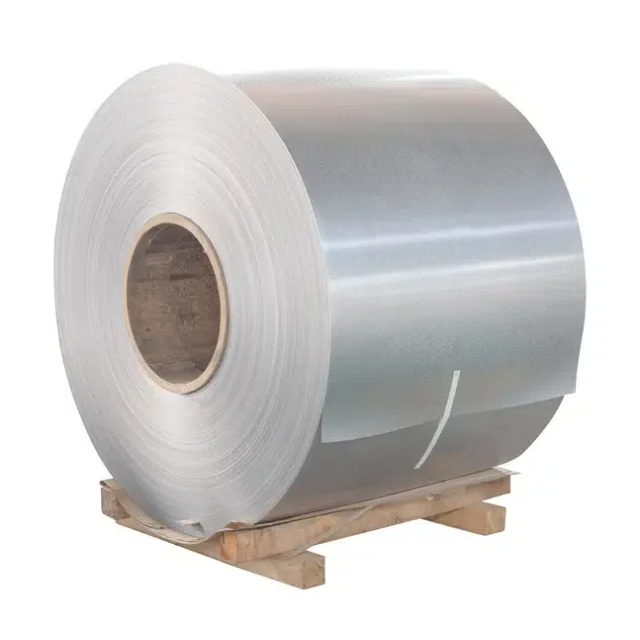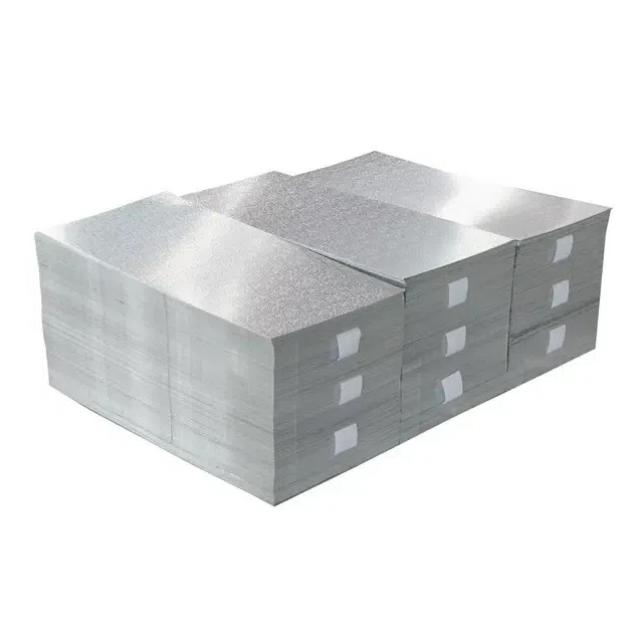
With growing demand for energy-efficient and cost-effective thermal insulation solutions, more customers have begun asking whether stucco embossed aluminum coil can be used in insulation systems. At first glance, it might seem like just a decorative metal finish, but its unique properties offer more than just visual appeal. The real question is not whether it can be used—but how to use it effectively.
In this article, Yuqi Metal explains the function of stucco embossed aluminum in thermal insulation projects, its advantages, and the practical design considerations to ensure optimal performance when integrated with insulation materials.
How Surface Texture Affects Insulation Performance
When thinking about insulation, most people focus on materials like mineral wool, polyurethane foam, or extruded polystyrene (XPS). However, surface finishes like embossing play an indirect yet important role in the efficiency and durability of insulation systems.
Increased Surface Area for Better Thermal Radiation Management
The embossed pattern on the aluminum coil increases the material’s total surface area. While this doesn’t directly insulate, it improves the emissivity—that is, its ability to reflect or disperse heat. This property is particularly useful in environments where managing radiant heat transfer is critical, such as roofing or duct systems exposed to sunlight or fluctuating temperatures.
Acts as a Protective Jacket, Not the Core Insulation
It’s important to clarify that stucco embossed aluminum coil is not an insulation material itself. Instead, it serves as a protective and reflective outer layer that covers core insulation materials like XPS, PIR foam, rock wool, or glass wool. It protects the insulation layer while enhancing its performance by reflecting heat, repelling moisture, and offering UV resistance.
So, while embossed aluminum doesn’t provide insulation on its own, it becomes an essential part of composite insulation panels or wrapped systems, delivering both thermal efficiency and mechanical durability.
Common Applications of Embossed Aluminum Coil in Insulated Systems
Thanks to its lightweight structure, corrosion resistance, and flexibility, stucco embossed aluminum coil is widely used in heat insulation applications across multiple industries. Below are some of the most common uses:
Pipe Cladding in Cold Storage and HVAC Systems
One of the most prevalent applications is as outer cladding for pipes in refrigeration systems, air conditioning networks, and cold storage facilities. The embossed finish adds an extra layer of protection against condensation and corrosion, while the aluminum helps reflect heat and stabilize temperatures inside the pipe system.
Protective Surface Layer for Insulation Panels
In ductwork insulation and modular insulation panels, the aluminum coil is laminated onto a core material like XPS or PIR. The resulting composite panel is durable, easy to install, and highly effective for both residential and industrial uses. The aluminum surface also allows for easy cleaning and maintenance.
Reflective Membranes for Roofs and Facades
In roof insulation systems, especially in hot climates, the aluminum layer acts as a solar reflective barrier, reducing heat gain and improving indoor comfort. On building facades, it enhances weather resistance while supporting architectural aesthetics.
In all these cases, the aluminum coil serves as an outer skin—resistant to mechanical damage, waterproof, and capable of deflecting thermal radiation—making it a practical partner to internal insulating materials.

Benefits of Using Stucco Embossed Aluminum in Heat Insulation Projects
Choosing stucco embossed aluminum coil for insulation cladding is not just about functionality—it also brings a wide range of benefits that improve project lifespan, safety, and appearance.
1. Waterproof and Corrosion Resistant
Aluminum naturally forms an oxide layer that resists corrosion. The embossed version adds surface strength and improves resistance against harsh environmental conditions such as rain, snow, humidity, and chemical exposure. This makes it ideal for outdoor applications and cold rooms, where moisture can severely damage unprotected insulation materials.
2. UV Protection and Weather Endurance
Unlike organic coatings or synthetic wraps that degrade under UV exposure, aluminum maintains its structural integrity for years. When used on rooftops or walls, the embossed aluminum serves as a UV-stable shield, helping preserve the performance of the underlying insulation.
3. Improved Mechanical Strength
Embossed patterns reinforce the surface, making it more rigid and impact-resistant. This helps prevent dents or tears during transportation and installation, reducing material waste and repair costs.
4. Aesthetic Appeal and Customization
The textured appearance of stucco embossed aluminum offers a more refined and clean finish than plain aluminum or foil. For visible installations—such as ducts in commercial buildings—it creates a professional and modern look. Moreover, the surface can be printed or labeled, making it useful for marking safety zones, flow directions, or company branding.
By integrating both functional and visual advantages, embossed aluminum coil becomes a smart choice for enhancing the effectiveness of any heat insulation system.
What to Consider Before Using Embossed Aluminum in Insulation Systems
While stucco embossed aluminum coil is compatible with many insulation applications, a few technical considerations must be addressed to ensure the best results:
1. Compatibility with Insulation Core
Before choosing an aluminum cladding, verify that it can bond properly with your insulation core. For example, XPS and PIR require adhesives that perform well with metallic surfaces. Some materials may also require pre-treatment or primer coatings to achieve strong adhesion.
2. Impact of Embossed Pattern on Adhesion
Deep embossing can sometimes reduce the effective bonding surface area between the aluminum and the insulation core. The solution is to use pressure-sensitive adhesives or mechanical bonding techniques that adapt to the textured surface. You may also consider embossing depth based on the desired bonding performance.
3. Protective Film Requirement
If the final product will be stored, transported, or installed in abrasive environments, applying a temporary protective film can help preserve the coil’s surface from scratches and contaminants. This is particularly useful when the aluminum is visible after installation or subject to frequent handling.
Proper planning during the design phase, in collaboration with your material supplier, can help avoid complications and deliver long-term efficiency.
Conclusion
To answer the central question: yes, stucco embossed aluminum coil can absolutely be used in heat insulation projects. However, it's important to understand that its role is complementary, not primary. It protects, enhances, and completes the insulation system rather than replaces traditional insulating materials.
With careful material selection, adhesive compatibility, and application design, embossed aluminum can significantly improve thermal performance and product lifespan. At Yuqi Metal, we support clients by offering customizable solutions that combine stucco embossed aluminum coil with various insulation cores, delivering products tailored to real-world usage.
Tell us about your project specifications, and our team will recommend the best thickness, embossing pattern, and surface treatment for your needs.
Contact us today to get personalized guidance and expert support.