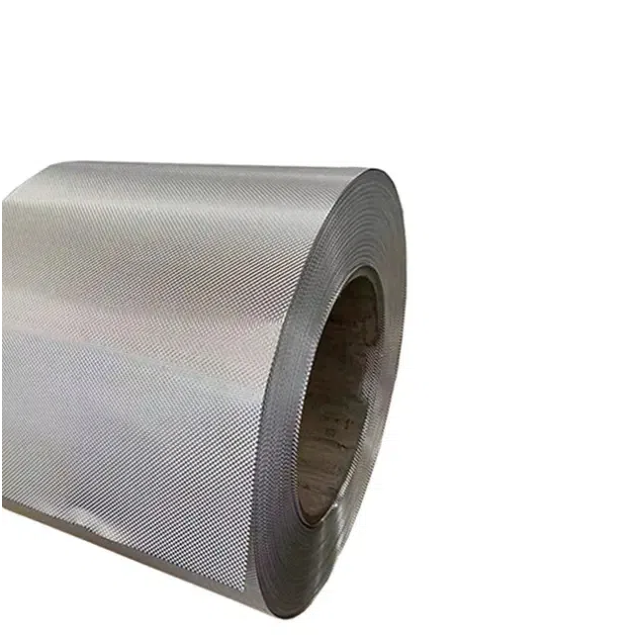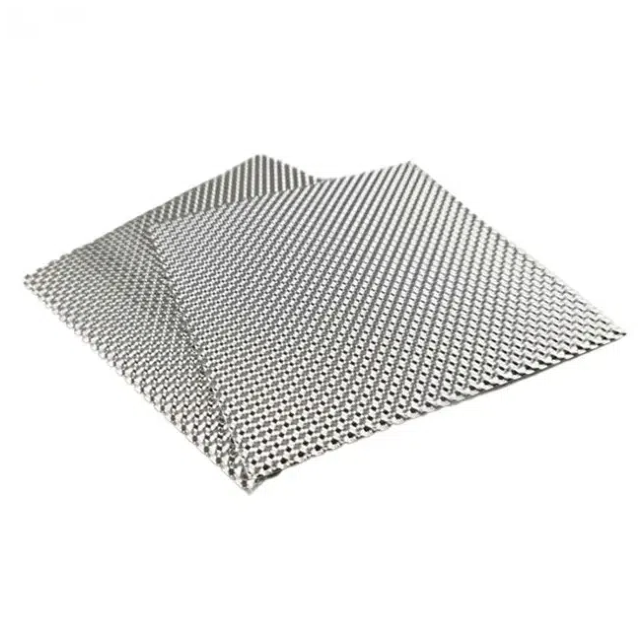
In industrial and commercial projects, choosing the right material specification can have a significant impact on performance, cost, and long-term durability. One commonly underestimated factor is the thickness of stucco embossed aluminum coil. While the surface pattern provides added strength and visual appeal, it's the thickness of the coil that largely determines how well the material performs under various conditions. Selecting the wrong thickness can result in structural failures, higher maintenance costs, or even project redesigns. Whether you are designing cladding for a modern building, covering appliances, or fabricating industrial flooring, understanding how to choose the right thickness will ensure your project delivers the best results.
At Yuqi Metal, we manufacture and supply a full range of stucco embossed aluminum coil options to support projects across construction, HVAC systems, transportation, and home appliance industries. In this guide, we’ll explore everything you need to know to make an informed, confident choice.
Why Thickness Matters in Embossed Aluminum Coils
The importance of thickness in stucco embossed aluminum coils extends far beyond just structural strength. Here are several reasons why it’s a critical decision-making factor in every application:
1. Structural Stability and Anti-Deformation
The primary purpose of adding thickness is to improve rigidity. A thicker aluminum sheet is less likely to bend or warp during installation or under load. This is especially vital for applications where panels may be fastened to uneven surfaces, mounted under pressure, or installed in high-traffic zones.
2. Enhanced Corrosion Resistance
While aluminum has strong natural corrosion resistance, the embossed pattern introduces micro-grooves and raised textures where environmental particles may settle. Thicker materials can endure more exposure and resist wear over a longer period, especially in humid or chemically active environments.
3. Shock and Impact Absorption
Applications in transport, HVAC systems, or factory flooring often expose materials to physical contact or mechanical impact. Thicker aluminum coils provide a tougher surface, protecting insulation materials underneath and reducing the risk of puncture or denting.
4. Cost vs. Performance Trade-Off
While thicker coils generally offer better protection and longevity, they come at a higher price and weight. More thickness means more raw material and heavier loads, leading to increased shipping and handling costs. Choosing the appropriate balance based on project needs ensures you’re not over-engineering and overspending.
In short, thickness affects everything from installation and durability to compliance and cost. Knowing what level of thickness your application demands is key to maximizing value.
Common Thickness Ranges and Their Typical Applications
One of the best starting points is to understand common thickness ranges in the market and what each is typically used for. Here’s how these ranges break down:
0.2mm – 0.3mm
Used primarily in lightweight or low-impact applications, such as interior wall panels, false ceilings, lightweight air ducts, and appliance lining. These thin coils are easy to bend and install, making them a favorite for design-focused and aesthetic elements.
0.4mm – 0.6mm
These medium-thickness coils are highly versatile. They are often used in building facades, refrigerator and air conditioner exteriors, elevator panels, and lightweight transportation panels. They strike a solid balance between strength and workability, making them a widely adopted choice across multiple industries.
0.8mm and Above
When durability and load-bearing capabilities are required, these thicker coils step in. Ideal for industrial platforms, anti-slip flooring, cold storage insulation panels, and truck trailer skins, these coils provide excellent resistance to mechanical pressure, corrosion, and frequent impact.
Choosing the correct thickness according to your specific application reduces the risk of failure and ensures a smoother installation process.

Factors That Should Influence Your Thickness Decision
Aside from the application type, there are several additional factors to consider when determining which coil thickness to choose. These practical considerations will help refine your selection:
Installation Technique
Adhesive bonding works better with thinner materials.
Riveting and mechanical fastening might require mid-thickness coils for secure anchoring.
Welding or high-heat applications may need thicker coils to prevent deformation.
Operating Environment
If your project will be exposed to extreme temperature shifts, high humidity, or salty air, such as in coastal locations, selecting a thicker embossed aluminum coil can extend product lifespan and reduce the chance of early deterioration.
Mechanical Requirements
Is your coil going to support other components? Will it experience regular movement or pressure? For example, aluminum used in HVAC insulation systems may not require much thickness, while flooring panels in a food processing plant definitely would.
Post-Processing Needs
If your production line involves bending, rolling, or stamping the coil, a thinner sheet may reduce stress on your machinery. On the other hand, forming large structures with high stability needs—such as air duct brackets—may call for a more rigid, thicker solution.
Integration with Insulation or Other Layers
If the aluminum will be laminated with foam insulation, reflective film, or adhesive backing, the aluminum must be thick enough to support the composite structure without warping or failing during curing or installation.
Yuqi Metal’s technical team often consults with clients during the selection phase to ensure all these parameters are aligned with the chosen product.
Mistakes to Avoid When Choosing Coil Thickness
Now that we've explored what should guide your decision, let’s look at common mistakes that can derail your project if not carefully avoided.
One-Size-Fits-All Thinking
Many buyers assume that a mid-range thickness like 0.5mm will suit all purposes. However, real-world applications demand specificity. Under-specifying can lead to costly failures, while over-specifying results in unnecessary expenses.
Ignoring Embossed Texture Thickness Loss
With stucco embossed aluminum coil, the raised pattern slightly reduces the net thickness of the base material. For example, a 0.5mm coil with heavy embossing may only provide the structural performance of a 0.45mm plain sheet. Overlooking this could mean your coil doesn’t meet the required standards.
Overlooking Industry Standards and Local Regulations
Different countries have compliance codes for exterior materials, insulation performance, and safety under fire or impact. Choosing a thickness below the legal threshold might prevent your project from passing inspection or delay project timelines.
Being mindful of these errors not only protects your investment but also ensures peace of mind through every project phase.
Conclusion
Selecting the right thickness for your stucco embossed aluminum coil is one of the most crucial decisions in ensuring your project performs as expected in the long run. From lightweight ceiling panels to durable industrial flooring, each application demands a tailored approach. Understanding how thickness influences structural integrity, resistance, and installation performance empowers you to make the right call.
At Yuqi Metal, we offer a wide range of stucco embossed aluminum coil products in various thicknesses, surface finishes, and dimensions. Our technical team is here to help you match the correct specification with your exact project requirements.
Looking for the perfect coil solution? Contact us today to learn more and receive a customized recommendation.