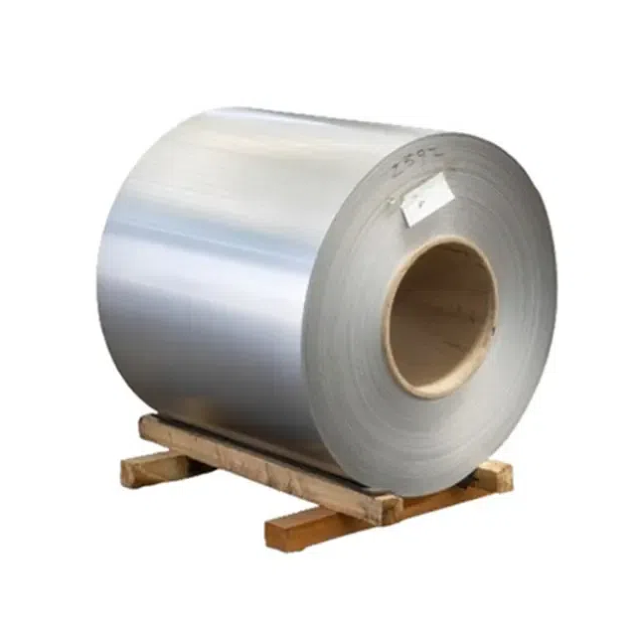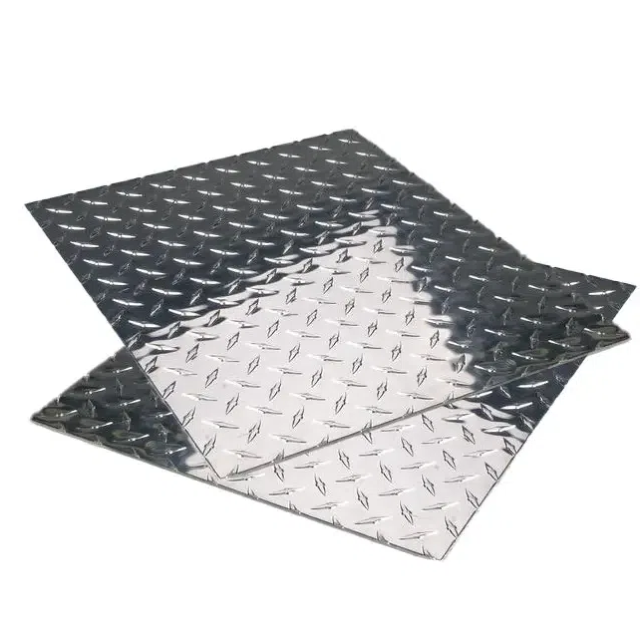
The demand for lightweight, durable, and visually appealing materials in the transportation industry has led to the increased adoption of embossed aluminum coil in truck and trailer body construction. From refrigerated vehicles to urban delivery fleets, this material offers a reliable alternative to traditional steel sheets and smooth aluminum, combining strength, aesthetics, and corrosion resistance.
At Yuqi Metal, we frequently receive inquiries about using stucco embossed aluminum for truck bodies. This article will provide an in-depth explanation of why this material is well-suited to commercial vehicle manufacturing, how it’s applied across various scenarios, and what considerations are essential for vehicle OEMs and bodybuilders.
Surface Texture and Aesthetic Appeal
One of the most immediate differences between embossed aluminum coil and painted steel sheets is their visual and tactile characteristics.
Embossed Aluminum: Texture that Enhances Durability and Looks
Embossed aluminum coil features a distinct stucco pattern, creating a three-dimensional surface that adds depth and sophistication to building facades or interior walls. This textured surface offers several advantages beyond aesthetics:
The embossing conceals minor scratches, fingerprints, and dents much better than smooth surfaces, maintaining a clean and fresh appearance for years.
The textured finish also increases surface rigidity without adding weight, which helps panels resist deformation during handling and installation.
For example, in a commercial building project in a coastal city, embossed aluminum panels maintained their pristine look for over a decade despite frequent exposure to salty air and physical contact.
Painted Steel Sheets: Vibrant Colors but Vulnerable to Damage
Painted steel sheets offer a wide palette of colors and a sleek, uniform finish, making them popular for visually striking projects. However, their smooth painted surface can be fragile:
Paint chips or scratches expose the steel underneath, which is highly susceptible to rust.
Prolonged UV exposure causes paint fading and chalking, necessitating regular repainting.
For buildings in harsh weather zones, painted steel may require frequent maintenance to retain appearance, adding to long-term costs.
Weight and Ease of Installation
Material weight is a crucial factor influencing transportation, handling, and structural design.
Embossed Aluminum Coil: Lightweight Advantage
Aluminum’s density is roughly 2.7 g/cm³, making it about one-third the weight of steel, which is 7.8 g/cm³. This drastic difference offers tangible benefits:
Easier and safer handling on construction sites, reducing labor intensity and risks of injury.
Lower transportation costs due to lighter shipments.
Reduced structural load, enabling lighter substructures and foundation requirements.
For example, a high-rise building project in Shanghai chose embossed aluminum cladding specifically to minimize weight on upper floors, facilitating faster installation and lowering overall construction costs.
Painted Steel Sheets: Heavier and More Demanding
Steel sheets require more robust handling equipment and stronger supporting structures, especially for large panels used in curtain walls or roofing. The extra weight also extends installation time and increases labor expenses.

Corrosion Resistance and Outdoor Durability
Building materials inevitably face exposure to environmental elements. Their ability to withstand corrosion and weathering significantly affects maintenance needs and lifespan.
Aluminum: Naturally Resistant and Enhanced by Coatings
Aluminum forms a protective oxide film instantly upon exposure to air, shielding it from moisture and corrosive agents. When combined with coatings like PVDF or polyester, this resistance is amplified:
Resists salt spray, acid rain, and UV degradation.
Performs well in coastal, industrial, and urban environments where pollutants can accelerate material decay.
A government building in Guangzhou has been using embossed aluminum panels on its façade for over 15 years with minimal signs of corrosion, demonstrating aluminum’s suitability for long-term outdoor use.
Steel: Requires Intensive Protective Measures
Steel must undergo galvanization, priming, and painting to protect against rust. Any breach in these layers can lead to rapid corrosion, weakening structural integrity and necessitating costly repairs.
Buildings located in humid or marine environments may experience premature steel panel failure if protective coatings are compromised.
Lifecycle Costs and Maintenance
Initial procurement cost is often a key consideration, but long-term maintenance expenses and replacement frequency heavily influence the total cost of ownership.
Embossed Aluminum Coil: Low Maintenance, High Longevity
Though embossed aluminum coil may carry a slightly higher upfront cost than basic painted steel sheets, its durability and minimal upkeep reduce overall expenditure:
No repainting required during service life.
Resistance to dents and surface damage reduces repair costs.
High recyclability value at end-of-life.
Many commercial clients report significant savings on maintenance budgets when switching to aluminum, as panels maintain their functional and visual qualities for decades.
Painted Steel Sheets: Hidden High Costs
Painted steel’s attractive initial price often masks its higher maintenance needs:
Regular inspections, repainting, and rust treatments increase operational costs.
Replacement cycles can be as short as 10–15 years in harsh environments, multiplying capital expenditures.
For large-scale projects, the cumulative costs of upkeep and replacements can surpass initial savings, making steel less economical over time.
Environmental Impact and Sustainability Comparison
Sustainability is a growing priority in construction, with environmental impact influencing material selection.
Embossed Aluminum: Eco-Friendly and Recyclable
Aluminum production is energy-intensive, but the metal is 100% recyclable without loss of properties. Utilizing recycled aluminum reduces environmental footprint significantly. The longevity and maintenance savings also lower environmental burdens linked to frequent repainting or panel replacement.
Many green building certifications recognize aluminum’s recyclability and durability as contributing to sustainable construction.
Steel: Recyclable but Maintenance-Intensive
Steel is also recyclable, but corrosion and repainting cycles generate additional waste and resource use over the material’s lifecycle. Protective coatings may contain chemicals requiring careful disposal.
Overall, aluminum’s durability and reduced maintenance provide environmental benefits beyond the recycling stage.
Conclusion
When comparing embossed aluminum coil to painted steel sheets in construction, embossed aluminum clearly stands out as a superior choice due to its lightweight nature, excellent corrosion resistance, low maintenance requirements, and strong environmental benefits. While painted steel may have a lower initial cost, its higher upkeep and shorter lifespan often lead to greater expenses over time. For projects seeking durable, efficient, and sustainable building materials, embossed aluminum coil offers long-term value and reliability. At Yuqi Metal, we are ready to help you find the perfect aluminum solution tailored to your specific needs—contact us today to discuss your project and request samples.