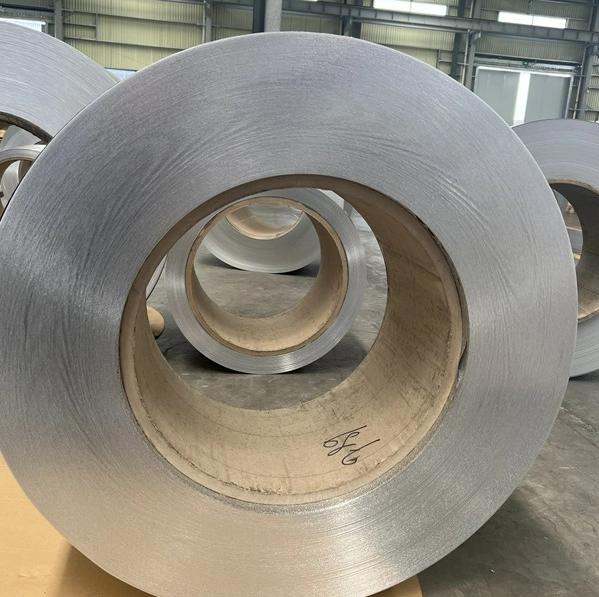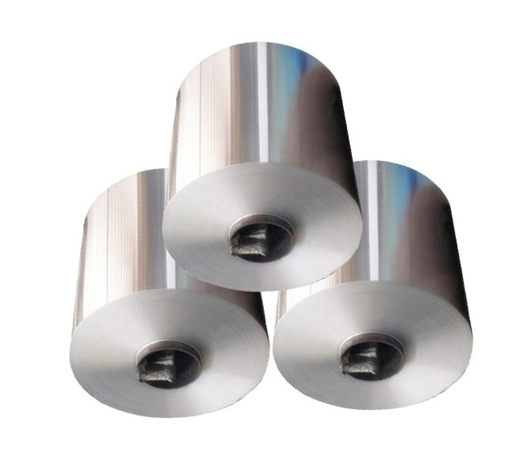
Aluminum Plate plays a key role in marine and automotive sectors. Its strength, light weight, and corrosion resistance set it apart. In this article, you will learn why 5052 aluminum plate is a top choice and how it benefits both industries.
Key Properties That Make 5052 Aluminum Plate Ideal
Exceptional Corrosion Resistance
5052 aluminum exhibits outstanding resistance to corrosion, making it particularly suited for marine and automotive applications. The magnesium and chromium content in the alloy forms a protective oxide layer that prevents oxidation, pitting, and degradation over time. In marine environments, this resistance is crucial, as exposure to seawater accelerates corrosion in most metals. In automotive applications, exposure to road salts, humidity, and chemicals can cause structural failure if the wrong material is used. By selecting a corrosion resistant aluminum plate, manufacturers can ensure long-lasting performance and minimize maintenance requirements. This durability contributes to lower lifecycle costs and enhanced safety in harsh environments.
Tip: For B2B projects, prioritize corrosion-resistant alloys like 5052 to reduce maintenance costs in marine and automotive systems.
Strength-to-Weight Ratio Advantages
One of the key reasons 5052 aluminum plate is preferred is its exceptional strength-to-weight ratio. Compared with alloys like 6061 and 7075, it maintains significant strength while remaining lightweight. This balance is critical in marine vessels where reducing weight improves fuel efficiency and handling, and in vehicles where weight reduction contributes to performance and lower emissions. The high strength also ensures that components can withstand mechanical stress without deformation. Engineers often choose lightweight aluminum plate for vehicles to optimize safety and efficiency while maintaining structural integrity.
Alloy | Yield Strength (psi) | Tensile Strength (psi) | Typical Application |
5052 | 28,000–42,000 | 33,000–42,000 | Marine & automotive |
6061 | 40,000–45,000 | 45,000–50,000 | Structural engineering |
7075 | 70,000–83,000 | 75,000–83,000 | Aerospace & defense |
Annotation: Strength-to-weight ratio is crucial for optimizing efficiency and performance in transport and marine systems.
Formability and Flexibility
The ability to form and bend 5052 aluminum plate without cracking makes it highly versatile. Automotive designers rely on this property for creating complex body panels, while marine engineers shape boat hulls and structural components. Its high ductility allows for easy fabrication using standard tools, reducing production time and labor costs. In comparison, other aluminum alloys may require heat treatment or specialized equipment for similar shaping. Using 5052 aluminum sheet for automotive ensures designers can meet aesthetic and functional demands without compromising structural integrity.
Weldability for Structural Integrity
5052 aluminum can be welded using MIG, TIG, and other standard welding methods without losing significant strength. This property is essential for assembling components that require durability under continuous stress, such as marine fittings or automotive fuel tanks. The alloy’s weldability allows fabricators to create complex assemblies while maintaining performance under cyclic loads. Proper welding techniques ensure that joints do not become weak points, which is critical in environments where safety and longevity are priorities.

Marine Applications of 5052 Aluminum Plate
Boat Hull Construction
Marine environments are notoriously harsh, with saltwater, UV exposure, and continuous mechanical stress challenging most metals. 5052 aluminum plate for marine applications offers the corrosion resistance needed to prevent pitting and maintain structural integrity. Boat hulls made from 5052 aluminum can withstand prolonged exposure to seawater without rusting or weakening, providing both safety and longevity. Its combination of lightweight and strength ensures optimal buoyancy and stability, which are critical factors in vessel design.
Marine Hardware and Fittings
Corrosion resistance alone is not enough; marine hardware must also withstand mechanical stresses. Components like brackets, fittings, and supports benefit from the high fatigue resistance and ductility of 5052 aluminum plate. Compared to 6061 or 7075, 5052 performs better in saltwater conditions, preventing premature failure and reducing maintenance frequency. This makes it ideal for both recreational and commercial marine applications.
Corrosion Protection Strategies
Although 5052 aluminum plate is highly resistant, preventive maintenance can extend its service life. Regular inspections, cleaning, and application of protective coatings further enhance corrosion protection. Over time, the combination of material choice and maintenance strategy leads to significant cost savings. Using a corrosion resistant aluminum plate reduces the likelihood of repairs or replacements, contributing to a more efficient and sustainable operation.
Automotive Applications of 5052 Aluminum Plate
Fuel Tanks and Structural Components
Fuel tanks and other structural components benefit from the lightweight yet strong nature of 5052 aluminum plate. Its high strength-to-weight ratio allows vehicles to be lighter without sacrificing safety. This contributes to improved fuel efficiency, better handling, and lower emissions. Automotive engineers favor lightweight aluminum plate for vehicles to balance performance with environmental considerations. Additionally, corrosion resistance protects components from road salts and chemical exposure.
Body Panels and Custom Fabrication
Modern automotive design often requires complex curves and custom panels. 5052 aluminum plate excels in formability, allowing manufacturers to produce intricate bodywork efficiently. Its non-heat-treatable nature ensures predictable behavior during bending and stamping. Using 5052 aluminum sheet for automotive helps designers achieve desired aesthetics without compromising structural integrity or durability.
Fatigue Resistance Under Cyclic Loads
Vehicles encounter continuous vibrations, road irregularities, and repeated stress over time. 5052 aluminum plate maintains performance under these conditions due to its excellent fatigue resistance. This property ensures that components like chassis panels and underbody supports remain reliable throughout the vehicle’s lifespan, reducing maintenance needs and enhancing safety for drivers and passengers.
Cost-Effectiveness for Automotive Manufacturing
While premium alloys may offer higher tensile strength, 5052 aluminum balances cost and performance effectively. Its durability reduces long-term maintenance expenses, while lightweight design helps optimize fuel efficiency. Automotive manufacturers can achieve high-quality outcomes without exceeding budget constraints, making 5052 aluminum an economical choice for large-scale production.
Comparison with Other Aluminum Plates
5052 vs 6061 Aluminum Plate
6061 aluminum is heat-treatable and offers higher ultimate strength but lower corrosion resistance. In applications where exposure to saltwater or corrosive chemicals is frequent, 5052 aluminum plate is superior. For structural applications requiring high rigidity, 6061 may be preferred. Choosing between the two depends on balancing corrosion resistance, formability, and strength requirements for the intended use.
5052 vs 7075 Aluminum Plate
7075 aluminum provides very high tensile strength but lower corrosion resistance, making it ideal for aerospace or high-load automotive components. 5052 excels in harsh environmental conditions where longevity and corrosion protection are more critical than maximum strength. For marine vessels and general automotive components, 5052 aluminum plate remains the preferred choice.
When to Choose 5052 Over Other Alloys
Selecting 5052 aluminum plate is often driven by application-specific factors. For components exposed to saltwater, road salts, or fluctuating environmental conditions, its corrosion resistance, ductility, and weldability outweigh the higher strength of other alloys. Industries seeking balance between cost, durability, and manufacturability frequently favor 5052 over 6061 or 7075.
Fabrication and Processing Techniques
Cutting, Machining, and Bending
5052 aluminum plate is versatile for fabrication, allowing cutting, machining, and bending without cracking. Its ductility reduces tool wear and simplifies production. Unlike harder alloys, it maintains integrity under standard fabrication techniques, which improves efficiency and lowers manufacturing costs.
Welding Techniques
MIG, TIG, and spot welding are compatible with 5052 aluminum. Proper welding ensures joints retain strength and resist environmental degradation. Welded components can be assembled into intricate structures, making the alloy suitable for marine hardware and automotive assemblies alike.
Surface Treatments and Finishing
Although naturally corrosion-resistant, additional surface treatments can enhance both aesthetics and performance. Anodizing, powder coating, or painting can improve durability, UV resistance, and appearance. Such finishing techniques are especially valuable in visible automotive panels or exposed marine components.
Sustainability and Long-Term Benefits
Recyclability of Aluminum Plates
5052 aluminum is highly recyclable without losing quality, making it an eco-friendly material choice. Its use reduces environmental impact compared to metals that degrade during recycling. Companies can align sustainability goals with high-performance requirements, benefiting both the planet and their operational footprint.
Maintenance and Lifecycle Cost Savings
Minimal upkeep is required for 5052 aluminum components in marine and automotive environments. Its corrosion resistance, fatigue strength, and ease of fabrication reduce repair frequency. Over the product’s life, these benefits translate to lower total ownership costs and predictable maintenance budgets.
Enhancing Product Longevity
By using 5052 aluminum plate, engineers create marine and automotive products that last longer and perform reliably under harsh conditions. This longevity protects investments, reduces downtime, and supports customer satisfaction, reinforcing the material’s position as a top choice in demanding industries.
Conclusion
5052 aluminum plate offers corrosion resistance, strength, and formability for marine and automotive uses. Yuqi Metal Material Co.,Ltd provides high-quality 5052 aluminum that ensures durability and efficiency. Its products support reliable, long-lasting solutions while enhancing performance and operational value.
FAQ
Q: What is 5052 aluminum plate?
A: 5052 aluminum plate is a corrosion resistant aluminum plate ideal for marine and automotive applications due to its strength, lightweight, and formability.
Q: Why choose 5052 aluminum plate for marine use?
A: It offers excellent resistance to seawater, making 5052 aluminum plate for marine projects durable and long-lasting.
Q: Can 5052 aluminum sheet be used in vehicles?
A: Yes, 5052 aluminum sheet for automotive is lightweight and strong, improving fuel efficiency and safety in vehicle components.
Q: How does 5052 aluminum compare to other alloys?
A: Compared to 6061 or 7075, 5052 aluminum provides better corrosion resistance while maintaining good weldability and formability.
Q: Is 5052 aluminum cost-effective?
A: Its durability, low maintenance, and recyclability make 5052 aluminum plate for marine and automotive uses a cost-efficient choice.