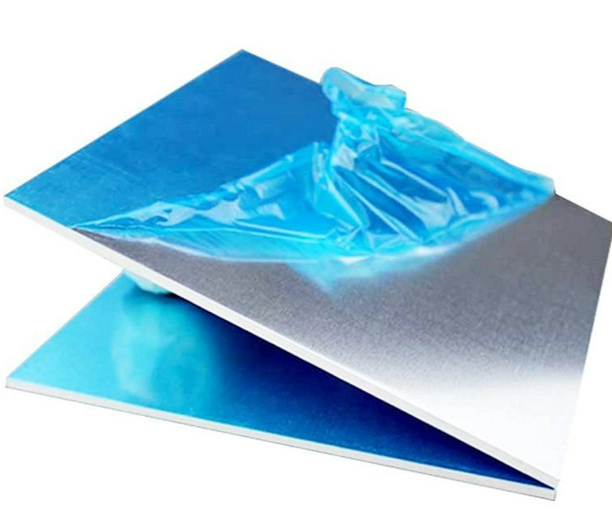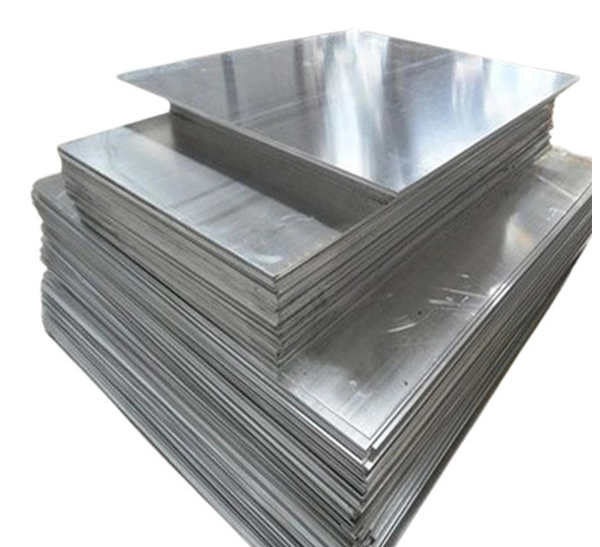
Ever wonder why high-performance vehicles stay strong yet light? 7075 Aluminum Plate offers a unique solution. This alloy combines strength, durability, and low weight for critical aerospace and transportation components. In this article, you will learn its key benefits, challenges, and best practices for effective use.
Key Benefits of 7075 Aluminum Plate in Aerospace & Transportation
Exceptional Strength-to-Weight Ratio
7075 aluminum plate provides steel-like strength at a fraction of the weight, making it ideal for critical aerospace and automotive components. Aircraft wings, fuselage frames, and structural supports benefit from reduced mass, improving fuel efficiency and handling. Vehicles in the transportation industry gain similar advantages, where high strength and lightweight materials enhance performance and safety.
By optimizing the strength-to-weight ratio, designers can create components that withstand extreme mechanical loads without adding unnecessary bulk. This property is particularly valuable in aerospace applications where every kilogram matters.
Fatigue and Stress Resistance
The alloy’s excellent fatigue and stress resistance allow it to endure repeated loading cycles without deformation. High-cycle aerospace components, such as wing spars and fuselage joints, rely on this capability to ensure long-term structural integrity. In the automotive sector, high-performance vehicles use 7075 aluminum for parts like suspension brackets and chassis reinforcements, where repeated stress is common.
Its resistance to cracking and mechanical fatigue makes it a trusted choice for safety-critical systems. Engineers can confidently design with tighter tolerances and higher stress margins, knowing the material maintains performance under continuous operation.
Machinability and Fabrication Flexibility
7075 aluminum plate, especially in T6 and T651 tempers, offers excellent machinability, allowing for precise shaping and fabrication. Complex aerospace brackets, automotive mounts, and performance components are easily manufactured while maintaining dimensional accuracy. Machining flexibility reduces production errors and ensures repeatable results across large batches.
The alloy’s compatibility with modern CNC and automated machining processes supports high-volume manufacturing without sacrificing quality. This makes it ideal for both custom projects and large-scale industrial applications.
Corrosion Management Techniques
Despite its strength, 7075 aluminum is more susceptible to corrosion than alloys like 6061. Protective coatings, anodizing, and design strategies help manage exposure to harsh environments. In marine applications, such as boat fittings or offshore structures, corrosion-resistant treatments are essential for long-term performance.
Proper design considerations, like avoiding crevices and ensuring adequate drainage, further enhance durability. These preventive steps extend component life while maintaining mechanical properties.
Critical Challenges in Using 7075 Aluminum Plate
Welding Limitations
Welding 7075 aluminum plate is challenging due to its high zinc content and heat sensitivity. Standard welding can lead to micro-cracking and reduced strength in the heat-affected zone. Alternative joining methods, such as riveting, bolting, or adhesive bonding, are often recommended for structural applications.
Engineers must evaluate whether welding is necessary or if mechanical fastening can provide adequate performance. This decision directly impacts component integrity and safety, especially in aerospace applications.
Machining Difficulties
Machining 7075 can result in warping, cracking, or burr formation if improper tools or feed rates are used. High zinc content increases hardness, making precision cutting more challenging. Applying recommended feed rates, sharp cutting tools, and proper coolant systems reduces these risks significantly.
These practices ensure consistent surface quality and dimensional accuracy, particularly for aerospace brackets and high-performance automotive parts. Efficient machining also minimizes material waste and lowers production costs.
Cost Considerations
7075 aluminum plate is more expensive than other aluminum alloys. However, the investment is justified by its superior strength, fatigue resistance, and lightweight properties. For aerospace and transportation applications, performance benefits often outweigh the higher upfront cost.
By strategically sourcing and optimizing design, companies can achieve cost efficiency without compromising quality or safety. Balancing initial expenses with long-term reliability is crucial for sustainable production.
Corrosion Susceptibility
Even with protective coatings, 7075 aluminum is inherently less corrosion-resistant than 6061. Proper design, material selection, and surface treatments are essential to prevent premature degradation. In marine and offshore applications, this factor must be considered during the planning and maintenance stages.
Applications of 7075 Aluminum Plate in Aerospace
Aircraft Structural Components
7075 aluminum plate is extensively used for aircraft wing spars, fuselage frames, and ribs. Its strength-to-weight ratio allows for lighter structures without sacrificing load-bearing capacity. These components endure significant mechanical stress and thermal variation, requiring consistent reliability.
Landing Gear and High-Stress Fittings
Landing gear and other high-stress fittings benefit from 7075 aluminum’s impact resistance and vibration tolerance. This ensures operational safety during takeoff, landing, and turbulence. The alloy’s fatigue resistance allows repeated stress cycles without structural compromise.
Aerospace Connectors and Fasteners
Connectors and fasteners manufactured from 7075 aluminum provide precision and durability. Aerospace components demand tight tolerances and predictable performance under mechanical loads, which this alloy reliably delivers.
Spacecraft and Satellite Components
7075 aluminum plate is also used in spacecraft and satellite systems. Its lightweight nature and high strength support critical structural applications, where weight savings directly influence launch costs and performance.
Aerospace Component | Material Advantage | Typical Application |
Wing Spars & Ribs | Lightweight, high strength | Load-bearing structure |
Landing Gear | Impact resistance | Shock absorption |
Fasteners & Connectors | Precision & durability | Mechanical joints |
Satellite Frames | High strength-to-weight ratio | Structural support |
Applications of 7075 Aluminum Plate in Transportation
Automotive Performance Components
7075 aluminum plate is widely used in automotive performance components, including chassis, suspension parts, and high-performance brackets. Its superior strength and fatigue resistance enhance handling, acceleration, and overall safety. Weight reduction further contributes to fuel efficiency and energy savings, making it ideal for both conventional and electric vehicles in demanding conditions.
Motorsports and Racing Vehicles
In motorsports, engineers prefer 7075 aluminum plate for its exceptional strength-to-weight ratio. Racing frames, suspension arms, and engine mounts benefit from reduced mass and increased durability, improving vehicle responsiveness, speed, and cornering performance. Its consistent mechanical properties under extreme conditions ensure reliable performance during competitive events.
Marine & Offshore Engineering
Marine and offshore structures, such as masts, fittings, and platform components, often rely on 7075 aluminum plate with specialized protective coatings. Its corrosion management properties are crucial for prolonged exposure to saltwater and harsh marine environments, while maintaining structural integrity and mechanical performance over long service periods.
Heavy Vehicle & Defense Transport
7075 aluminum plate is increasingly used in heavy vehicles and defense transport platforms. Its combination of high strength, toughness, and reduced weight improves mobility, payload efficiency, and tactical performance without compromising structural protection. Armored vehicles and specialized transport systems benefit from both durability and design flexibility.
Best Practices for Selecting and Using 7075 Aluminum Plate
Choosing the Right Temper
Selecting the correct temper, such as T6, T651, or T7351, directly impacts strength, machinability, and fatigue resistance. T6 provides peak strength, T651 balances machining and performance for complex components, and T7351 offers additional stress corrosion resistance, which is critical for aerospace and marine applications where environmental durability is essential.
Design Considerations
Effective design requires avoiding stress concentrators and ensuring appropriate material thickness to prevent structural failure. Reducing weight while maintaining strength demands careful geometry and material placement. Thoughtful design improves both efficiency and durability, ensuring components perform reliably under dynamic mechanical loads and extended service life conditions.
Machining and Tooling Recommendations
Machining 7075 aluminum plate requires sharp cutting tools, controlled feed rates, and adequate lubrication. Cooling fluids help prevent warping or cracking, while proper tool selection reduces burr formation. Following these practices ensures high-precision components for aerospace and automotive applications, minimizes material waste, and maintains dimensional consistency across production batches.
Protective Measures and Finishing
Surface treatments like anodizing, powder coatings, or specialized finishes extend the lifespan of 7075 aluminum plate. These measures prevent corrosion, enhance aesthetics, and maintain mechanical performance in harsh environments. Proper finishing is particularly important for marine, automotive, and aerospace components exposed to weathering, moisture, and friction over time.
Cost Optimization Strategies
Optimizing production costs requires minimizing material waste through careful planning, batch ordering, and efficient machining. Evaluating performance requirements against expenses ensures reliable components without overspending. Strategic sourcing and streamlined manufacturing reduce overall costs while maintaining quality and performance, supporting both small-scale and large industrial projects.
Practice | Recommendation |
Temper Selection | T6, T651, T7351 based on performance needs |
Machining | Sharp tools, proper feed rate, coolant use |
Surface Protection | Anodizing, coatings, corrosion management |
Cost Optimization | Batch ordering, waste reduction, design efficiency |

Comparative Advantages of 7075 vs Other Aluminum Plates
7075 aluminum plate offers higher tensile strength than 6061, making it ideal for high-stress applications. Its fatigue resistance and load-bearing capacity surpass many commonly used aluminum alloys. While corrosion resistance is lower, proper treatments compensate for this limitation. For applications prioritizing strength and lightweight properties, 7075 remains superior to alternatives.
Conclusion
7075 Aluminum Plate excels in strength, weight, and fatigue resistance. It suits aerospace and transportation needs. Yuqi Metal Material Co.,Ltd provides high-quality plates that enhance performance and reliability. Their products support aircraft, automotive, and marine applications, offering durability and precision for engineers.
FAQ
Q: What is 7075 aluminum plate?
A: 7075 aluminum plate is a high-strength, lightweight alloy used in aerospace and transportation for durable, stress-resistant components.
Q: Why choose 7075 aluminum plate for aerospace applications?
A: It offers an exceptional strength-to-weight ratio and fatigue resistance, ideal for 7075 aluminum plate aerospace applications like wing spars and fuselage frames.
Q: How is 7075 aluminum plate used in the transportation industry?
A: In the 7075 aluminum plate transportation industry, it strengthens automotive chassis, suspension parts, and high-performance brackets while reducing weight.
Q: What are the benefits of 7075 aluminum plate?
A: The benefits of 7075 aluminum plate include high strength, machinability, fatigue resistance, and weight reduction for critical aerospace and automotive components.
Q: What are best practices for 7075 aluminum plate?
A: Best practices for 7075 aluminum plate include selecting the correct temper, proper machining techniques, and protective coatings to ensure performance and longevity.
Q: Is 7075 aluminum plate more expensive than other alloys?
A: Yes, but the cost is offset by its durability, high performance, and suitability for aerospace and transportation applications.
Q: Can 7075 aluminum plate be welded?
A: Welding is challenging due to high zinc content; alternatives like riveting, bolting, or adhesive bonding are recommended for structural parts.