Aluminum Foil plays a vital role in air conditioners. But why is 8011 aluminum foil preferred? Its unique properties enhance heat exchange and durability. In this post, you’ll learn about 8011 aluminum foil’s specifications, types, and benefits for HVAC systems.
Comprehensive Specifications of 8011 Aluminum Foil for Air Conditioners
Thickness Variations and Their Applications
8011 aluminum foil for air conditioners comes in a range of thicknesses tailored to different parts of HVAC systems. The standard thickness usually falls between 0.08 mm and 0.2 mm, ideal for most heat exchanger fins in evaporators and condensers. Ultrafine foils, as thin as 0.03 mm, are used in high-efficiency cooling systems requiring delicate heat transfer surfaces. Thicker foils, up to 0.5 mm, serve structural roles where extra strength is necessary, such as in ductwork or reinforcement areas.
Width and Coil Dimensions for Different Equipment Sizes
The width of 8011 aluminum foil varies to suit equipment sizes:
Narrow widths (15 mm to 500 mm) fit small air conditioners or specialized components.
Medium widths (500 mm to 1000 mm) cover most residential and commercial HVAC needs.
Wide widths (1000 mm to 1200 mm) accommodate large-scale or custom air conditioning units.
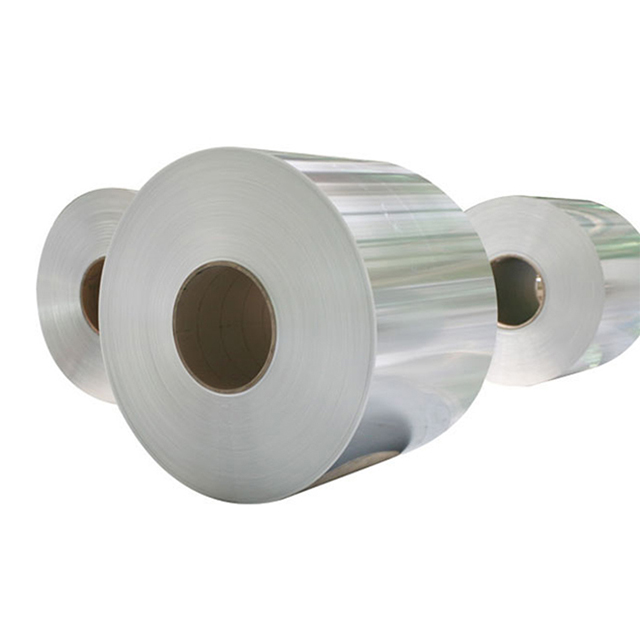
These foils are typically supplied in coils with inner diameters from 75 mm up to 500 mm, and outer diameters ranging between 100 mm and 1500 mm. Coil weight depends on thickness and width, ranging from a few hundred kilograms to several tonnes.
Temper Conditions and Their Impact on Performance
Temper designations reflect the foil's mechanical state, influencing strength and ductility:
O-Temper: Fully annealed, very ductile, perfect for parts requiring bending or deep drawing.
H14 to H18: Increasing cold work hardening, providing medium to high strength.
H22 and H24: Balanced strength and formability, common in heat exchanger fins.
H26: Highest strength, used where durability is critical.
Choosing the right temper ensures the foil withstands manufacturing processes and operational stresses without cracking.
Surface Treatments and Their Functional Roles
Surface treatments enhance foil performance in air conditioners:
Bare Foil: Untreated, cost-effective but limited corrosion resistance.
Hydrophilic Foil: Coated to promote water spreading, improving condensate management and heat exchange efficiency.
Hydrophobic Foil: Encourages water droplet formation and quick runoff, reducing corrosion and frost buildup.
Coated Foil: Features protective layers like epoxy or PVDF for durability in harsh environments.
Each treatment aligns with specific environmental and functional demands in HVAC systems.
Common Coating Types and Their Benefits
Coatings on 8011 aluminum foil typically include:
Epoxy Resin: Provides corrosion resistance and surface durability.
Polyurethane: Enhances hydrophilicity for better condensate flow.
PVDF (Polyvinylidene Fluoride): Offers excellent weather and chemical resistance.
These coatings extend service life, maintain thermal conductivity, and reduce maintenance needs.
Mechanical and Thermal Properties Relevant to Air Conditioning
8011 aluminum foil balances strength and thermal performance:
Tensile strength ranges from 110 to 145 MPa depending on temper.
Elongation values of 13–25% allow flexibility during assembly.
High thermal conductivity ensures efficient heat transfer.
Good corrosion resistance, especially with coatings, withstands humid and corrosive air conditioning environments.
These properties enable lightweight yet durable heat exchanger components and ductwork.
Selecting Specifications Based on Air Conditioner Design
When choosing 8011 aluminum foil, consider:
Application: Fins, ducts, or insulation require different thicknesses and tempers.
Environmental Conditions: Coastal or industrial areas benefit from coated foils.
Heat Exchange Efficiency: Hydrophilic or hydrophobic foils optimize condensate management.
Manufacturing Processes: Temper and surface finish must suit forming and assembly methods.
Matching foil specifications to design ensures optimal performance, durability, and cost-effectiveness.
Tip: When specifying 8011 aluminum foil for HVAC systems, prioritize temper and surface treatment to balance formability, corrosion resistance, and heat exchange efficiency for your specific application.
Types of 8011 Aluminum Foil and Their Applications in Air Conditioning
When it comes to aluminum foil for air conditioners, especially 8011 aluminum foil, various types serve distinct roles in HVAC systems. Each type offers unique features tailored to improve heat exchange, durability, and system efficiency.
Bare Aluminum Foil: Uses and Limitations
Bare 8011 aluminum foil is untreated and typically in the O temper, offering excellent ductility and thermal conductivity. It’s mainly used in conventional air conditioners where the environment is mild and corrosion resistance is not a primary concern. This type is cost-effective and widely available.
Applications:
Heat exchanger fins in indoor units
Basic cooling systems without harsh environmental exposure
Limitations:
Limited moisture and corrosion resistance
Condensate tends to accumulate, potentially reducing heat exchange efficiency
Hydrophilic 8011 aluminum foil has a special coating that promotes water spreading. Instead of forming droplets, condensation water forms a thin film that flows smoothly. This reduces airflow resistance and improves heat transfer efficiency by 10-15%.
Applications:
Air conditioner evaporators and condensers
HVAC aluminum foil for cooling systems in humid environments
Benefits:
Faster condensate removal prevents water accumulation
Reduces noise and improves overall system performance
Popular choice for HVAC aluminum foil sheets and fins
Hydrophobic Aluminum Foil: Condensate Management and Corrosion Resistance
Hydrophobic 8011 aluminum foil features a surface coating that encourages water droplets to form and roll off quickly. This minimizes water retention and frost buildup on heat exchangers.
Applications:
Air conditioning condensers and evaporators exposed to heavy moisture
Aluminum foil for ventilation ducts where corrosion is a concern
Benefits:
Prevents corrosion by reducing water contact time
Enhances heat exchanger longevity
Improves system reliability in demanding environments
Coated Aluminum Foil: Durability in Harsh Environments
Coated 8011 aluminum foil includes protective layers such as epoxy, PVDF, or PE. These coatings significantly boost corrosion resistance, weather resistance, and mechanical durability.
Applications:
Aluminum foil for air conditioner repair and insulation in coastal or industrial areas
HVAC aluminum foil tape and sheets exposed to harsh conditions
Aluminum foil for ductwork requiring long-term protection
Available in various colors like black, gold, and blue for specific needs
Aluminum Foil Tape and Tubes for HVAC Systems
8011 aluminum foil is also used in tape and tube forms for HVAC applications. Aluminum foil tape provides excellent adhesion, sealing pipe joints, and preventing air leaks. Tubes made from 8011 foil are flexible and fire-resistant, ideal for ventilation and exhaust systems.
Applications:
Sealing and insulating HVAC ducts and joints
Flexible aluminum foil tubes for cooling and ventilation ducts
Benefits:
High temperature and corrosion resistance
Easy installation without special tools
Enhances overall system insulation and energy efficiency
Tip: Choose hydrophilic 8011 aluminum foil for improved heat exchange efficiency in humid environments, and opt for coated foil when durability and corrosion resistance are critical.
Advantages of Using 8011 Aluminum Foil in Air Conditioning Systems
High Strength-to-Weight Ratio and Its Benefits
8011 aluminum foil offers a remarkable balance between strength and weight. Its tensile strength typically ranges from 110 to 145 MPa, depending on the temper, while maintaining lightweight properties. This high strength-to-weight ratio benefits air conditioning systems by reducing overall unit weight without compromising durability. Lighter components ease installation and transportation, lowering costs and energy consumption during operation. Additionally, the foil's strength helps resist deformation during manufacturing and service, ensuring stable performance in heat exchangers and ductwork.
Excellent Formability for Complex Heat Exchanger Designs
One of the standout advantages of 8011 aluminum foil is its excellent formability. It exhibits high ductility and elongation, especially in O temper and intermediate tempers like H22 and H24. This allows manufacturers to create intricate fin structures and complex heat exchanger shapes essential for efficient cooling systems. The foil withstands deep drawing, bending, and stamping processes without cracking, which is crucial for producing reliable evaporator and condenser fins. This flexibility supports innovative designs that enhance airflow and heat transfer.
Superior Thermal Conductivity and Energy Efficiency
Thermal conductivity is key for aluminum foil used in HVAC applications. 8011 aluminum foil ensures rapid heat transfer from refrigerants to air, boosting the efficiency of cooling systems. Its high thermal conductivity contributes to faster temperature regulation and reduced energy consumption. When paired with hydrophilic coatings, the foil further improves heat exchange by optimizing condensate management. This combination leads to more energy-efficient air conditioners that deliver consistent cooling performance while lowering operational costs.
Corrosion Resistance with Advanced Surface Treatments
Though 8011 alloy contains iron and silicon, which provide strength, its corrosion resistance is enhanced significantly through surface treatments. Hydrophilic, hydrophobic, and coated aluminum foils protect against moisture and corrosive agents commonly found in air conditioning environments. Coatings like epoxy, PVDF, and polyurethane extend service life by preventing oxidation and degradation. This resistance is vital for maintaining thermal efficiency and structural integrity over years of use, especially in humid or coastal areas.
Cost-Effectiveness Compared to Alternative Materials
Compared to pure aluminum foil (1000-series) and other alloys like 3000-series, 8011 aluminum foil offers a compelling cost-performance ratio. It delivers higher strength and comparable corrosion resistance at a lower cost than many alternatives. Its mature production technology and availability in various thicknesses and widths make it adaptable to different air conditioning applications. This cost-effectiveness helps manufacturers reduce material expenses without sacrificing quality or durability in HVAC aluminum foil, aluminum foil insulation, and aluminum foil for ductwork.
Tip: Prioritize 8011 aluminum foil for air conditioner fins and ducts when you need a lightweight, strong material that balances formability, thermal efficiency, and long-term corrosion resistance for cost-effective HVAC solutions.
Performance Comparison: 8011 Aluminum Foil vs Other Aluminum Foils
Comparison with 3000-Series Aluminum Foil
8011 aluminum foil and 3000-series aluminum foil, such as alloys 3102 and 3003, are both widely used in HVAC applications but differ in composition and performance. The 3000-series primarily contains manganese, while 8011 alloy is rich in iron and silicon. This difference gives 8011 foil a tensile strength approximately 10–15% higher than 3000-series under similar temper conditions. This added strength allows 8011 aluminum foil to better withstand mechanical stresses during manufacturing and operation.
However, 3000-series foil may offer slightly better corrosion resistance in acidic or highly corrosive environments. For example, in coastal or industrial settings, 3000-series might resist degradation marginally better without additional coatings. Despite this, the overall heat exchange efficiency and mechanical durability of 8011 foil make it a preferred choice for many air conditioner components like fins and ducts.
Differences from Other 8000-Series Alloys
Within the 8000-series, alloys such as 8079 are also used in various industries. Compared to 8011, 8079 contains a higher silicon content, which can enhance certain properties like corrosion resistance. However, 8011 aluminum foil offers a more balanced combination of strength, toughness, and thermal conductivity, making it more suitable for air conditioning applications.
8011’s versatility allows it to be processed into hydrophilic, hydrophobic, and coated foils, adapting to different HVAC system requirements. In contrast, other 8000-series alloys are often reserved for packaging or specialty uses. Therefore, for air conditioners and HVAC aluminum foil needs, 8011 remains the dominant alloy.
Advantages Over 1000-Series Pure Aluminum Foil
Pure aluminum foils, such as those from the 1000-series (e.g., 1100 alloy), are known for excellent ductility and corrosion resistance but lack mechanical strength. 8011 aluminum foil offers tensile strengths around 140–145 MPa, significantly higher than the typical 75–105 MPa for 1000-series foils.
This strength improvement means 8011 foil is less prone to deformation during manufacturing and service, maintaining the integrity of heat exchanger fins and ducts. Although pure aluminum has slightly better formability, 8011’s higher hardness reduces damage during handling and assembly. Additionally, 8011 foil maintains good corrosion resistance, especially when coated, making it a more durable choice for HVAC aluminum foil insulation and air conditioner repair.
Composite Structures Combining 8011 with Other Alloys
In some advanced HVAC designs, composite structures combine 8011 aluminum foil with other alloys like 3003 to optimize performance. Layered constructions can exploit the high strength of 8011 and the corrosion resistance of 3000-series foils. These composites improve toughness and fatigue resistance, enhancing the longevity of heat exchangers.
Such hybrid materials are particularly useful in demanding environments where both mechanical durability and chemical stability are critical. Manufacturers may also use composite aluminum foil tapes combining 8011 foil with adhesive layers designed for HVAC sealing and insulation applications.
Impact on Air Conditioner Longevity and Efficiency
Choosing 8011 aluminum foil for air conditioner components directly influences system durability and thermal performance. Its superior strength resists mechanical damage, while advanced surface treatments improve corrosion resistance. This combination helps maintain heat exchanger efficiency over time, reducing maintenance frequency.
Compared to other foils, 8011’s balanced properties enable thinner fins and ducts without sacrificing durability, contributing to lighter, more energy-efficient air conditioning systems. This results in longer service life and better overall HVAC performance, making 8011 aluminum foil a cost-effective material choice.
Tip: When selecting aluminum foil for HVAC systems, prioritize 8011 alloy for its superior strength and balanced corrosion resistance to enhance air conditioner durability and heat exchange efficiency.
How to Choose the Right 8011 Aluminum Foil for Your Air Conditioning Needs
Choosing the right 8011 aluminum foil for air conditioners involves balancing several key factors. Each factor impacts performance, cost, and durability, so understanding your specific needs is crucial.
Assessing Cost vs Performance Requirements
Cost is often the first consideration. Bare 8011 aluminum foil is the most budget-friendly option. It suits standard air conditioners operating in mild environments, offering good thermal conductivity and formability at a low price. However, it lacks advanced corrosion resistance and condensate management.
Hydrophilic and hydrophobic foils come at a higher cost due to special coatings. They enhance heat exchange efficiency and reduce maintenance by managing condensation better. Coated aluminum foils, with protective layers like epoxy or PVDF, have the highest price but offer superior corrosion resistance and longer service life. When budgets allow, investing in coated or functionalized foils pays off by reducing downtime and extending equipment life.
Matching Foil Type to Environmental Conditions
The operating environment heavily influences foil choice:
Indoor, low-humidity settings: Bare or hydrophilic 8011 aluminum foil works well, providing sufficient corrosion resistance and efficient heat transfer.
High humidity or coastal areas: Hydrophilic aluminum foil accelerates condensate removal, preventing water accumulation and corrosion.
Harsh industrial or corrosive environments: Coated aluminum foil is best, protecting against chemical exposure and salt spray.
Precision cooling with strict condensate control: Hydrophobic foil helps droplets slide off quickly, minimizing frost and corrosion risks.
Selecting the foil type that matches environmental conditions ensures optimal system reliability.
Considering Heat Exchange Efficiency Needs
Heat exchange efficiency depends on foil surface properties and thickness. Hydrophilic coatings improve condensate flow, boosting efficiency by up to 15%. Hydrophobic coatings also enhance performance by preventing water film buildup.
Thickness affects thermal conductivity and mechanical strength. Thinner foils (0.08–0.15 mm) favor better heat transfer but may be less durable. Thicker foils increase strength but can reduce efficiency slightly. Choose thickness based on your system’s design and expected mechanical stresses.
Evaluating Service Life Expectations
Service life expectations guide the choice between bare, coated, and functionalized foils:
Short-term or budget systems: Bare foil may suffice but expect more frequent maintenance.
Standard commercial use: Hydrophilic foil balances cost and durability.
Long-term, heavy-duty applications: Coated aluminum foil extends service life up to 6–10 years, resisting corrosion and wear.
Proper foil selection reduces replacement frequency and maintenance costs.
Balancing Manufacturing and Operational Factors
Manufacturability and operational demands also matter:
Temper condition affects formability and strength. O temper suits bending and deep drawing; H22 or H24 tempers provide higher strength for durable fins and ducts.
Surface treatments must be compatible with manufacturing processes like stamping or folding.
Foil width and coil size should match production equipment to minimize waste.
Consider compatibility with adhesives and tapes if using aluminum foil tape for air conditioners or HVAC systems.
Balancing these factors ensures smooth production and reliable operation.
Tip: Evaluate your air conditioning system’s environment, budget, and performance goals carefully to select the 8011 aluminum foil type and temper that best balance cost, heat exchange efficiency, corrosion resistance, and manufacturability.
Manufacturing and Quality Control of 8011 Aluminum Foil for Air Conditioners
Production Technologies and Equipment Used
Manufacturing 8011 aluminum foil for air conditioners involves advanced rolling and coating technologies. Modern production lines use precision cold rolling mills to achieve uniform thickness and surface quality. Equipment such as German Achenbach rolling mills and KAMPF slitting machines ensure consistent width and coil dimensions. The process begins with casting high-purity aluminum billets, followed by hot rolling, cold rolling, annealing, and tempering to meet specific mechanical properties.
Coating lines apply hydrophilic, hydrophobic, or protective layers uniformly using advanced spraying or chemical deposition methods. These coatings are carefully controlled to maintain thickness between 1–14 μm, depending on the type. Automated inspection systems monitor surface defects and coating uniformity throughout production, ensuring high-quality aluminum foil for HVAC and air conditioning applications.
Quality Inspection Procedures for Alloy Composition and Mechanical Properties
Quality control starts with verifying the chemical composition of 8011 alloy aluminum foil. Spectrometers analyze the proportion of iron, silicon, and other trace elements to meet strict industry standards. This ensures the foil’s strength and corrosion resistance.
Mechanical properties such as tensile strength, elongation, and hardness are tested using universal testing machines. Typically, tensile strength ranges from 110 to 145 MPa, and elongation from 13% to 25%, depending on temper. These tests confirm the foil’s ability to withstand forming processes and operational stresses in air conditioner heat exchangers and ducts.
Surface Quality and Coating Uniformity Testing
Surface quality is critical for aluminum foil used in air conditioners. Inspection includes high-resolution optical scanning to detect scratches, pinholes, bubbles, or oil stains that could impair performance. Thickness gauges measure foil and coating thickness with micron-level precision to ensure consistent heat exchange efficiency.
Coating adhesion tests, such as cross-hatch tape tests and cupping tests, assess the bond strength and flexibility of hydrophilic or protective coatings. Uniform coatings prevent corrosion and maintain thermal conductivity over time. Any irregularities can lead to premature failure or reduced energy efficiency.
Corrosion Resistance and Heat Exchange Performance Evaluations
Corrosion resistance tests simulate harsh environments like salt spray or acidic atmospheres common in coastal and industrial areas. Aluminum foil samples undergo neutral salt spray tests for at least 500 hours to meet Level 10 standards, with some products exceeding 2000 hours.
Heat exchange performance is evaluated under simulated operating conditions. These tests measure thermal conductivity and condensate management efficiency, especially for hydrophilic and hydrophobic aluminum foil variants. Ensuring optimal heat transfer and moisture control helps maintain energy efficiency and prolong air conditioner lifespan.
Ensuring Consistency for High-Performance Applications
Consistency is key in manufacturing 8011 aluminum foil for HVAC systems. Strict process controls and continuous monitoring guarantee that each coil meets specifications for thickness, temper, surface finish, and coating quality. Traceability systems track batches from raw material to finished product, enabling quality assurance and rapid response to any issues.
By maintaining tight tolerances and rigorous testing, manufacturers deliver reliable aluminum foil that supports durable, efficient air conditioning systems. This consistency reduces operational risks and maintenance costs for HVAC equipment using 8011 aluminum foil insulation, tapes, and ductwork materials.
Tip: Implement comprehensive quality control protocols, including chemical analysis, mechanical testing, and coating inspections, to ensure 8011 aluminum foil consistently meets the demanding standards of air conditioner heat exchangers and HVAC systems.
Conclusion
8011 aluminum foil offers excellent strength, thermal conductivity, and corrosion resistance for air conditioners. Its varied thicknesses and surface treatments optimize heat exchange and durability. Choosing the right temper and coating ensures efficient condensate management and long service life. Future trends focus on advanced coatings and composite materials for improved performance. Manufacturers and buyers benefit from selecting tailored 8011 foil to balance cost, efficiency, and reliability. Yuqi Metal provides high-quality 8011 aluminum foil solutions that enhance HVAC system value and longevity.
FAQ
Q: What is 8011 aluminum foil for air conditioners?
A: 8011 aluminum foil for air conditioners is a specialized aluminum alloy foil used in HVAC systems, offering a balance of strength, thermal conductivity, and corrosion resistance. It is commonly applied in heat exchangers, ducts, and insulation to improve cooling efficiency and durability.
Q: How does aluminum foil for air conditioners improve heat exchange efficiency?
A: Aluminum foil for air conditioners, especially hydrophilic 8011 aluminum foil, enhances heat exchange by promoting better condensate management, reducing water buildup, and increasing thermal conductivity, which boosts overall cooling system performance.
Q: Why choose coated 8011 aluminum foil for HVAC ductwork?
A: Coated 8011 aluminum foil for HVAC ductwork provides superior corrosion resistance and durability in harsh environments, extending service life and maintaining insulation effectiveness in air conditioner ducts and ventilation systems.
Q: Can aluminum foil tape for air conditioners withstand high temperatures?
A: Yes, HVAC aluminum foil tape made from 8011 aluminum foil is designed to resist high temperatures and corrosion, making it ideal for sealing and insulating air conditioner ducts and joints effectively.
Q: What factors should be considered when selecting 8011 aluminum foil for AC insulation?
A: When selecting 8011 aluminum foil for AC insulation, consider thickness, temper, surface treatment (bare, hydrophilic, hydrophobic, or coated), environmental conditions, and required heat exchange efficiency to ensure optimal performance and longevity.
Table of Content list
+86-18086775436 info@yqalu.com No. 9, Huaxia Road, High-tech Zone, Xuzhou City, Jiangsu Province, China