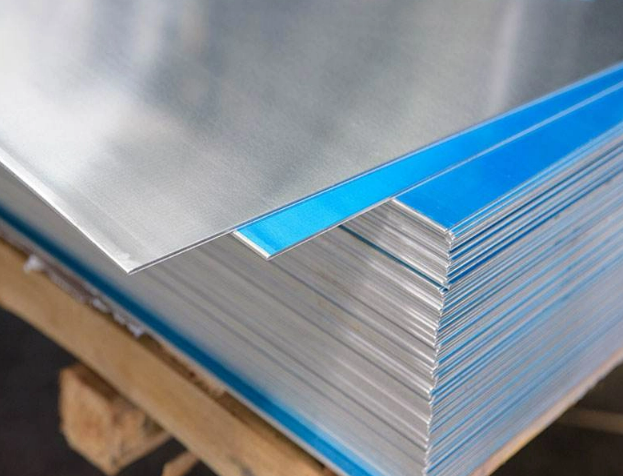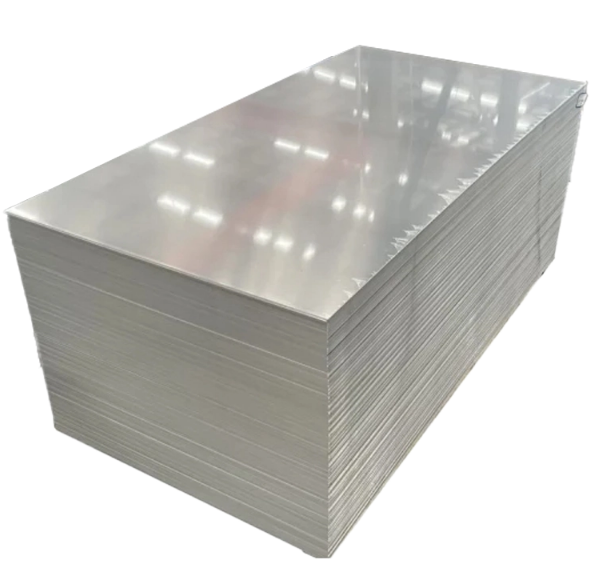
Aluminum sheets is widely used for construction, automotive, and décor. Its performance depends on surface finish. Anodized, color coated, and mirror finishes differ in durability and look. In this article, you will learn how these finishes interact with various aluminum grades for optimal results.
Understanding Aluminum Sheet Finishes
Overview of Anodized Finishes
Anodizing is an electrochemical process that converts the surface of aluminum into a durable oxide layer. This layer increases corrosion resistance, improves wear performance, and allows for vibrant color options. Anodized aluminum resists scratches better than untreated surfaces and maintains its appearance over time. The thickness of the anodic layer can be adjusted based on application requirements, enhancing its protective qualities.
Anodized aluminum is particularly effective in humid or corrosive environments. It provides excellent chemical resistance and prevents surface degradation. Anodizing also offers a uniform finish, ideal for projects requiring consistent aesthetics across multiple aluminum components.
Overview of Color Coated Finishes
Color coating, achieved through powder coating or liquid paint, provides aluminum sheets with a customizable visual appearance. Powder coating uses electrostatically charged powder particles that adhere to the metal and cure to form a seamless finish. Liquid paints provide similar protection but may require multiple layers for durability.
Color coated finishes are highly resistant to UV degradation, chemicals, and corrosion, making them suitable for both indoor and outdoor use. They allow designers to achieve a wide range of hues and textures while providing protective benefits.
Overview of Mirror Finishes
Mirror finishes involve bright dipping or extensive polishing, creating highly reflective surfaces. This process enhances the visual appeal of aluminum components, giving them a premium, luxurious look. Mirror finishes are commonly used in decorative, signage, and display applications where aesthetic impact is a priority.
While visually striking, mirror finishes require careful maintenance to prevent scratches and fingerprints. They are best applied to alloys capable of sustaining polishing processes without compromising structural integrity.
Comparing Surface Finish Durability
When comparing anodized, color coated, and mirror finishes, each provides unique protection levels. Anodized surfaces excel in corrosion resistance and wear prevention. Color coated finishes resist chemical damage and UV degradation. Mirror finishes prioritize aesthetics but may be prone to minor surface scratches if exposed to heavy wear.
Finish Type | Corrosion Resistance | Wear Resistance | Aesthetic Appeal | Maintenance Level |
Anodized | High | High | Medium | Low |
Color Coated | Medium-High | Medium | High | Medium |
Mirror | Medium | Low-Medium | Very High | High |
Interaction Between Aluminum Grades and Finishes
5000 Series Aluminum Sheet
5000 series aluminum sheets are renowned for high corrosion resistance, particularly in marine or humid environments. These alloys work exceptionally well with anodized or color coated finishes, further enhancing their durability. They maintain structural integrity while offering aesthetic flexibility when coated.
Tip: For exterior applications exposed to saltwater or humidity, pair 5000 series aluminum with anodized or color coated finishes.
6000 Series Aluminum Sheet
The 6000 series offers strong structural performance and a smooth surface suitable for decorative applications. Color coating maximizes visual appeal, while mirror finishes create a premium reflective surface. This series balances aesthetics and performance, making it versatile for construction and consumer products.
Annotation: Mirror finish aluminum sheet comparison reveals that 6000 series performs well under polishing without sacrificing mechanical properties.
7000 Series Aluminum Sheet
7000 series aluminum sheets are high-strength alloys often used in heavy-duty or structural applications. They require precise finishing processes to avoid compromising surface integrity. Anodizing can protect against corrosion, but excessive polishing may reduce wear resistance if not properly controlled.
Tip: Match 7000 series aluminum with finishes that maintain surface strength for load-bearing applications.
Matching Finish to Alloy Properties
Choosing the right finish involves understanding alloy hardness, ductility, and thermal behavior. Softer alloys may dent or scratch under mirror finishing, whereas harder alloys tolerate anodizing better. Thermal expansion and contraction can also affect adhesion of color coatings, making compatibility critical.
Alloy Series | Recommended Finish | Key Considerations |
5000 | Anodized / Color Coated | Corrosion resistance, humid climates |
6000 | Color Coated / Mirror Finish | Aesthetic appeal, smooth surface |
7000 | Anodized / Light Polishing | High strength, wear protection |
Aesthetic Considerations for Aluminum Sheet Finishes
Color Options and Consistency
Anodized and color coated aluminum finishes offer a wide variety of color options to meet design and branding requirements. Anodized surfaces maintain long-term color stability due to electrochemical integration, preventing fading or uneven tones over time. Powder-coated sheets provide uniform coverage and flexibility, allowing precise color matching across multiple panels. These finishes are particularly useful for large-scale architectural or decorative projects where consistency and visual impact are critical. Choosing the right color system also helps maintain aesthetic appeal under varying lighting and environmental conditions.
Reflectivity and Visual Impact
Mirror finishes create exceptionally high reflectivity, providing a striking visual effect ideal for decorative panels, signage, and premium interior elements. Satin finishes offer more subtle reflections, balancing shine and understated elegance, which is suitable for commercial interiors or functional applications requiring moderate gloss. The choice of finish impacts how light interacts with the surface, affecting perception of depth, brightness, and overall appeal. Designers must consider ambient light, placement, and user interaction when selecting between reflective or satin surfaces to achieve the intended aesthetic outcome.
Texture and Tactile Experience
Surface texture affects both the look and feel of aluminum sheets. Smooth finishes, such as mirror or polished anodized surfaces, create a premium tactile sensation but may show fingerprints and minor scratches more easily. Textured powder-coated finishes hide wear, reduce glare, and provide slip resistance for functional surfaces. The choice of texture should align with the application’s operational needs, aesthetic goals, and user interaction, ensuring that the sheet’s surface enhances usability while maintaining a professional, visually consistent appearance.
Long-Term Appearance Maintenance
Maintenance considerations are crucial when selecting aluminum finishes. Anodized and color coated surfaces are relatively low-maintenance, resisting stains, fingerprints, and environmental wear, making them ideal for outdoor or high-use areas. Mirror finishes require periodic cleaning and polishing to retain their reflective quality, particularly in high-traffic or exposed environments. Understanding the ease of maintenance helps designers and facility managers plan for long-term upkeep, ensuring that the visual and functional quality of aluminum panels remains consistent throughout their lifecycle.

Performance and Functional Advantages
Corrosion Resistance
Anodized aluminum provides the highest corrosion resistance, making it ideal for marine, industrial, and outdoor applications exposed to moisture, salt, or chemicals. Color coated finishes offer moderate protection, sufficient for urban or controlled environments, while mirror finishes prioritize aesthetics over long-term durability. Selecting a finish requires assessing environmental exposure, potential chemical contact, and moisture levels. Properly matched aluminum grade and surface treatment significantly extend service life, reduce repair costs, and maintain structural integrity under demanding conditions.
Thermal and Electrical Conductivity
Surface finishes can subtly influence aluminum’s thermal and electrical properties. Anodized layers provide a thin insulating oxide barrier, while powder coatings may slightly reduce heat transfer efficiency. Mirror finishes generally have minimal impact on conductivity but require compatibility with alloy properties for electronics, HVAC systems, or heat-sensitive applications. Understanding how finishing affects performance ensures aluminum sheets meet both functional and aesthetic requirements, especially for industrial, electronic, or energy-efficient applications.
Impact on Mechanical Strength
Finishes may impact tensile strength and fatigue resistance. Hard anodizing adds a protective surface layer without reducing the underlying alloy’s mechanical properties, maintaining performance under structural or load-bearing conditions. Powder coatings are largely non-intrusive but thick layers may slightly alter edge tolerances. Heavy polishing for mirror finishes can thin surface layers on softer alloys, potentially affecting fatigue life. Selecting finishes that preserve mechanical integrity while delivering desired visual and functional properties is critical for durable aluminum components.
Maintenance and Longevity
Ease of cleaning and potential for re-finishing are important factors for aluminum sheet longevity. Anodized and powder-coated sheets resist dirt, grime, and UV degradation, minimizing maintenance requirements over time. Mirror finishes deliver striking aesthetics but may demand regular polishing to maintain reflectivity, particularly in high-contact areas. Proper maintenance planning ensures the aluminum retains both functionality and appearance, optimizing lifecycle value and reducing operational costs for commercial or industrial installations.
Cost and Lifecycle Considerations
Initial Material and Finishing Costs
Anodizing typically involves moderate upfront costs, balancing durability and appearance. Powder coating may be more expensive depending on thickness, color complexity, or surface preparation. Mirror finishing requires skilled labor and careful handling, increasing initial investment. Cost assessment should consider both upfront expenditures and long-term benefits, as higher initial costs may be offset by reduced maintenance, longer lifespan, and improved visual impact.
Maintenance and Replacement Costs
Durable finishes reduce long-term expenses by minimizing repainting, repairs, or panel replacement. Anodized and high-quality powder-coated sheets offer optimal lifecycle value for applications exposed to the elements or frequent use. Mirror finishes, while visually impressive, may increase operational costs if maintenance is not adequately planned, especially in high-traffic areas or exterior environments.
Value over Lifecycle
Balancing aesthetics, performance, and cost ensures maximum return on investment. Considering exposure conditions, frequency of use, and required visual appeal helps determine the most suitable finish. Optimal selection reduces lifecycle costs while maintaining both functionality and appearance for aluminum sheet applications.
Selecting Cost-Effective Combinations
Pairing appropriate aluminum grades with compatible finishes maximizes value. For example, 5000 series aluminum with anodized or color coating ensures durability and corrosion resistance at a moderate cost. Similarly, 6000 series with mirror or powder-coated finishes enhances visual appeal while maintaining structural performance. Thoughtful pairing of alloy and finish type ensures that projects meet both budgetary and performance requirements without compromising aesthetics.
Industry Applications of Aluminum Sheet Finishes
Architectural and Decorative Uses
Color coated and mirror finishes are widely used in architectural facades, interior panels, and signage. These finishes provide corrosion resistance, vibrant aesthetics, and durability for long-term visual impact. Aluminum sheets allow designers to implement bold color schemes, reflective surfaces, or subtle metallic accents while ensuring structural integrity. Choosing the right finish supports both design intent and functional performance in commercial, institutional, or residential projects.
Refrigeration and Cold Storage
5000 and 6000 series aluminum sheets, paired with corrosion-resistant finishes, protect equipment and surfaces in humid, cold, or chemically aggressive environments. Powder coating and anodizing enhance resistance to moisture, prevent pitting, and improve longevity. These finishes ensure aluminum components maintain cleanliness, hygiene, and appearance under demanding refrigeration conditions.
Transportation and Automotive Applications
High-strength aluminum sheets with durable coatings are essential for automotive frames, body panels, and structural components. Color coatings enable branding, aesthetic differentiation, and corrosion protection, while anodized finishes provide additional wear resistance and surface longevity. Properly finished aluminum reduces vehicle weight while maintaining strength, safety, and visual appeal.
Electronics and Industrial Components
Anodized aluminum enhances thermal and electrical performance, making it suitable for electronics housings and industrial machinery. Mirror finishes add premium aesthetics for visible components or consumer-facing applications. Finishing precision ensures compatibility with industrial specifications and prevents performance degradation due to environmental exposure, wear, or chemical interaction.
Installation, Fabrication, and Handling Tips
Cutting and Machining Considerations
Aluminum finishes influence workability. Anodized surfaces resist scratching but may require careful tool selection to avoid chipping or edge damage. Powder-coated sheets need precise cutting to prevent coating delamination, while mirror finishes demand gentle handling to maintain reflectivity. Proper planning of cutting, machining, and finishing sequences preserves both structural integrity and appearance.
Welding and Joining Aluminum Sheet
Certain coatings can interfere with welding or adhesion. Anodized surfaces may need localized removal in weld zones to achieve strong joints. Powder coatings may require pre-cleaning, and mirror finishes must be protected to prevent surface damage during heat application. Following recommended procedures ensures consistent welding quality without compromising finish performance.
Surface Protection During Installation
Temporary protective films and careful handling prevent scratches, oxidation, or contamination. Gloves reduce fingerprint deposits, particularly for mirror finishes, and soft support surfaces protect edges and corners during transport or positioning. Adequate preparation helps maintain both aesthetic quality and long-term durability.
Panel Layout and Fastening Best Practices
Uniform fastening and proper alignment preserve surface appearance, prevent deformation, and ensure consistent visual results. Pre-drilled holes, torque-controlled fasteners, and protective washers minimize stress on finished surfaces. Planning layout sequences and installation steps reduces the risk of damage, maintaining both functionality and aesthetics.
Conclusion
Choosing the right Aluminum Sheet finish balances durability, look, and cost. Anodized, color coated, and mirror finishes offer unique benefits for different aluminum grades. Yuqi Metal Material Co.,Ltd provides high-quality sheets that enhance corrosion resistance, aesthetics, and mechanical performance. Their products ensure long-term value and reliable performance for diverse applications.
FAQ
Q: What is the difference between anodized and color coated Aluminum Sheet?
A: Anodized aluminum vs color coated offers different protection and aesthetics. Anodized provides corrosion resistance, while color coated allows vibrant, uniform colors.
Q: How do mirror finishes compare to other Aluminum Sheet finishes?
A: Mirror finish aluminum sheet comparison shows high reflectivity and visual appeal, ideal for decorative applications, unlike anodized or color coated finishes which focus on durability.
Q: Which Aluminum Sheet finish types suit outdoor use?
A: Anodized and color coated finishes are best for outdoor environments due to corrosion resistance and UV protection.
Q: How do Aluminum grades affect finish compatibility?
A: Aluminum grades and finish compatibility determine which finish maintains durability and appearance, e.g., 5000 series pairs well with anodized or color coating.
Q: Why choose anodized over mirror finishes for industrial projects?
A: Anodized aluminum sheets offer higher corrosion resistance and lower maintenance compared to mirror finishes, making them suitable for harsh conditions.
Q: Are there cost differences between finishes?
A: Mirror finishes require more labor and maintenance, whereas anodized and color coated Aluminum Sheet provide cost-effective longevity.