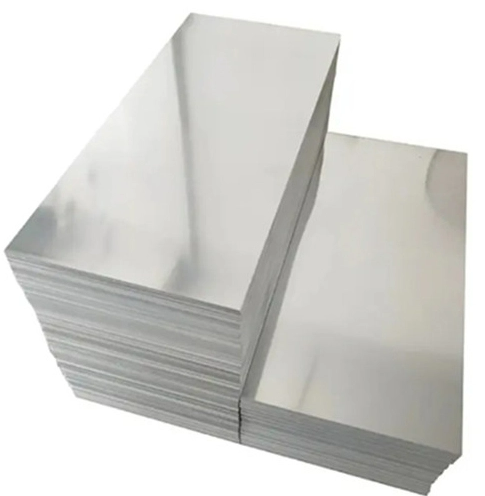
Choosing the best aluminum alloy for many uses needs a clear plan. You should think about what your project needs. You also need to check what each aluminum type can do. There are many things to consider. You must balance strength, machinability, corrosion resistance, and heat treatment.
Factor | Description |
Strength | How well the material can handle force without breaking. |
Heat Treatment | Changes how strong and hard the material is. |
Machinability | How easy it is to shape the material into exact parts. |
Corrosion Resistance | How well the material can avoid damage from the environment. |
Yuqi Metal makes real products like aluminum panels and tubes. Picking the right alloy helps make strong and safe parts.
Key Takeaways
Think about what your project needs before picking an aluminum alloy. Look at things like strength, corrosion resistance, and how easy it is to machine.
Pick the right alloy series for your use. For example, 6061 works for many jobs. 7075 is best when you need high strength.
Check the environment where you will use the aluminum. Humidity and temperature can change how well it works and how long it lasts.
Think about how you will make the part when choosing an alloy. Some alloys are easier to machine or weld. This can help make production faster.
Ask experts or suppliers like Yuqi Metal for advice. Their help can guide you to good choices and save you from expensive mistakes.
![A Step-by-Step Guide to Selecting Aluminum Alloys for Multi-Purpose Parts]()
Why Aluminum Alloy Selection Matters
Performance and Durability
You want your parts to work well and last a long time. Picking the right aluminum alloy helps you do this. The best material keeps your parts strong and safe. It also stops them from getting damaged as time goes on. The table below shows how each property changes how aluminum parts work and last:
Property | Impact on Performance and Durability |
Strength | Makes sure parts can handle stress and weight. |
Corrosion Resistance | Stops parts from getting ruined by the environment. |
Machinability | Makes it easier to make parts, so costs go down. |
Durability | Helps parts survive tough use and last longer. |
Aluminum is strong but not heavy. You can use it for many things. If you pick the right alloy, your parts will not rust and will last longer. This matters for things like refrigeration panels and tubing coils.
Balancing Multiple Needs
Your aluminum parts often need to do more than one thing. You may want them to look nice, stay strong, and not wear out fast. Choosing the right aluminum alloy helps you meet these needs. If you pick the wrong one, you can have problems. Here are some issues that can happen if you do not choose the right material:
Medical devices, like total ankle arthroplasty, may not work well if the alloy is wrong.
Aluminum in soft tissues and bone near implants can cause local toxicity.
Aluminum and vanadium together can cause health problems, like Alzheimer’s disease and osteomalacia.
Welded joints in aluminum-lithium alloys may only be 60% as strong as the main material.
Weak spots can form in welded areas if the alloy does not get stronger.
You should think about what each part does and where it will be used. Picking the right material helps you avoid these problems. Aluminum can be used for many things, but you must choose the right alloy for your needs. This makes sure your parts work well and last a long time.
Define Requirements
Mechanical Properties
Before you pick an aluminum alloy, check how it performs. Mechanical performance shows if your part is strong and tough. You want your part to last and work well. Here are some things to think about:
Aluminum does not rust easily. This keeps your part safe in tough places.
Some grades, like 6061, are very strong. You can use them for many jobs.
The 6000 series alloys, like 6061, are easy to weld. You can join parts without trouble.
Aluminum alloys are simple to machine. This lets you make parts faster.
Adding magnesium and silicon makes shaping easier.
Match the alloy’s mechanical performance to your project. If you need strong parts, pick a high-strength alloy. If you want parts that do not rust, choose one with good corrosion resistance.
Physical and Environmental Factors
Think about where your aluminum part will be used. Heat and moisture can change how your part works. The table below shows what happens to fracture toughness in different conditions:
Environmental Condition | Observed Effect on Fracture Toughness | Additional Notes |
80 °C, 50% Humidity | Slight decrease in fracture toughness | Crack path away from oxide region |
80 °C, 70% Humidity | Significant decrease in fracture toughness | Dimple cracks without oxide layer |
80 °C, 90% Humidity | Stable fracture toughness values | Precipitation observed |
20 °C to 80 °C, 50% to 90% Humidity | Nonlinear mechanical behavior | Formation of dimples and cracks indicates plastic deformation |
Increased Humidity | Formation of micro-voids leading to hydrogen embrittlement | Reduced fracture toughness and increased crack propagation |
Thermal Cycling | Induces internal stresses affecting dimensional stability | Nonlinear variation in tolerance due to expansion and contraction |
Pick an aluminum alloy that can handle the place it will be used. If your part faces heat or water, choose an alloy that stays strong.
Machinability and Processing
Cnc machining shapes aluminum into detailed parts. You want an alloy that works well with cnc machining. The table below shows what to think about:
Factor | Description |
Choice of machining process | The cnc machining type changes how fast and smooth your part is made. |
Intrinsic properties of alloy | The alloy’s series and temper change hardness and strength. This affects chip making and cnc machining work. |
Material processing methods | Steps like extrusion or casting change density and grain. This affects tool wear during cnc machining. |
Alloy selection | Alloys like A6061, A6042, and A6262 act differently in cnc machining. This changes chip control. |
Tooling considerations | The tool’s material and shape matter for cnc machining. Good tools lower heat and help cnc machining. |
Surface finish and chip formation | These change cnc machining speed and how your part looks. |
Pick an aluminum alloy that fits your cnc machining needs. If you want a smooth part, choose an alloy that makes good chips. If you need fast work, pick one that is easy to machine with cnc machining.
Aluminum Alloys Overview
Alloy Families
Aluminum alloys are sorted into different families. Each family has its own special features. The table below lists the main alloy series and what makes them different:
Alloy Series | Key Properties |
1xxx Series | Great conductivity, soft, easy to bend, resists rust |
3xxx Series | Medium strength, resists rust, easy to shape |
5xxx Series | Very strong, resists rust, easy to weld |
6xxx Series | Can be heat-treated, easy to machine, strong and bendable |
7xxx Series | Super strong, less rust resistance, not easy to weld |
6061 and 6082 are good for parts that need to be strong and light. 6063 is used for frames and building shapes. 7075 is picked for jobs that need a lot of strength, like airplanes. When you pick an aluminum alloy, think about what matters most. Do you need strength, rust resistance, or easy shaping?
Tip: Wrought alloys are made by rolling or squeezing. Cast alloys are made by pouring melted aluminum into a mold. Wrought alloys are stronger and easier to work with. Aluminum casting is good for making tricky shapes and works well for casting.
Common Alloying Elements
You can change how aluminum alloys act by adding other elements. The table below shows how some elements change strength and rust resistance:
Alloying Element | Key Effects on Strength and Corrosion Resistance |
Copper | Makes it stronger, helps with heat treatment |
Magnesium | Makes it stronger, keeps it bendy and rust-resistant |
Zinc | Gives high strength, works well with magnesium |
Noble intermetallic particles in aluminum alloys help stop rust.
Electrolyte solutions can start rust, but noble particles slow it down.
Designation System
Aluminum alloys have a four-digit number to tell them apart. Each series uses a main element. The table below explains the system:
Alloy Series | Predominant Alloying Element | Description |
1xxx | Aluminum (99.00% or more pure) | Very pure aluminum |
2xxx | Copper | Alloys with copper |
3xxx | Manganese | Alloys with manganese |
4xxx | Silicon | Alloys with silicon |
5xxx | Magnesium | Alloys with magnesium |
6xxx | Magnesium and Silicon | Alloys with both |
7xxx | Zinc | Alloys with zinc |
8xxx | Other elements | Alloys with other things |
9xxx | N/A | Saved for new types later |
You will see these numbers on things like aluminum casting parts, panels, and coils. If you want good casting, pick alloys made for aluminum casting. Yuqi Metal has aluminum alloys for both wrought and casting uses.
Compare Aluminum Alloy Properties
Strength and Weight
You want your parts strong but not heavy. Aluminum is strong for its weight. This means you get tough parts that are still light. Aluminum is used for many building parts. The table below shows how some alloys compare:
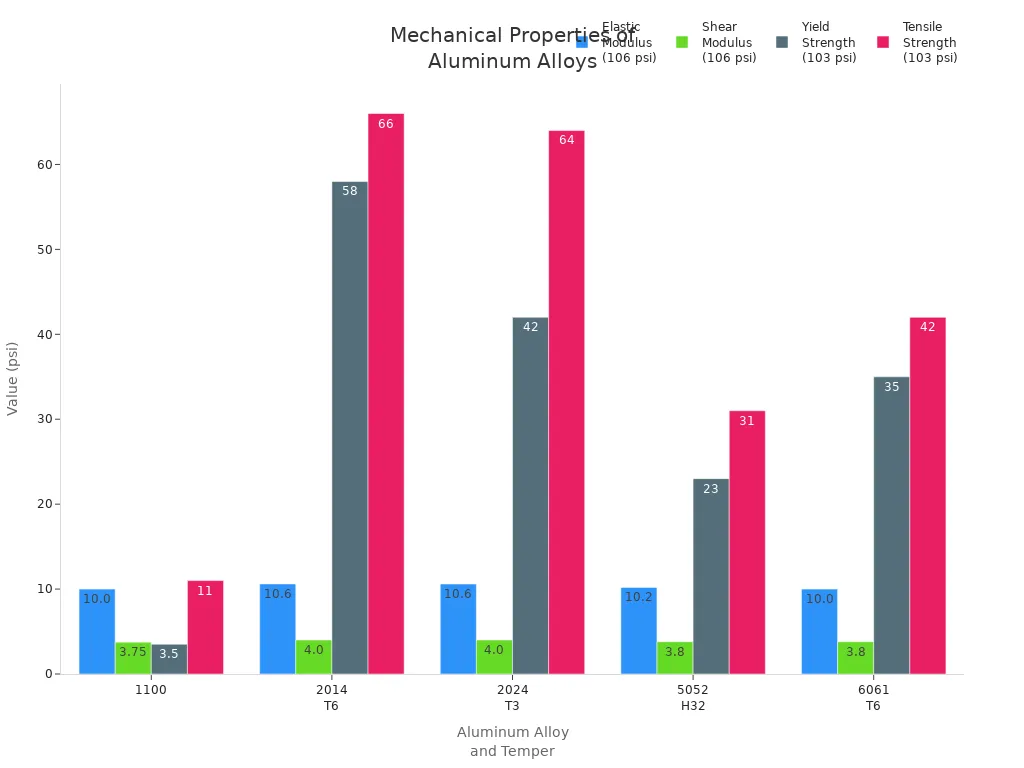
Alloy | Density (g/cm³) | Tensile Strength (MPa) | Yield Strength (MPa) | Strength-to-Weight Ratio |
6061 | 2.7 | 310 | 276 | Good |
6063 | 2.7 | 205 | 145 | Moderate |
7075 | 2.81 | 572 | 503 | Excellent |
6061 and 6063 are light and easy to shape. 7075 is much stronger, so it is used for hard jobs. Yuqi Metal makes coil strips and tubing coils with these alloys. You get strong and safe parts for your projects.
Corrosion Resistance
You want your parts to last in tough places. Corrosion resistance keeps aluminum safe from water and air. The table below shows how alloy series do in salty water:
Alloy Series | Corrosion Resistance in Marine Environments |
5xxx | Good resistance against general and localized corrosion in seawater and chloride solutions |
6xxx | Lower resistance to localized corrosion compared to 5xxx |
5xxx series alloys last longer in wet or salty places. 6xxx series alloys are good for boats and indoor things. The next table shows how much strength drops after ten years:
Alloy Series | Tensile Strength Reduction (%) in 10-Year Tests |
5xxx | 2 to 5% decrease |
6xxx | 5 to 7% decrease |
Yuqi Metal’s hydrophilic aluminum foil and embossed sheet coils resist corrosion well. You can use them for fridges, heat exchangers, and energy-saving buildings.
Workability
You want to shape aluminum without problems. Workability means you can cut, bend, and join it easily. The table below compares workability for common alloys:
Alloy | Workability Rating | Characteristics |
Aluminium 6082-T651 | Excellent (O temper), Good (T4 temper) | Great for CNC machining, high corrosion resistance, used in many ways. |
Aluminium 7075-T7351 | Moderate | Very strong, good for planes and cold places. |
Aluminium 2024-T351 | Good | Handles repeated stress, good for tension parts. |
Aluminium 5083-H111 | Good | Resists corrosion, strong for welding, high fatigue strength. |
Aluminium 7075-T651 | Good | Good mix of properties for planes, light and strong. |
Aluminium casting 3000 series | Moderate | Used for many things, easy to form and work with. |
6082-T651 is great for CNC machining and smooth finishes. 5083-H111 is good for welding and resists corrosion. Yuqi Metal’s color coated coils and embossed sheet coils are easy to shape. You can use them for decoration, building, or making things.
Tip: Pick an alloy with high workability if you need detailed shapes or fast production.
Cost Factors
You want good parts but also want to save money. Some alloys cost more because they are stronger or resist corrosion better. The table below helps you compare:
Alloy | Relative Cost | Strength-to-Weight Ratio | Corrosion Resistance | Workability |
6061 | Moderate | Good | Good | Excellent |
6063 | Low | Moderate | Good | Excellent |
7075 | High | Excellent | Moderate | Good |
5083 | Moderate | Good | Excellent | Good |
6063 is a good pick if you want to save money and still get good parts. 7075 costs more but is very strong for its weight. Yuqi Metal’s mill finish coils and tread plates are good for many uses and save money.
Note: Always match your budget with your project needs. You can find the right balance by comparing strength, weight, corrosion resistance, and workability.
You can use aluminum alloy for many things. You get strong, light, and rust-resistant parts. Yuqi Metal gives you products that fit your needs for strength, weight, and lasting a long time.
Match Alloys to Applications
Prioritizing Needs
You have to pick the right aluminum alloy for your project. First, write down what is most important for your job. Every use has its own needs. Some need to be very strong. Others need to fight rust or be easy to shape. You should check the main things before you choose. The table below shows what to think about for each use:
Criteria | Description |
Material Availability | How easy it is to get the alloy. This changes how fast you can start and how much it costs. |
Cost | The price of the alloy. This helps you balance quality and money for your project. |
Desirable Properties | Things like fighting rust, being easy to shape, weld, or being strong. These help your project work well. |
Heat Treatment | If you can use heat to make the alloy stronger and last longer. |
End-Use Applications | How you will use the alloy. This helps you pick the best features for your project. |
Tip: Write your top three needs for your project. This helps you focus on what matters most when picking aluminum alloys.
You can use this table to compare alloys for your job. For example, if you need to work fast, pick an alloy that is easy to get. If your project will be in wet places, pick one that fights rust well.
Trade-Offs
When you pick aluminum alloys, you often have to choose between things. You may want both strength and rust resistance, but not all alloys give you both. For example, the 5xxx series, like 5083, is good for wet places because it fights rust. But these are not as strong as the 7xxx series, like 7075, which is used for planes because it is very strong. This means you must pick what matters more for your job. If your project needs to hold heavy things, pick a stronger alloy. If it will be around water or chemicals, pick one that fights rust better.
Always think about what your project needs most. Ask if it needs to last longer, look nice, or stay strong under stress. Make a list of what you can give up and what you cannot. This helps you find the best aluminum alloy for your job.
Note: Every project is different. You may need to try a few alloys to see which one works best for your job.
Manufacturing and Cost
Fabrication Methods
There are many ways to shape aluminum for your project. Each way works best for different jobs. If you want strong parts fast, pick the right method. Here are some top ways to make high-strength aluminum alloys:
CNC Machining: Use this when you need exact sizes and flexible shapes.
Extrusion: Pick this for making long, straight pieces quickly.
Sheet Metal Fabrication: This is good for flat or bent aluminum parts.
Casting: Choose this for tricky shapes and making many parts at once.
Forging: This gives you the strongest and toughest aluminum parts.
Pick the best way based on your part’s shape, strength, and how many you need. For example, Yuqi Metal uses extrusion and sheet metal fabrication. They make aluminum coil strips and embossed panels this way. These methods help you get strong and low-cost results.
Tip: Always match your way of making parts to your design and how many you need. This helps you save time and money.
Heat Treatment and Finishing
Heat treatment changes how aluminum acts. You can make it stronger, harder, or more bendy. The 6xxx series gets better with boundary strengthening, work hardening, and age hardening. The 7xxx series uses zinc and gets very strong after heat treatment. You often see these alloys in planes and parts that take a lot of stress. When you use aging and precipitation hardening, you make the aluminum stronger inside and out.
Finishing steps are important too. You can add coatings or embossing to protect the surface and make it look nice. For example, Yuqi Metal has color coated aluminum coils and embossed aluminum sheet coils. These finishes help your parts fight rust and last longer.
You should always think about both heat treatment and finishing. These steps help your aluminum parts work their best and keep costs down.
Special Requirements
Standards and Regulations
You need to follow rules for aluminum in cars and planes. These rules help keep people safe. They also make sure your parts work well. Some groups make these rules:
The Society of Automotive Engineers (SAE) makes AMS standards for aluminum in aerospace. These rules help your parts meet safety needs.
The Aluminum Association updates the Aluminum Standards & Data book. The 2024 edition has new info about alloy names and how strong they are.
Always check these rules before you pick an alloy. This helps you choose the best aluminum for your project.
Surface Treatments
You can help aluminum last longer by adding coatings. These coatings protect your parts from rain and salt. Here are some good choices:
Treatment Method | Description | Benefits |
Superhydrophobic Coating | Acts like a lotus leaf to keep water away | Makes 7075 alloy resist rust much better |
Rare Earth Element Coatings | Uses rare earth elements instead of old coatings | Helps aluminum fight rust and is safer for nature |
Polymer Coatings | Adds a layer with special chemicals | Gives strong protection against rust |
You can also use anodizing. This process makes the surface of aluminum tougher. Anodized aluminum does well in bad weather and salty air.
Tip: Pick the surface treatment that fits where you will use your aluminum part.
Joining Methods
There are many ways to join aluminum to other things. Each way works best for different jobs. Here is a quick guide:
Joining Method | Description |
Adhesive Bonding | Uses glue for strong joints; needs clean surfaces |
Mechanical Fastening | Uses bolts, nuts, or rivets; simple and cheap |
Brazing and Soldering | Joins aluminum to many materials, even ceramics |
Welding | Includes arc and friction stir welding; some alloys need special steps |
Pick the joining method that fits your part’s needs. Use adhesive bonding for smooth looks. Use mechanical fastening for easy repairs.
Final Aluminum Alloy Selection
Expert Consultation
It is smart to talk to experts before you choose. Experts help you pick the right aluminum for your project. They know how different alloys work for many uses. You can ask suppliers like Yuqi Metal for help. They have lots of products and know which alloys fit your needs.
Here are the main steps to follow when picking aluminum for important jobs:
Write down what you need your parts to do.
Think about how you will make and join the aluminum.
Check prices and see which suppliers can deliver fast.
Ask experts or suppliers for advice.
Tip: Yuqi Metal gives expert help and many choices. This makes picking aluminum easier and better.
Testing and Validation
You need to test your aluminum before using it. Testing makes sure your parts work as planned. There are different tests to check strength and safety.
Non-destructive testing finds hidden problems inside the aluminum.
Microstructural analysis checks if the grain is even.
Tensile testing shows how much force the aluminum can take.
Impact testing tells how well the material handles hits.
Corrosion testing checks how aluminum stands up to water or chemicals.
Fatigue testing shows how long the material lasts with repeated use.
Build a prototype and test it in real life. This helps you see how your parts work before making many. If you find problems, you can change the alloy or design.
Note: Testing helps you avoid mistakes. You get safer and better products.
Documentation
You must keep good records when you use aluminum alloys. Documentation helps you track each batch and proves you follow the rules. This is very important for jobs like aerospace or cars.
Requirement | Description |
Chemical composition | Shows what elements are in the alloy |
Mechanical properties | Lists strength, stretch, and hardness |
Heat number | Gives a special code for each batch |
Industry compliance | Proves the material meets important standards |
Record retention | Keeps reports for 5-10 years for checks |
Supplier certification | Shows you buy from certified suppliers |
Employee training | Teaches workers how to use and read records |
Keep all records for every batch you use. This helps you find problems and show your parts are safe.
Tip: Good records make your project safer and help you pass checks. Always work with certified suppliers like Yuqi Metal to get the right paperwork.
You can select the best aluminum for your project by following a clear process. Start by thinking about what your part needs, how you will make it, and your budget. Remember these important points:
Always match the aluminum alloy to your application and processing needs.
Know the mechanical properties and how they fit with your chosen method.
Use specific alloys for tasks like CNC bending, stamping, or welding.
To make confident choices, follow these steps:
Define your requirements for aluminum parts.
Match the alloy to your needs using a series guide.
Think about how you will shape or join the aluminum.
Test your aluminum in real use.
Ask experts, like those at Yuqi Metal, for advice.
With this guide, you can choose the right aluminum every time.
FAQ
What is the best aluminum alloy for general use?
You can choose 6061 aluminum for most projects. It offers good strength, easy machining, and strong corrosion resistance. Many industries use it for parts, panels, and frames.
How do I know if an alloy is good for outdoor use?
Check if the alloy resists corrosion. Alloys in the 5xxx and 6xxx series work well outside. You can use a table to compare corrosion resistance:
Alloy Series | Outdoor Use |
5xxx | Excellent |
6xxx | Good |
Can I weld all aluminum alloys?
You cannot weld every alloy easily. Alloys like 6061 and 5083 weld well. Alloys in the 7xxx series need special care. Always check the alloy’s welding properties before you start.
Why does the surface finish matter?
The surface finish protects your part and makes it look better. You can pick finishes like anodizing or color coating. These finishes help your part last longer and resist damage.
Should I ask an expert before choosing an alloy?
Yes! You get better results when you talk to experts. They help you match the right alloy to your needs. Suppliers like Yuqi Metal offer advice and product options.