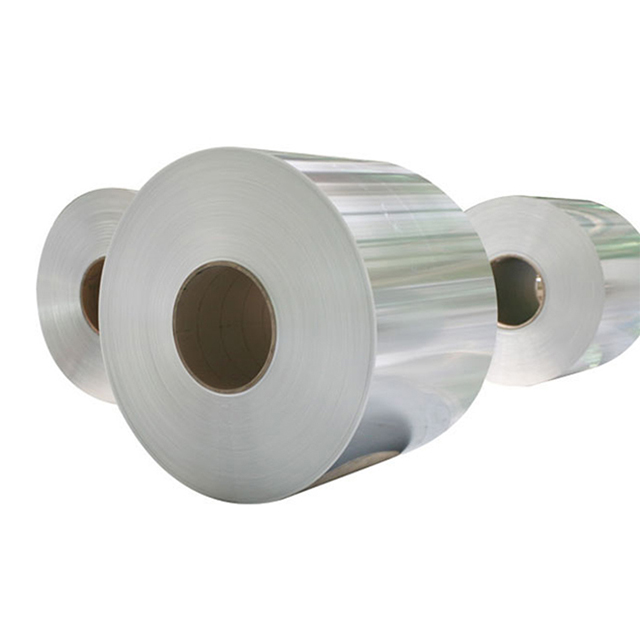
Imagine a building that combines strength, beauty, and sustainability. Aluminum coil makes this possible. But what exactly is aluminum coil, and why is it crucial in modern architecture? Aluminum coil is a lightweight yet durable material used extensively in architectural cladding. In this post, you'll learn about its role in enhancing building aesthetics and performance. We'll explore the best practices and case studies that showcase its transformative impact on contemporary structures.
Benefits of Using Aluminum Coil for Cladding
Lightweight and Strong
Aluminum coil stands out for being both lightweight and strong. It weighs about one-third of steel, which reduces the load on building structures. This makes installation faster, safer, and less costly. Despite its lightness, aluminum offers excellent strength and rigidity, supporting large panels without bending or warping. This balance helps architects and builders design sleek façades without compromising durability.
Corrosion Resistance
One of aluminum coil’s biggest advantages is its natural resistance to corrosion. It forms a thin oxide layer on its surface, protecting it from rust and weather damage. This makes it ideal for coastal, industrial, or humid environments where moisture and salt can cause rapid deterioration. Aluminum cladding maintains its appearance and structural integrity even after years of exposure to UV rays, rain, and pollution.
Aesthetic Versatility
Aluminum coils offer impressive design flexibility. They come in a wide range of finishes, including mill finish, anodized, and PVDF or FEVE coil coatings. These coatings provide vibrant, long-lasting colors and textures like metallic, wood grain, stone look, or matte finishes. Architects can customize colors and patterns to match any style, enhancing the building’s visual appeal. Plus, coil-coated aluminum panels have consistent color and gloss, ensuring uniformity across large surfaces.
Sustainability and Recyclability
Sustainability is a key benefit of aluminum coil cladding. Aluminum is 100% recyclable without losing quality, making it an eco-friendly choice. Using recycled aluminum reduces energy consumption by up to 95% compared to producing new metal. Many coil-coated aluminum products also meet green building certifications like LEED, contributing to sustainable construction goals. Choosing aluminum supports a circular economy and lowers environmental impact.
Note: Selecting aluminum coil with high-quality PVDF or FEVE coatings ensures long-term color retention and superior weather resistance, crucial for maintaining cladding performance.
")
Types of Aluminum Coil Coatings
Aluminum coil coatings play a crucial role in architectural cladding. They protect the metal, enhance its appearance, and extend its lifespan. Here, we explore the main types of coatings used on aluminum coils: PVDF/FEVE coatings, anodized aluminum coil, and the difference between powder coated and coil coated aluminum.
PVDF/FEVE Coatings
PVDF (Polyvinylidene Fluoride) and FEVE (Fluoroethylene Vinyl Ether) coatings are among the most popular finishes for aluminum cladding. These coatings provide exceptional resistance to weather, UV rays, and chemical exposure. They maintain vibrant colors and gloss for decades, making them ideal for exterior applications.
Durability: PVDF/FEVE coatings resist fading, chalking, and cracking.
Color Range: Wide palette including metallic, matte, and custom colors.
Application: Applied in a multi-coat, multi-bake process on a continuous coil coating line, ensuring uniform thickness and consistent quality.
Benefits: Non-combustible finishes, meeting stringent fire safety standards.
These coatings are perfect for projects requiring long-term performance and aesthetic appeal. For example, ALUCOLUX® panels use PVDF/FEVE coatings for superior durability and color retention.
Anodized Aluminum Coil
Anodizing is an electrochemical process that thickens the natural oxide layer on aluminum. This creates a hard, corrosion-resistant surface that enhances durability without adding paint.
Appearance: Provides a clear, translucent finish that highlights the metal's natural beauty.
Durability: Superior abrasion resistance; won't peel, chip, or flake.
Color Options: Can be dyed in a variety of shades for architectural design flexibility.
Weight: Adds minimal weight, preserving aluminum’s lightweight advantage.
Anodized aluminum is often used for facades, curtain walls, and interior panels where a natural metal look is desired. It offers a premium finish that outperforms many painted surfaces in wear resistance.
Powder Coated vs. Coil Coated Aluminum
These two coating methods differ in process, cost, and performance:
| Feature | Powder Coated Aluminum | Coil Coated Aluminum (Pre-Painted) |
| Process | Dry powder applied, then baked on after fabrication | Organic liquid coatings applied continuously on coil before fabrication |
| Durability | Excellent resistance to corrosion, chipping, scratching | High uniformity, excellent weather resistance, flexible coatings |
| Color Consistency | Slight variations possible due to batch process | Highly consistent color and gloss across entire coil |
| Flexibility | Less flexible; prone to cracking on bending/folding | More flexible; withstands forming without cracking |
| Cost | Generally higher due to batch process and materials | More cost-effective for large-scale production |
| Environmental Impact | Low VOCs, minimal waste | VOC capture systems reduce emissions; efficient process |
Powder coating suits projects needing thick, durable finishes but may be less flexible for complex shapes. Coil coating offers precise control, cost efficiency, and excellent flexibility, making it ideal for architectural cladding panels that require bending or folding during installation.
Tip: When selecting aluminum coil coatings, prioritize PVDF or FEVE finishes for long-term color retention and durability, especially in harsh environments or high-visibility projects.
Best Practices for Installing Aluminum Coil Cladding
Understanding Wind Load and Structural Stability
When installing aluminum coil cladding, understanding wind load is key. Wind load refers to the force exerted by wind on building surfaces. High-rise buildings and structures in windy areas face greater wind pressures. Aluminum panels must resist these forces without bending or detaching.
Structural stability depends on:
Manufacturers often provide permissible panel sizes based on expected wind loads. For example, ALUCOLUX® solid aluminum panels come with guidelines for maximum panel dimensions under various wind pressures. Panels supported on all four sides can handle higher loads and larger sizes. Ensuring the cladding system matches the wind load requirements prevents damage and extends lifespan.
Proper Installation Techniques
Correct installation ensures cladding performs well over time. Key techniques include:
Accurate Measuring and Cutting: Panels must be cut precisely to fit the design. Pre-coated aluminum coil allows for clean edges without damaging the coating.
Secure Fixing: Use appropriate fasteners and fixings that accommodate thermal expansion and contraction. Over-tightening can cause panel deformation.
Allow for Movement: Aluminum expands and contracts with temperature changes. Install clips or brackets that permit slight movement without stress.
Sealing and Weatherproofing: Proper sealing prevents water infiltration and protects the building envelope. Use compatible sealants that won’t degrade the coating.
Avoid Panel Damage: Handle panels carefully to avoid scratches or dents. Use soft padding during transportation and installation.
Following manufacturer instructions and industry standards is crucial. Engage experienced contractors familiar with aluminum cladding systems to reduce errors and delays.
Maintenance and Longevity
Aluminum coil cladding requires minimal maintenance but regular care maximizes its lifespan:
Routine Cleaning: Wash panels with mild detergent and water every 6-12 months to remove dirt, pollutants, and salt deposits.
Inspect for Damage: Check for loose fasteners, dents, or coating wear. Address issues promptly to prevent corrosion or water ingress.
Avoid Abrasive Cleaners: Use soft cloths or sponges. Harsh chemicals or abrasive tools can damage the coating.
Repaint or Touch-Up: If coatings fade or chip, apply compatible touch-up paint to maintain protection and appearance.
Prevent Water Traps: Ensure drainage paths remain clear to avoid moisture buildup behind panels.
With proper installation and maintenance, aluminum coil cladding can last 30 years or more, retaining its structural integrity and aesthetic appeal.
Tip: Always consult wind load data and panel size limits from your aluminum coil supplier before installation to ensure safe, durable cladding systems.
Case Studies of Aluminum Coil in Architectural Projects
Commercial Building Applications
Aluminum coil is a popular choice for commercial buildings due to its durability, aesthetic appeal, and ease of installation. For example, many office towers and shopping malls use pre-coated aluminum coil panels for their façades. These panels offer a sleek, modern look and come in various finishes like metallic, wood grain, or stone textures, giving designers great flexibility.
One notable case is the use of ALUCOLUX® solid aluminum panels in commercial buildings worldwide. These panels feature high-quality PVDF or FEVE coatings, ensuring long-term color retention and weather resistance. They are lightweight, which reduces structural load and speeds up installation. The panels also meet strict fire safety standards, classified as non-combustible (A1 rating), making them suitable for high-rise buildings.
Residential Projects
In residential architecture, aluminum coil cladding offers homeowners and builders a stylish, low-maintenance exterior option. Aluminum panels can be shaped into various profiles, such as shingles or flat panels, fitting both contemporary and traditional designs. Their corrosion resistance makes them ideal for coastal homes prone to salt air exposure.
For instance, residential developments often use anodized aluminum coils to achieve a natural metal finish that resists fading and scratching. The panels’ lightweight nature simplifies handling during installation, reducing labor costs. Custom colors and textures allow homeowners to personalize their homes while benefiting from durable, long-lasting cladding.
Industrial Plant Cladding
Industrial plants demand cladding materials that withstand harsh environments, including exposure to chemicals, dust, and moisture. Aluminum coil cladding meets these needs by offering excellent corrosion resistance and mechanical strength.
A case study from Hanchen Metal highlights an industrial plant using color-coated aluminum coil panels for wall cladding. The panels were 1 mm thick, balancing rigidity and ease of installation. Areas exposed to harsh chemicals received PVDF coatings for superior protection, while less exposed zones used PE coatings for cost efficiency. Custom RAL colors matched the plant’s branding, enhancing its professional image.
The prepainted aluminum coil panels provided a uniform, flat surface that resisted warping and maintained alignment over extensive wall spans. This resulted in a durable, low-maintenance cladding system that improved the facility’s aesthetics without compromising functionality.
Tip: When selecting aluminum coil for specific projects, match coating types and panel thicknesses to environmental exposure and structural demands to maximize durability and appearance.
Comparing Aluminum Coil to Other Cladding Materials
Aluminum vs. Steel Cladding
Aluminum and steel are common choices for architectural cladding, but they differ significantly.
Weight: Aluminum weighs about one-third as much as steel. This lighter weight reduces structural load and simplifies installation. Steel’s heaviness can require stronger support structures.
Corrosion Resistance: Aluminum naturally forms a protective oxide layer, making it highly corrosion-resistant without extra coatings. Steel, even galvanized or stainless, is more prone to rust and requires more maintenance in harsh environments.
Strength: Steel offers higher tensile strength and impact resistance. It suits projects needing heavy-duty protection or where structural strength is paramount.
Formability: Aluminum is easier to shape and bend due to its flexibility, allowing more complex designs. Steel is stiffer and may need special tools for forming.
Thermal Conductivity: Aluminum conducts heat better, which can affect energy efficiency and thermal expansion considerations.
Fire Resistance: Both metals are non-combustible, but steel retains strength better at high temperatures.
Cost and Performance Analysis
Initial Cost: Aluminum typically costs more upfront than steel. However, its lightweight nature can reduce transportation and installation expenses.
Maintenance: Aluminum’s corrosion resistance lowers maintenance costs over time. Steel may require periodic painting or treatment to prevent rust.
Durability: Aluminum panels with PVDF or FEVE coatings maintain appearance and function for decades. Steel can last long but risks corrosion damage in coastal or industrial settings.
Installation: Aluminum’s lighter weight and flexibility speed up installation, reducing labor costs. Steel’s rigidity may slow down complex projects.
Lifespan: Aluminum cladding often lasts 30-50 years with minimal upkeep. Steel’s lifespan varies widely based on coating and environment.
Environmental Impact
Recyclability: Both metals are highly recyclable. Aluminum recycling uses about 95% less energy than producing new aluminum, making it very eco-friendly.
Energy Consumption: Aluminum production is energy-intensive, but using recycled aluminum reduces the footprint significantly. Steel production also consumes energy but benefits from widespread recycling.
Sustainability Certifications: Aluminum coil products often contribute to green building certifications like LEED due to recyclability and low maintenance. Steel can also contribute but may require more upkeep.
VOC Emissions: Coil-coated aluminum uses processes that capture volatile organic compounds (VOCs), reducing air pollution compared to some steel coating methods.
Tip: When choosing between aluminum and steel cladding, consider project-specific factors like environmental exposure, structural needs, budget, and desired design flexibility to select the most cost-effective, durable, and sustainable material.
Future Trends in Aluminum Coil Cladding
Technological Advancements
Aluminum coil cladding benefits greatly from ongoing technological progress. Innovations in coating technology, such as enhanced PVDF and FEVE finishes, provide even better weather resistance and color longevity. These coatings now resist fading and chalking longer, reducing maintenance needs. Manufacturing processes have also improved, allowing more precise coil coating with consistent thickness and color uniformity. This precision supports larger panel sizes and complex shapes without sacrificing durability.
Moreover, digital fabrication techniques like CNC routing and laser cutting enable architects to create intricate designs and customized panel profiles. These methods improve accuracy and reduce waste, while maintaining the strength and flatness of aluminum panels. New alloys and temper options also offer better strength-to-weight ratios, making cladding lighter yet stronger.
Growing Demand in Sustainable Architecture
Sustainability drives much of the future demand for aluminum coil cladding. Aluminum’s recyclability and low environmental impact align well with green building standards like LEED and WELL. Recycled aluminum uses up to 95% less energy than primary production, reducing carbon footprints. Architects increasingly specify aluminum cladding for projects aiming at sustainability certifications.
In addition, manufacturers are developing low-VOC coil coating processes that minimize harmful emissions during production. These eco-friendly coatings still deliver excellent durability and aesthetics. The trend toward circular economy practices encourages reuse and recycling of aluminum panels at the end of their life cycle.
Customization and Design Flexibility
Designers seek greater freedom to express creativity through cladding materials. Aluminum coil cladding meets this need with a wide palette of colors, textures, and finishes. Beyond solid colors, manufacturers offer wood grain, stone, metallic, and embossed patterns that mimic natural materials without the drawbacks.
Customization extends to panel sizes and shapes, thanks to advanced coil coating and fabrication. Architects can specify made-to-measure or ready-to-install panels that reduce onsite labor and errors. Flexible coil coatings withstand forming and bending without cracking, allowing curved or folded façade elements.
Digital color matching and printing technologies also enable unique branding and artistic effects on aluminum cladding. This level of customization helps buildings stand out while maintaining durability and performance.
Tip: Stay updated on the latest coil coating and fabrication technologies to leverage aluminum cladding’s full potential in sustainable, customized architectural designs.
Conclusion: The Role of Aluminum Coil in Modern Architecture
Aluminum coil cladding offers architects lightweight strength, corrosion resistance, and aesthetic versatility. Its sustainability adds eco-friendly value. Looking ahead, technological advancements promise improved durability and design flexibility. As demand grows in sustainable architecture, aluminum coil's recyclability aligns with green building goals. Yuqi Metal provides innovative solutions in aluminum coil cladding, delivering high-quality products that enhance architectural designs. Their expertise ensures buildings benefit from durable, customizable cladding that meets modern standards.
FAQ
Q: What is an Aluminum Coil used for in architectural cladding?
A: Aluminum Coil is used in architectural cladding for its lightweight strength, corrosion resistance, and aesthetic versatility, making it ideal for sleek façades.
Q: How does Aluminum Coil compare to steel for cladding?
A: Aluminum Coil is lighter, more corrosion-resistant, and easier to shape than steel, reducing structural load and simplifying installation.
Q: Why choose Aluminum Coil for coastal buildings?
A: Aluminum Coil naturally resists corrosion, making it suitable for coastal environments where salt and moisture can cause rapid deterioration.
Q: What are the cost benefits of using Aluminum Coil?
A: While Aluminum Coil may have a higher initial cost, its lightweight nature reduces transportation and installation expenses, and its durability lowers maintenance costs over time.


