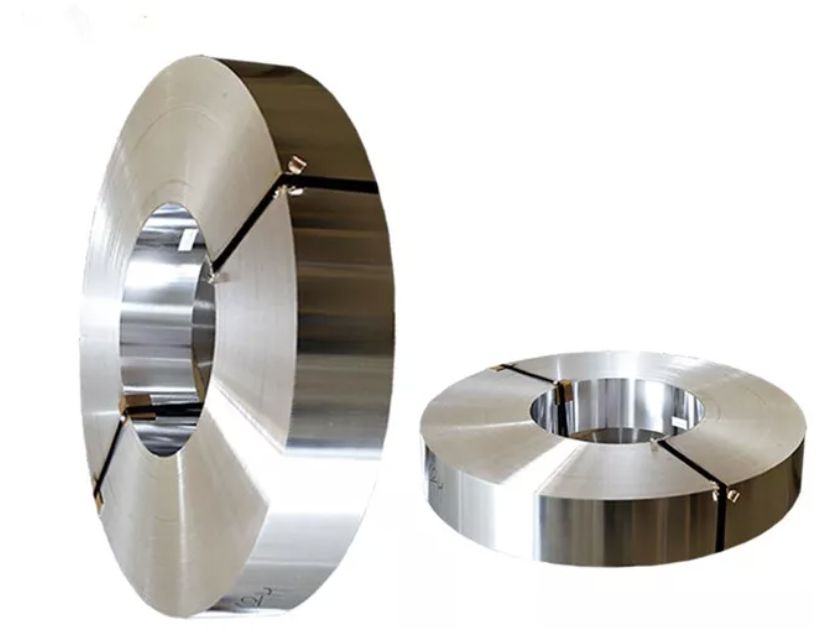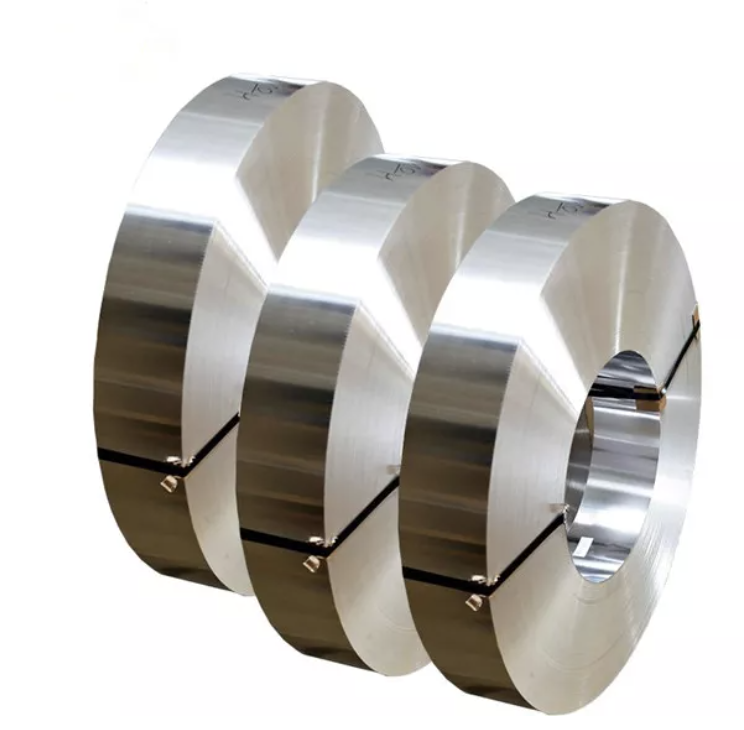
Managing the procurement and processing of Aluminum Coils is often a balancing act between speed, cost, and precision. If you have ever been on a factory floor when a new shipment of Aluminum Coils arrives, you know that the atmosphere is filled with both anticipation and a bit of anxiety. Why? Because the quality of those Aluminum Coils determines whether the day will be a success or a series of expensive technical failures. In the world of metal fabrication, Aluminum Coils are the lifeblood of production, but they are not always perfect. As an experienced operator, I have seen how a single batch of defective Aluminum Coils can derail a week of progress.
When we talk about an analysis of Common Quality Defects of Aluminum Coils, we are looking for more than just surface-level scratches. We are looking for the hidden flaws in Aluminum Coils that affect structural integrity, coating adhesion, and mechanical performance. This guide is designed to help you identify these Aluminum Coils issues early. By understanding the common defects of Aluminum Coils, you can better communicate with your suppliers and ensure that the Aluminum Coils you receive are fit for your specific application. Let’s dive into the complexities of Aluminum Coils quality.

Surface Quality Issues and Aesthetic Irregularities in Aluminum Coils
The most immediate defects you will notice are surface-level. However, do not let the term "surface" fool you; for many industries, the surface of Aluminum Coils is the most important part. If Aluminum Coils are intended for high-end architectural panels or consumer electronics, any surface flaw in the Aluminum Coils makes them unusable.
Scratches and Physical Abrasions on Aluminum Coils
Scratches are perhaps the most common defect found on Aluminum Coils. These physical marks on the Aluminum Coils usually occur during the rolling process or during the handling of the Aluminum Coils in the warehouse. Scratches on Aluminum Coils can be deep or shallow, but they all compromise the protective oxide layer of the Aluminum Coils. In my experience, deep scratches on Aluminum Coils often lead to localized corrosion. If the Aluminum Coils are to be painted, scratches on the Aluminum Coils will show through the coating, ruining the finish of the Aluminum Coils.
Oil Stains and Residual Lubricants on Aluminum Coils
During the manufacturing of Aluminum Coils, rolling oil is used to reduce friction and heat. If this oil is not completely removed from the Aluminum Coils during the cleaning and annealing phases, it leaves stains. Oil stains on Aluminum Coils appear as yellow or dark patches on the Aluminum Coils surface. This is a major issue for anyone using Aluminum Coils for food packaging or for Aluminum Coils that require painting. Paint will not adhere to oily Aluminum Coils, leading to peeling. Furthermore, residual oil on Aluminum Coils can go rancid, creating odors that make the Aluminum Coils unsuitable for sensitive applications.
Surface Corrosion and White Rust on Aluminum Coils
Aluminum Coils are naturally resistant to rust, but they can suffer from oxidation when exposed to moisture. This is often called "white rust" on Aluminum Coils. It appears as powdery white spots on the Aluminum Coils. Corrosion on Aluminum Coils typically happens when the Aluminum Coils are stored in a humid environment or if condensation forms between the layers of the Aluminum Coils. Once corrosion starts on Aluminum Coils, it is difficult to stop. Corroded Aluminum Coils are often rejected for architectural projects because the white spots on the Aluminum Coils ruin the aesthetic uniformity.
Structural and Dimensional Defects in the Aluminum Coils Body
While surface defects on Aluminum Coils are visible, structural defects in Aluminum Coils can be much more dangerous for your machinery. These Aluminum Coils defects affect how the Aluminum Coils unwind and how they behave under the pressure of a stamping press.
Thickness Deviation and Gauge Variation in Aluminum Coils
Consistency is key when dealing with Aluminum Coils. Thickness deviation means that one part of the Aluminum Coils is thicker than another. This is a common defect in Aluminum Coils produced by older rolling mills without advanced gauge control. If you are using Aluminum Coils for precision parts, even a few microns of difference in the Aluminum Coils can cause your dies to jam. Gauge variation in Aluminum Coils leads to uneven stress during processing, which can cause the Aluminum Coils to tear.
Telescoping and Uneven Winding of Aluminum Coils
Telescoping is a defect where the layers of the Aluminum Coils shift sideways, making the roll of Aluminum Coils look like a cone. This happens when the tension during the winding of the Aluminum Coils is not properly managed. Telescoped Aluminum Coils are a safety hazard in the warehouse. Moreover, when you try to feed telescoped Aluminum Coils into a production line, the Aluminum Coils will not track straight. This misalignment of Aluminum Coils can damage your equipment and cause significant downtime for the Aluminum Coils processing line.
Wavy Edges and Internal Buckling of Aluminum Coils
Have you ever unrolled Aluminum Coils and noticed that the edges look like waves? This is known as "wavy edges" in Aluminum Coils. This defect in Aluminum Coils is caused by uneven stress distribution during the rolling of the Aluminum Coils. Usually, the edges of the Aluminum Coils are rolled thinner than the center, or vice versa. Wavy edges on Aluminum Coils make it impossible to achieve a flat final product. For Aluminum Coils used in large-scale wall cladding, any wave in the Aluminum Coils will be magnified, creating a distorted look on the building facade.
Coating and Finish Defects for Color Coated Aluminum Coils
For those using pre-painted or color-coated Aluminum Coils, the quality of the finish on the Aluminum Coils is paramount. Coating defects on Aluminum Coils often only appear after the Aluminum Coils have been installed.
Orange Peel and Texture Irregularities on Aluminum Coils
If the paint on the Aluminum Coils looks bumpy, like the skin of an orange, it is called "orange peel." This defect in Aluminum Coils occurs when the paint does not level out properly on the Aluminum Coils surface. This can be caused by the wrong paint viscosity or improper temperature in the curing oven for the Aluminum Coils. Orange peel on Aluminum Coils reduces the gloss and makes the Aluminum Coils look cheap. In high-end Aluminum Coils applications, this is an automatic cause for rejection.
Color Inconsistency and Delta E Deviations in Aluminum Coils
Maintaining color uniformity across different batches of Aluminum Coils is one of the biggest challenges in the industry. If the pigment concentration varies even slightly during the coating of Aluminum Coils, the color of the Aluminum Coils will change. This results in Aluminum Coils with a "Delta E" deviation. When these Aluminum Coils are used side-by-side on a building, the color difference in the Aluminum Coils becomes painfully obvious. Analyzing color consistency in Aluminum Coils is a standard part of any professional Aluminum Coils inspection.
Data Analysis Table: Impact of Defects on Aluminum Coils End Use
To help you understand the gravity of these Aluminum Coils issues, I have compiled a data table showing how specific Aluminum Coils defects affect different industries. Not all Aluminum Coils defects are equally destructive; it depends on how you use the Aluminum Coils.
| Defect Type | Automotive Industry Impact | Construction Industry Impact | Packaging Industry Impact | Electronics Industry Impact |
| Aluminum Coils Scratches | High (Visual) | High (Aesthetic) | Low | Moderate |
| Aluminum Coils Oil Stains | Moderate | High (Paint Failure) | Critical (Odor) | High (Adhesion) |
| Aluminum Coils Gauge Variation | Critical (Precision) | Moderate | Low | High (Safety) |
| Aluminum Coils Telescoping | High (Downtime) | High (Downtime) | Moderate | Moderate |
| Aluminum Coils Wavy Edges | High | Critical (Flatness) | Moderate | Moderate |
| Aluminum Coils Corrosion | Moderate | Critical (Failure) | High (Safety) | High (Conductivity) |
As this data analysis shows, if you are in the construction or pharmaceutical packaging sectors, your tolerance for Aluminum Coils defects like corrosion or oil stains must be zero. Meanwhile, the automotive sector is most concerned with the dimensional accuracy of Aluminum Coils.
Root Causes of Quality Failure in Global Aluminum Coils Production
Why do these Aluminum Coils defects happen in the first place? If we want to solve the problem of Aluminum Coils quality, we have to look at the root causes within the Aluminum Coils factory.
Raw Material Impurities in Aluminum Coils Ingots
High-quality Aluminum Coils start with high-purity ingots. If the aluminum used to create the Aluminum Coils contains too much iron or silicon, the resulting Aluminum Coils will be brittle. These impurities in Aluminum Coils can cause edge cracking during the rolling of the Aluminum Coils. I always advise my colleagues to check the metallurgical certificates of their Aluminum Coils to ensure the alloy is pure.
Rolling Mill Calibration and Equipment Wear for Aluminum Coils
A rolling mill for Aluminum Coils is a massive, complex machine. Over time, the rollers that press the Aluminum Coils can become worn. If a roller on the Aluminum Coils line has a tiny dent, that dent will be pressed into the Aluminum Coils every time the roller rotates. This creates a repeating defect on the Aluminum Coils. Constant maintenance of the Aluminum Coils production equipment is the only way to ensure consistent Aluminum Coils quality.
Environmental and Storage Factors for Aluminum Coils
Often, the Aluminum Coils are produced perfectly, but they are ruined in the warehouse. Aluminum Coils are sensitive to temperature and humidity. If Aluminum Coils are stored in a place where temperatures fluctuate, condensation will form between the layers of the Aluminum Coils, leading to corrosion. Proper storage of Aluminum Coils is just as important as the production of the Aluminum Coils themselves.
Mechanical Property Failures in Aluminum Coils Fabrication
Sometimes, Aluminum Coils look perfect, but they fail when you try to bend or mold them. These are defects in the mechanical properties of the Aluminum Coils.
Uneven Temper and Hardness Variation in Aluminum Coils
The "temper" of Aluminum Coils refers to their hardness and flexibility. If the annealing process for the Aluminum Coils is inconsistent, some parts of the Aluminum Coils will be harder than others. When you run these Aluminum Coils through a press, the hard spots in the Aluminum Coils will resist bending, while the soft spots in the Aluminum Coils will fold too easily. This leads to deformed parts made from the Aluminum Coils.
Brittleness and Cracking during Bending of Aluminum Coils
If Aluminum Coils are too brittle, they will develop small cracks at the edges when folded. This is often seen in 5000-series Aluminum Coils if they have been over-processed. Cracking in Aluminum Coils is a structural failure. If you are using Aluminum Coils for structural components, edge cracking in the Aluminum Coils can lead to a complete collapse of the part.
Technical Specification Checklist for Aluminum Coils Procurement
When you are ordering Aluminum Coils, you need to be very specific to avoid getting defective Aluminum Coils. Here is a technical checklist I recommend for anyone buying Aluminum Coils.
Alloy Grade for Aluminum Coils: Ensure the alloy (e.g., 3003, 5052, 8011) matches your Aluminum Coils application.
Thickness Tolerance for Aluminum Coils: Specify the maximum allowed gauge variation in the Aluminum Coils.
Surface Standard for Aluminum Coils: Define what level of scratches or oil stains is acceptable for your Aluminum Coils.
Tension Levels for Aluminum Coils Winding: Ask about the winding tension to prevent telescoping in the Aluminum Coils.
Packaging of Aluminum Coils: Require waterproof wrapping and sturdy pallets for the Aluminum Coils to prevent transit damage.
Prevention and Quality Assurance Strategies for Aluminum Coils
How do we prevent these Aluminum Coils defects from reaching the customer? It requires a combination of technology and strict protocols for Aluminum Coils inspection.
Implementation of Automatic Surface Inspection for Aluminum Coils
Top-tier manufacturers of Aluminum Coils now use laser and camera systems to inspect Aluminum Coils in real-time. These systems can detect a pinhole or a scratch on the Aluminum Coils while the Aluminum Coils are moving at hundreds of meters per minute. This technology allows the factory to mark defective sections of the Aluminum Coils and remove them before the Aluminum Coils are shipped.
Standardized Testing for Aluminum Coils
Every batch of Aluminum Coils should undergo a series of tests. This includes the "T-bend" test to check the flexibility of the Aluminum Coils and the "Cross-hatch" test to check the paint adhesion on coated Aluminum Coils. Without these tests, you are simply guessing at the quality of the Aluminum Coils.
How to Handle and Store Aluminum Coils to Maintain Quality
Even the best Aluminum Coils can be ruined by poor handling. If you want your Aluminum Coils to stay in top condition, you must follow these rules.
Vertical Storage for Aluminum Coils: Heavy Aluminum Coils should often be stored vertically on "saddles" to prevent the weight of the Aluminum Coils from flattening the bottom layers. Flat spots in Aluminum Coils make them difficult to unwind.
Use a Dehumidifier for Aluminum Coils: If your warehouse is in a humid area, you need to control the air around the Aluminum Coils. Keeping the humidity low is the best way to prevent corrosion on Aluminum Coils.
Inspect Aluminum Coils on Arrival: Never just put Aluminum Coils into your inventory without looking at them. Open the packaging of the Aluminum Coils as soon as they arrive and check for any obvious defects in the Aluminum Coils.
The Cost of Ignoring Quality Defects in Aluminum Coils
Some buyers think they can save money by purchasing "B-grade" Aluminum Coils. In my experience, this is almost always a mistake. The money you save on the initial purchase of Aluminum Coils is quickly lost through machine downtime, wasted material, and the cost of replacing defective Aluminum Coils parts. High-quality Aluminum Coils are an investment in the efficiency of your production line.
When you analyze the total cost of ownership, high-quality Aluminum Coils always come out on top. They run smoother, last longer, and result in a better finished product. This is why a "quality-first" approach to Aluminum Coils is not just about engineering; it is about smart business management.
The Importance of Choosing a Reliable Aluminum Coils Partner
As we have seen, the quality of Aluminum Coils is influenced by a vast range of factors, from the purity of the raw metal to the precision of the rolling mill. Navigating these common defects in Aluminum Coils requires a partner who understands the technical nuances of the material. You need a supplier who doesn't just treat Aluminum Coils as a commodity, but as a critical component of your success.
At Yuqi Metal, we take the quality of our Aluminum Coils personally. We know that when you order Aluminum Coils, you are trusting us with your production schedule and your reputation. That is why we have implemented the most rigorous quality control standards in the industry for our Aluminum Coils. From the moment the aluminum ingot enters our facility to the moment the finished Aluminum Coils are loaded onto the truck, we are looking for defects. We use advanced laser inspection for our Aluminum Coils and conduct exhaustive mechanical testing on every batch of Aluminum Coils we produce.
We believe that transparency is the key to a good partnership. If you ever have questions about the thickness variation or the surface finish of our Aluminum Coils, we are happy to share our data with you. We don't just want to sell you Aluminum Coils; we want to help you achieve zero-defect production. Our team at Yuqi Metal is always available to consult on your Aluminum Coils needs, helping you choose the right alloy and temper for your specific task. In a world where Aluminum Coils are everywhere, we strive to be the supplier that stands out through excellence and reliability. When you choose Aluminum Coils from Yuqi Metal, you are choosing peace of mind and the assurance of world-class quality.