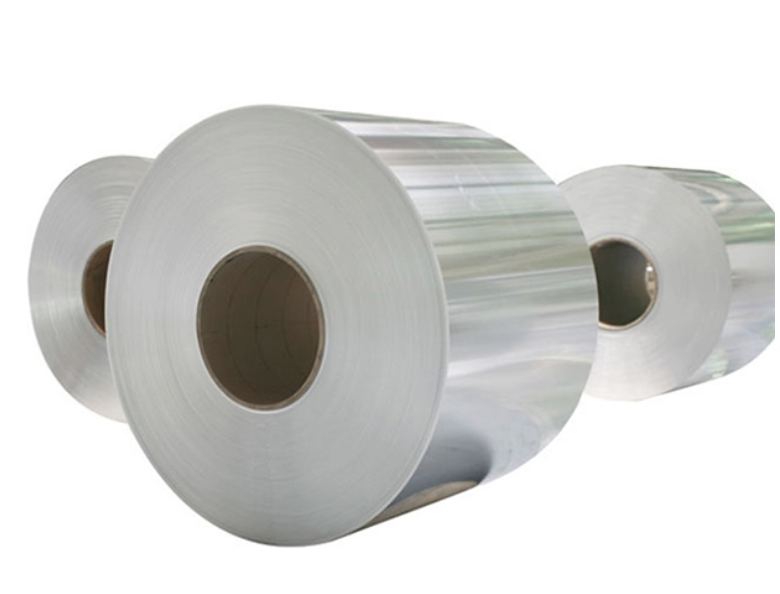
The global market for aluminum foil has expanded into nearly every industrial sector, making an analysis of aluminum foil quality defects a critical priority for manufacturers and procurement professionals. High-quality aluminum foil serves as an essential barrier in food packaging, pharmaceutical protection, and industrial insulation. However, the production of aluminum foil is a complex metallurgical process where even minor deviations can lead to significant aluminum foil defects. When aluminum foil fails to meet performance standards, the resulting aluminum foil waste can lead to massive financial losses. This comprehensive guide examines the most frequent aluminum foil quality issues, providing a deep analysis of aluminum foil defects that occur during rolling, annealing, and slitting. Understanding why aluminum foil fails is the first step toward ensuring aluminum foil consistency and optimizing aluminum foil applications.
The Science of Aluminum Foil Production and Quality Control
The manufacturing of aluminum foil involves reducing the thickness of aluminum foil through a series of rolling passes. This aluminum foil reduction process requires precise control over aluminum foil tension, aluminum foil lubrication, and aluminum foil temperature. Most aluminum foil defects originate from imbalances in the aluminum foil rolling mill or impurities within the aluminum foil raw material. Since aluminum foil is often used in gauges as thin as 6 microns, any small particle or mechanical vibration can create a visible aluminum foil defect. A thorough analysis of aluminum foil quality defects reveals that surface integrity and structural stability are the most important factors for aluminum foil performance.
Surface Appearance Defects in Aluminum Foil
The surface of aluminum foil is the first line of defense in its role as a barrier material. Any aluminum foil surface defect can compromise the ability of aluminum foil to protect its contents from environmental factors.
Pinholes in Aluminum Foil
Pinholes represent the most critical aluminum foil defect, particularly in ultra-thin aluminum foil used for aseptic packaging. These microscopic holes in the aluminum foil allow light and moisture to penetrate the aluminum foil barrier. Analysis of aluminum foil pinholes indicates that they are often caused by non-metallic inclusions in the aluminum foil ingot or by dust particles on the aluminum foil rolling rollers. For aluminum foil intended for pharmaceutical use, the number of aluminum foil pinholes per square meter must be strictly limited to ensure aluminum foil safety.
Oil Spots and Residual Lubricants on Aluminum Foil
During the rolling of aluminum foil, specific oils are applied to cool the aluminum foil and reduce friction. If the aluminum foil annealing process is insufficient, this oil remains on the aluminum foil surface as brown or yellow stains. These aluminum foil oil spots can cause odors in food-grade aluminum foil or prevent proper aluminum foil lamination. Identifying oil spots in aluminum foil is a key part of the analysis of aluminum foil quality defects, as it indicates a failure in the aluminum foil thermal treatment cycle.
Corrosion and Oxidation of Aluminum Foil
Aluminum foil corrosion usually manifests as white spots or "white rust" on the aluminum foil surface. This aluminum foil defect occurs when aluminum foil is exposed to moisture or extreme humidity during aluminum foil storage. The oxidation process degrades the aluminum foil surface and makes the aluminum foil brittle. Preventing aluminum foil corrosion requires strict control over the aluminum foil warehouse environment and proper aluminum foil packaging during transit.
Scratches and Roll Marks on Aluminum Foil
Physical abrasions on the aluminum foil surface, known as aluminum foil scratches, are typically caused by dirty rollers or mechanical friction during aluminum foil winding. These aluminum foil marks can weaken the aluminum foil structure and lead to aluminum foil tearing during high-speed aluminum foil processing. Any aluminum foil quality analysis must check for consistent aluminum foil luster to ensure no mechanical aluminum foil damage has occurred.
Structural and Shape Defects in Aluminum Foil Rolls
Beyond surface appearance, the physical shape of the aluminum foil roll determines how the aluminum foil will behave during unwinding and subsequent aluminum foil conversion.
Wrinkles and Creases in Aluminum Foil
Uneven aluminum foil tension during the rolling process often results in aluminum foil wrinkles. These aluminum foil creases appear as longitudinal or diagonal folds across the aluminum foil web. When using aluminum foil in high-speed machines, aluminum foil wrinkles can cause the aluminum foil to snap or lead to uneven aluminum foil coating. Analysis of aluminum foil wrinkles shows that they are frequently a result of poor aluminum foil roller alignment.
Edge Cracks and Tearing of Aluminum Foil
Edge cracks, or "V-shaped" tears in the aluminum foil, are a major aluminum foil defect that causes frequent aluminum foil breaks. These aluminum foil cracks occur when the aluminum foil edges are too brittle or when aluminum foil tension is excessive. If aluminum foil edge quality is poor, the aluminum foil roll cannot be used in high-tension aluminum foil applications, such as automatic aluminum foil wrapping.
Gauge Variation and Thickness Inconsistency in Aluminum Foil
Maintaining a consistent aluminum foil thickness is vital for aluminum foil functionality. Aluminum foil gauge variation occurs when the aluminum foil rolling pressure is not uniform. Inconsistent aluminum foil thickness can lead to failure in aluminum foil burst tests and issues with aluminum foil heat sealing. Professional analysis of aluminum foil quality defects always includes a profile check of the aluminum foil gauge.
Data Analysis Table for Aluminum Foil Defect Impacts
To facilitate a better understanding of how aluminum foil defects affect different sectors, the following table compares the severity of common aluminum foil issues across various aluminum foil applications.
| Aluminum Foil Defect | Food Packaging | Pharmaceutical | Industrial Insulation | Electronics |
| Aluminum Foil Pinholes | High Impact | Critical Impact | Low Impact | Moderate Impact |
| Aluminum Foil Oil Spots | Moderate Impact | High Impact | Low Impact | High Impact |
| Aluminum Foil Wrinkles | High Impact | High Impact | Moderate Impact | Critical Impact |
| Aluminum Foil Corrosion | Moderate Impact | High Impact | Low Impact | High Impact |
| Aluminum Foil Edge Cracks | High Impact | High Impact | Moderate Impact | Moderate Impact |
Slitting and Winding Defects in Aluminum Foil
The final stage of aluminum foil production involves slitting the aluminum foil into specific aluminum foil widths and winding the aluminum foil onto cores.
Burrs and Jagged Edges on Aluminum Foil
When the aluminum foil slitting knives become dull, they create aluminum foil burrs. These jagged aluminum foil edges can cause the layers of aluminum foil to stick together or puncture the aluminum foil during shipping. Clean aluminum foil edges are a requirement for high-quality aluminum foil intended for delicate aluminum foil lamination processes.
Telescoping and Winding Shift in Aluminum Foil
Telescoping occurs when the layers of aluminum foil shift sideways, causing the aluminum foil roll to look like a cone. This aluminum foil defect is caused by unstable aluminum foil winding tension. A telescoped aluminum foil roll is difficult to load into aluminum foil machines and often leads to aluminum foil misalignment during the aluminum foil production run.
Stickiness and Unwinding Difficulties in Aluminum Foil
If the aluminum foil rolling oil is not completely removed, or if the aluminum foil is annealed at too high a temperature, the aluminum foil layers may stick together. This aluminum foil stickiness makes it impossible to unroll the aluminum foil without the aluminum foil tearing. Stickiness is a common aluminum foil defect found in analysis of aluminum foil quality that significantly slows down aluminum foil manufacturing.
Root Cause Analysis of Aluminum Foil Quality Defects
A deeper analysis of aluminum foil quality defects requires looking at the origins of aluminum foil failures. By identifying why aluminum foil defects occur, aluminum foil manufacturers can improve aluminum foil consistency.
Raw Material Purity and Aluminum Foil Integrity
The quality of the aluminum foil ingot is the foundation of the final aluminum foil product. If the aluminum foil alloy contains too many impurities, the aluminum foil will naturally have more aluminum foil pinholes. High-performance aluminum foil requires high-purity aluminum foil alloys, such as 1235 aluminum foil or 8011 aluminum foil, to ensure aluminum foil strength.
Mechanical Precision in Aluminum Foil Rolling
The rolling mill is the most important factor in aluminum foil production. Any vibration in the aluminum foil rollers or inconsistency in the aluminum foil cooling system will manifest as an aluminum foil defect. Continuous monitoring of aluminum foil rolling parameters is essential for reducing aluminum foil quality defects.
Environmental Cleanliness in Aluminum Foil Factories
Because aluminum foil is so thin, the aluminum foil production environment must be kept extremely clean. Dust particles in the aluminum foil factory can settle on the aluminum foil surface and be pressed into the aluminum foil during the rolling process, creating aluminum foil pinholes or aluminum foil scratches. Aluminum foil quality analysis often reveals that the cleanest aluminum foil factories produce the fewest aluminum foil defects.
Comparison of Aluminum Foil Alloys and Defect Sensitivity
Different aluminum foil alloys have varying levels of sensitivity to certain aluminum foil defects. This comparison helps in selecting the right aluminum foil for specific aluminum foil tasks.
| Aluminum Foil Alloy Type | Common Aluminum Foil Use | Sensitivity to Pinholes | Sensitivity to Tearing |
| 1235 Aluminum Foil | Electrical & Battery | Very High | Moderate |
| 8011 Aluminum Foil | Household & Food | Moderate | Low |
| 8079 Aluminum Foil | Flexible Packaging | High | Moderate |
| 3003 Aluminum Foil | Foil Containers | Low | Low |
Technical Inspection Methods for Aluminum Foil Quality
To maintain high aluminum foil standards, manufacturers use several aluminum foil inspection techniques during the analysis of aluminum foil quality defects.
Online Surface Inspection of Aluminum Foil
Modern aluminum foil mills use laser-based aluminum foil inspection systems to detect aluminum foil defects in real-time. These systems scan the aluminum foil surface for aluminum foil pinholes, aluminum foil scratches, and aluminum foil oil spots while the aluminum foil is moving at high speeds.
Aluminum Foil Tensile and Burst Testing
To ensure the aluminum foil has the necessary aluminum foil strength, samples of the aluminum foil are subjected to aluminum foil tensile tests. This analysis of aluminum foil ensures that the aluminum foil can withstand the aluminum foil tension required for industrial aluminum foil applications without the aluminum foil breaking.
Aluminum Foil Wetting Tension Test
The aluminum foil wetting tension test measures the cleanliness of the aluminum foil surface. This is critical for aluminum foil that will be printed on or used in aluminum foil lamination. If the aluminum foil wetting tension is too low, it indicates aluminum foil oil residue, a common aluminum foil defect identified in quality analysis.
Prevention of Aluminum Foil Defects During Storage and Handling
Analysis of aluminum foil quality defects shows that many aluminum foil issues occur after the aluminum foil has left the rolling mill. Proper aluminum foil storage is vital for maintaining aluminum foil quality.
Climate Controlled Aluminum Foil Storage Aluminum foil should be stored in a dry environment to prevent aluminum foil corrosion. Moisture is the primary enemy of aluminum foil surface integrity.
Vertical vs Horizontal Aluminum Foil Storage Large aluminum foil rolls should often be stored horizontally on specialized aluminum foil racks to prevent aluminum foil roll deformation. Pressure on the aluminum foil edges can lead to aluminum foil edge cracks.
Protective Aluminum Foil Packaging Each aluminum foil roll should be wrapped in plastic and placed in a sturdy box to protect the aluminum foil from dust and physical aluminum foil damage during aluminum foil transport.
The Global Standard for Aluminum Foil Excellence
The pursuit of defect-free aluminum foil is a continuous journey for leading aluminum foil manufacturers. Every step of the aluminum foil journey—from the initial aluminum foil ingot to the final aluminum foil slitting—must be monitored to ensure the aluminum foil meets global aluminum foil quality standards. Whether the aluminum foil is used in a high-tech battery or a simple food container, the aluminum foil must perform its function without failure.
Providing high-quality aluminum foil is the primary mission at Yuqi Metal. The team at Yuqi Metal understands that an analysis of aluminum foil quality defects is more than just a technical exercise; it is a commitment to aluminum foil reliability. By employing advanced aluminum foil rolling technology and rigorous aluminum foil inspection protocols, Yuqi Metal ensures that every roll of aluminum foil delivered to a client is free from the aluminum foil defects that plague lower-quality aluminum foil suppliers. The expertise found at Yuqi Metal helps clients navigate the complexities of aluminum foil procurement, ensuring that the aluminum foil they receive is perfectly suited for their specific aluminum foil application. Through a dedicated focus on aluminum foil purity and aluminum foil mechanical precision, Yuqi Metal has established itself as a leader in the aluminum foil industry, helping businesses worldwide achieve better results with high-performance aluminum foil.
Conclusion
In summary, a detailed analysis of aluminum foil quality defects is indispensable for anyone working with aluminum foil in a professional capacity. From surface issues like aluminum foil pinholes and aluminum foil oil spots to structural problems like aluminum foil wrinkles and aluminum foil gauge variation, these aluminum foil defects can have a profound impact on the success of an aluminum foil project. By understanding the root causes of aluminum foil defects—such as raw material impurities and aluminum foil rolling mill inconsistencies—manufacturers can significantly reduce the occurrence of aluminum foil failures. Furthermore, proper aluminum foil handling and aluminum foil storage play a vital role in preserving the quality of the aluminum foil once it has been produced. As the demand for specialized aluminum foil continues to grow in industries like electric vehicle battery production and advanced pharmaceutical packaging, the need for high-quality, defect-free aluminum foil will only increase. Choosing a reliable partner who understands the intricacies of aluminum foil quality is the best way to ensure that the aluminum foil you use meets the highest standards of excellence.


