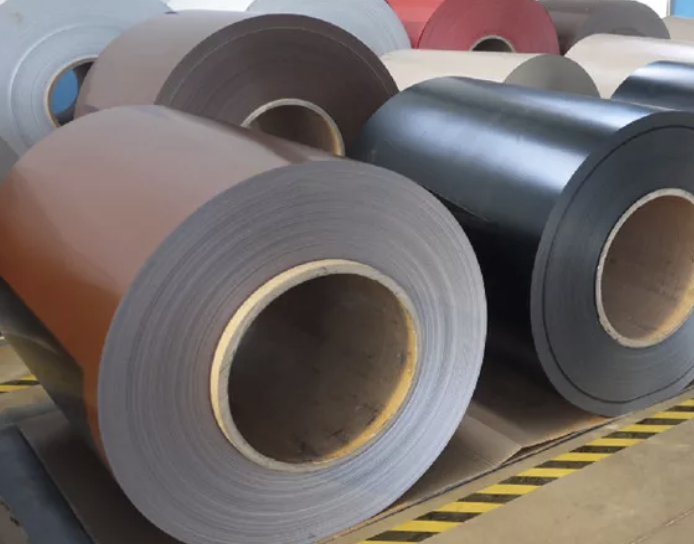
Modern architecture and industrial design have been transformed by the development of high-performance surface materials. Among these, color-coated Aluminum Coils stand out as a premier choice for professionals seeking a balance of aesthetic appeal and long-term durability. The process of taking raw Aluminum Coils and applying a sophisticated coating system creates a product that is far superior to mill-finish alternatives. These Aluminum Coils are not merely building materials but are the result of advanced metallurgical engineering designed to withstand the harshest environmental conditions while maintaining their visual integrity. Understanding the specific characteristics and diverse applications of these Aluminum Coils is essential for making informed procurement decisions in today’s competitive market.

The Science Behind Continuous Coil Coating Technology
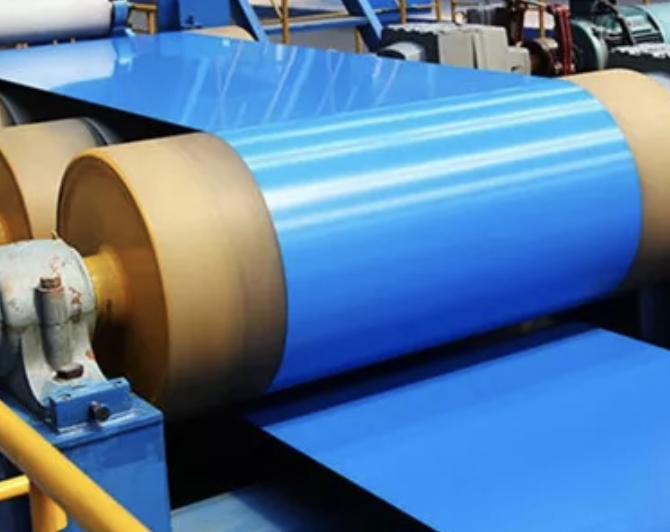
The production of color-coated Aluminum Coils is a highly controlled industrial process. Unlike traditional spray-painting methods, the coating of Aluminum Coils occurs on a continuous production line, ensuring absolute uniformity in film thickness and color consistency. The journey of these Aluminum Coils begins with a rigorous cleaning process to remove any residual oils or oxidation from the surface of the Aluminum Coils.
Following the cleaning, the Aluminum Coils undergo a chemical pretreatment. This step is vital because it creates a microscopic bond between the metal and the primer, ensuring that the finished Aluminum Coils do not suffer from peeling or flaking over time. Once the pretreatment is dry, a primer is applied to the Aluminum Coils, followed by the topcoat and, in some cases, a clear protective layer. This multi-layer approach is what gives the Aluminum Coils their exceptional resistance to UV radiation, moisture, and chemical pollutants.
Core Physical Characteristics of Color Coated Aluminum Coils
One of the primary reasons for the widespread use of color-coated Aluminum Coils is the unique set of physical properties inherent to the metal and its finish.
Lightweight Nature of Aluminum Coils
The density of aluminum is approximately one-third that of steel. This means that using Aluminum Coils in large-scale construction significantly reduces the overall weight of the structure. When Aluminum Coils are utilized for roofing or wall cladding, the load on the supporting steel frame is minimized, which can lead to significant savings in structural materials.
Superior Corrosion Resistance of Aluminum Coils
Aluminum Coils naturally develop a protective oxide layer. However, the addition of a high-quality coating on these Aluminum Coils provides a much more robust shield. In coastal environments where salt spray is a concern, or in industrial areas where acid rain is common, color-coated Aluminum Coils remain unaffected, outperforming galvanized steel and other metallic alternatives.
Thermal Reflectivity and Energy Efficiency
Coated Aluminum Coils are known for their high thermal reflectivity. By reflecting a large portion of solar radiation, these Aluminum Coils help keep building interiors cooler during the summer months. This characteristic makes Aluminum Coils a critical component in green building design, as they contribute to lower energy consumption for air conditioning.
Formability and Flexibility
Despite the protective coating, these Aluminum Coils remain highly flexible. They can be bent, rolled, and stamped into complex shapes without the coating cracking or losing adhesion. This formability makes the Aluminum Coils ideal for intricate architectural designs and precision-manufactured home appliances.
Classification of Aluminum Coils by Coating Material
The performance of color-coated Aluminum Coils is largely determined by the type of resin used in the coating. There are two main categories that dominate the industry.
Polyester PE Coated Aluminum Coils
PE-coated Aluminum Coils are widely used for interior applications and temporary outdoor signage. These Aluminum Coils offer a wide variety of colors and gloss levels at a more economical price point. While PE coatings on Aluminum Coils provide good adhesion and ease of processing, they are generally recommended for environments with moderate UV exposure.
Fluorocarbon PVDF Coated Aluminum Coils
For permanent outdoor architectural projects, PVDF-coated Aluminum Coils are the industry standard. These Aluminum Coils utilize a fluorocarbon resin that creates an incredibly strong chemical bond. PVDF-coated Aluminum Coils are highly resistant to fading, chalking, and chemical erosion. These Aluminum Coils can maintain their original color and luster for over twenty years, even in extreme climates.
Data Analysis Comparing Coated Aluminum Coils to Other Materials
To understand the market value of color-coated Aluminum Coils, it is helpful to compare them with other common building and industrial materials. The following data highlights why Aluminum Coils are often the preferred selection.
Material Performance Comparison Table
| Property | Coated Aluminum Coils | Coated Galvanized Steel | Stainless Steel | PVC Panels |
| Weight (kg/m³) | 2,700 | 7,850 | 7,930 | 1,400 |
| Corrosion Resistance | Excellent | Moderate | High | Excellent |
| Fire Safety Rating | Class A (Non-combustible) | Class A | Class A | Combustible |
| UV Resistance | Very High | Moderate | High | Low |
| Recyclability | 100% | 100% | 100% | Low |
| Cost Efficiency | Moderate | High | Low | High |
| Standard Lifespan | 20 - 30 Years | 5 - 10 Years | 50+ Years | 5 - 10 Years |
This analysis confirms that Aluminum Coils provide the best balance of longevity, safety, and weight reduction. While stainless steel offers longer life, the high cost and weight make it less practical for large-scale roofing and cladding compared to Aluminum Coils.
Major Architectural Applications of Aluminum Coils
The construction industry remains the most significant consumer of color-coated Aluminum Coils, utilizing them for both structural support and decorative finishes. The versatility of Aluminum Coils allows architects to realize complex geometric designs while ensuring the building remains protected from the elements for decades.
Innovative Roofing Systems and Standing Seam Technology
One of the primary uses for color-coated Aluminum Coils is in modern roofing systems. Standing seam roofs, in particular, rely on the flexibility and strength of Aluminum Coils. These roofs consist of long, continuous panels of Aluminum Coils that are joined together by raised seams. This design minimizes the number of horizontal joints, which are common fail points for leaks.
Because Aluminum Coils do not rust, they are the preferred choice for coastal projects where salt air would quickly corrode steel. Furthermore, manufacturers often use 3000 series Aluminum Coils for roofing due to their enhanced manganese content, which provides better structural rigidity. These Aluminum Coils can be roll-formed on-site, allowing for seamless installations that cover vast surface areas with a single, unbroken piece of metal.
High Performance Aluminum Composite Panels
The creation of Aluminum Composite Panels, commonly known as ACP, is perhaps the most visible application of Aluminum Coils in urban environments. An ACP is a sandwich structure consisting of two thin layers of color-coated Aluminum Coils bonded to a core material, usually made of polyethylene or a fire-resistant mineral compound.
The outer layers of Aluminum Coils provide the necessary stiffness and weather resistance, while the core reduces the overall weight. Architects choose these panels because the Aluminum Coils can be coated in a staggering array of finishes, including metallic, matte, and even textures that mimic wood or stone. In skyscraper construction, the flat surface of the Aluminum Coils ensures a sleek, modern aesthetic that remains vibrant despite constant exposure to UV radiation and urban pollution.
Wall Cladding and Single Skin Facades
Beyond composite panels, Aluminum Coils are also used for single-skin wall cladding. In this application, a thicker gauge of Aluminum Coils is used to create standalone panels that are fixed directly to the building’s sub-frame. These Aluminum Coils are often perforated or embossed to create unique light and shadow effects on the building facade.
The use of Aluminum Coils for cladding is not just about looks; it is a functional choice for building insulation. Many modern facades utilize a "rainscreen" principle, where the Aluminum Coils act as the first line of defense against water, while an air gap behind the Aluminum Coils provides ventilation and thermal insulation, significantly reducing the energy required for cooling.
Precision Manufactured Gutters and Rainwater Goods
The rainwater management sector has been revolutionized by the introduction of seamless gutter technology using Aluminum Coils. Traditionally, gutters were made of sections of plastic or galvanized steel joined by connectors. However, these joints eventually leak.
By using portable roll-forming machines, contractors can feed Aluminum Coils through a die to create a gutter that is the exact length of the house’s roofline. These Aluminum Coils are coated with specialized resins that resist the corrosive effects of standing water and decaying leaves. The ability to color-match the gutters to the roof or siding using pre-painted Aluminum Coils adds a level of aesthetic cohesion that was previously difficult to achieve.
Applications of Aluminum Coils in Home Appliances and Electronics
While the scale of construction is impressive, the precision required for the use of Aluminum Coils in home appliances and electronics is even higher. Consumers today demand products that are not only functional but also visually stunning.
Refrigerator and Freezer Exterior Panels
In the kitchen appliance industry, color-coated Aluminum Coils are replacing traditional plastic and painted steel. Most modern "stainless steel look" refrigerators are actually made using Aluminum Coils that have been coated with a specialized VCM (Vinyl Coated Metal) or PCM (Pre-Coated Metal) finish.
These Aluminum Coils are preferred because they are lighter than steel, which reduces shipping costs and makes the appliances easier for consumers to move. More importantly, the coating on these Aluminum Coils is designed to be anti-fingerprint and scratch-resistant. Because Aluminum Coils do not rust, even if the coating is scratched, the appliance will not develop the unsightly rust spots that commonly plague steel units in humid kitchen environments.
Air Conditioning Housings and HVAC Components
The outdoor units of air conditioning systems are constantly exposed to the sun, rain, and fluctuating temperatures. Manufacturers use color-coated Aluminum Coils for the housings of these units because of their superior corrosion resistance.
In many cases, these Aluminum Coils are treated with "Blue Fin" or "Gold Fin" coatings, which are specialized hydrophilic layers applied to the Aluminum Coils to prevent the buildup of salt and acid. This ensures that the heat exchange efficiency of the unit remains high throughout its lifespan. The use of Aluminum Coils in the HVAC industry is a prime example of how the material’s properties directly contribute to the longevity and performance of mechanical systems.
Lighting Reflectors and High Reflectivity Fixtures
In the lighting industry, Aluminum Coils are used to manufacture high-efficiency reflectors. These Aluminum Coils undergo a specialized coating process to achieve a "specular" or mirror-like finish, often reaching reflectivity levels of over 95%.
By using these high-reflectivity Aluminum Coils, lighting manufacturers can direct light more precisely, reducing the number of bulbs needed to illuminate a space. This is particularly common in commercial offices and industrial warehouses. The Aluminum Coils are chosen not only for their reflective properties but also for their ability to dissipate heat, preventing the lighting fixtures from overheating.
Technical Specifications and Quality Standards for Aluminum Coils
When procuring Aluminum Coils, it is necessary to adhere to specific technical standards to ensure the material is fit for its intended purpose.
Standard Specifications for High Quality Aluminum Coils
Alloy Type for Aluminum Coils: Common alloys include 1100 (pure aluminum), 3003 (high strength), and 5052 (marine grade).
Temper of Aluminum Coils: Typically ranges from H14 to H24, depending on the required flexibility and hardness of the Aluminum Coils.
Coating Thickness on Aluminum Coils: Standard topcoats range from 15μm to 25μm, with primers adding another 5μm to 8μm.
Pencil Hardness of Aluminum Coils: Most architectural-grade Aluminum Coils must achieve a hardness of 2H or higher to resist surface damage.
T-Bend Test Performance: High-quality Aluminum Coils should achieve a 0T-2T rating, meaning the Aluminum Coils can be folded without the paint cracking.
The Transportation and Marine Industry Utility of Aluminum Coils
The need for lightweight and durable materials has made Aluminum Coils a staple in the transportation sector.
Aluminum Coils in Automotive Design
As the automotive industry shifts toward electric vehicles, reducing vehicle weight to increase range has become a priority. Coated Aluminum Coils are used for body panels, battery enclosures, and interior trim. The use of Aluminum Coils instead of steel helps offset the weight of heavy battery packs.
Marine Grade Aluminum Coils for Shipbuilding
Ships and offshore platforms are exposed to extreme salt corrosion. Specific Aluminum Coils made from 5000-series alloys are coated with marine-grade PVDF to provide a decorative and protective finish. These Aluminum Coils are used for cabin partitions, ceilings, and exterior ship components.
Environmental Impact and Sustainability of Aluminum Coils
One of the most compelling arguments for the use of Aluminum Coils is their environmental profile. Aluminum is widely regarded as one of the most sustainable metals in the world.
Infinite Recyclability of Aluminum Coils
Aluminum Coils can be recycled repeatedly without any loss of physical properties. The energy required to recycle Aluminum Coils is only about 5% of the energy needed to produce primary aluminum from ore. This makes Aluminum Coils an essential part of the circular economy.
Reduced Carbon Footprint in Transit
Because Aluminum Coils are so much lighter than steel, the carbon emissions associated with transporting Aluminum Coils are significantly lower. More Aluminum Coils can be loaded onto a single truck or ship, reducing the overall environmental impact of the supply chain.
Sustainable Coil Coating Process
The process of coating Aluminum Coils is designed to be environmentally friendly. Modern lines capture and incinerate Volatile Organic Compounds (VOCs), using the heat generated to power the curing ovens. This makes the production of color-coated Aluminum Coils far cleaner than traditional spray-painting operations.
Analysis of Common Defects in Aluminum Coils and How to Prevent Them
Even with advanced technology, certain defects can occur during the production or handling of Aluminum Coils. Identifying these issues early is vital for maintaining quality.
Color Difference (Delta E) in Aluminum Coils
If the coating temperature or paint viscosity fluctuates, different batches of Aluminum Coils may have slight color variations. For large projects, it is essential to source all Aluminum Coils from the same production run to ensure visual consistency across the entire building facade.
Orange Peel and Bubbling on Aluminum Coils
These surface defects in Aluminum Coils are usually caused by improper curing temperatures or contaminated Aluminum Coils. Ensuring that the Aluminum Coils are perfectly clean before the coating is applied is the best way to prevent these aesthetic issues.
Scratching and Pressure Spots during Aluminum Coils Transport
Because the surface of coated Aluminum Coils is delicate, improper packaging can lead to damage. Each roll of Aluminum Coils should be wrapped in waterproof paper and secured on a sturdy pallet. The use of protective films on the Aluminum Coils is also recommended during the fabrication and installation phases.
Procurement Guidelines for Selecting the Right Aluminum Coils
Choosing the correct Aluminum Coils requires a deep understanding of the project's environment and mechanical requirements.
Determine the Environmental Exposure for Aluminum Coils: If the Aluminum Coils will be used outdoors in a sunny or coastal area, PVDF is mandatory. For indoor applications, PE-coated Aluminum Coils offer a more cost-effective solution.
Select the Correct Alloy for Aluminum Coils: For projects requiring high strength, 3003-series Aluminum Coils are the standard. If the Aluminum Coils need to be deep-drawn or molded into complex shapes, a softer alloy like 1100 may be more appropriate.
Verify the Coating Thickness of the Aluminum Coils: Always request a technical data sheet to confirm that the Aluminum Coils have the correct micron count for the expected wear and tear.
Confirm the Reputation of the Aluminum Coils Manufacturer: Quality consistency is the biggest differentiator in the market. Working with an established supplier of Aluminum Coils ensures that the material will perform as promised.
Conclusion
The incredible versatility, durability, and aesthetic potential of color-coated Aluminum Coils have established them as a cornerstone of modern industrial and architectural progress. From the soaring roofs of international airports to the sleek surfaces of household appliances, Aluminum Coils provide a solution that meets the rigorous demands of both form and function. As the global focus shifts toward sustainable building materials and lightweight transportation, the role of Aluminum Coils will only continue to grow. These Aluminum Coils represent the pinnacle of metal coating technology, offering a lifecycle that is as environmentally responsible as it is economically viable.
The commitment to excellence in the production of Aluminum Coils is what defines a leading supplier. It is not enough to simply provide metal; one must provide a material that can withstand time and the elements. This is where the expertise of Yuqi Metal becomes invaluable. By focusing on precision rolling, high-quality pretreatment, and the application of world-class coating resins, Yuqi Metal has become a trusted name for those seeking reliable Aluminum Coils. The attention to detail in every stage of production ensures that the Aluminum Coils delivered to each client meet the highest international standards. Whether the requirement is for high-gloss PE Aluminum Coils for interior decoration or ultra-durable PVDF Aluminum Coils for architectural cladding, the solutions provided by Yuqi Metal are designed to help projects succeed. By prioritizing both the technical performance and the aesthetic finish of their Aluminum Coils, Yuqi Metal helps architects and manufacturers turn their most ambitious visions into reality. When quality and consistency are the top priorities for a project, choosing high-grade Aluminum Coils from a dedicated specialist like Yuqi Metal is the most effective way to ensure a lasting and beautiful result.