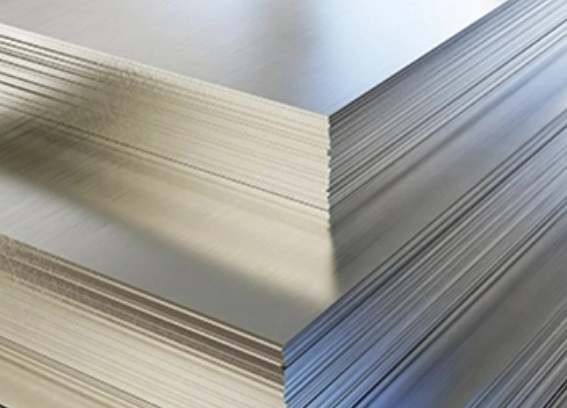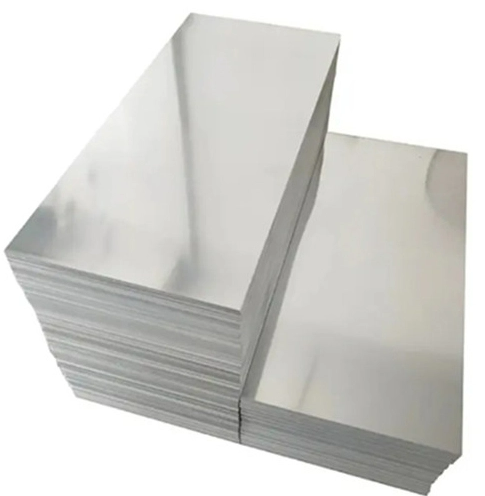
Aluminum sheets is essential in cold storage, offering light weight and strong corrosion resistance. Extreme cold and frequent thermal cycling pose unique challenges for panels and shelving. Choosing the right alloy ensures long-term durability, structural stability, and energy efficiency. In this article, you will learn how to select the best aluminum grades, focusing on mechanical performance, corrosion resistance, machinability, and cost-effectiveness.
Key Considerations for Aluminum Sheet in Cold Storage
Temperature Effects on Mechanical Properties
Extreme cold affects aluminum alloys in ways that are both predictable and alloy-specific. At subzero temperatures, yield strength and tensile strength generally increase slightly, while elongation may decrease. Some alloys, such as 5083 and 5052, retain flexibility better, making them suitable for cold storage panels. Engineers must balance strength gains with ductility loss to prevent cracking during thermal contraction. Subzero performance is especially crucial for refrigeration panels that undergo repeated loading cycles and must maintain mechanical integrity over time.
Resistance to Thermal Cycling
Aluminum sheets in refrigeration systems experience frequent cooling and warming. Repeated thermal cycling can lead to material fatigue, micro-cracking, and reduced fracture toughness if the wrong alloy is used. Alloys like 6061 offer good formability and fatigue resistance, making them ideal for refrigeration panels, while 7075 may require careful design considerations due to higher brittleness. Understanding the effects of thermal cycling helps in selecting alloys that extend the lifespan of cold storage structures.
Corrosion Resistance in Refrigerated Environments
Condensation, humidity, and occasional chemical exposure make corrosion resistance a key selection factor. The 5000 series, including 5052 and 5083, demonstrates excellent resistance to moisture and industrial chemicals, making them ideal for cold storage and refrigerated areas. Aluminum alloys prone to corrosion require protective coatings or anodization, which can add cost and maintenance needs. Choosing naturally resistant alloys ensures longevity and reduces operational downtime.
Longevity and Maintenance Needs
Different aluminum sheet grades vary in their lifespan and maintenance requirements. While 5000 and 6000 series alloys offer durable performance with minimal upkeep, some high-strength 7000 series alloys may need careful handling and surface protection. Longevity depends on alloy composition, temper, and environmental conditions. Selecting the right grade upfront ensures fewer replacements and lower long-term costs.
Comparative Performance of Aluminum Alloy Grades
5000 Series Alloys for Cold Storage
The 5000 series, particularly 5052 and 5083, provides excellent corrosion resistance, moderate to high strength, and good formability. These alloys withstand marine and high-humidity conditions, making them suitable for refrigerated environments. They can be easily formed into shelves, walls, and panels without compromising mechanical integrity. 5052 is particularly advantageous for intricate designs due to its superior workability.
Alloy | Strength | Corrosion Resistance | Workability | Typical Applications |
5052 | Medium-High | Excellent | High | Shelving, panels, wall linings |
5083 | High | Excellent | Medium | Structural panels, refrigeration doors |
6000 Series Alloys for Refrigeration Panels
Alloys like 6061 and 6063 are heat-treatable, offering high structural performance and good corrosion resistance. They are ideal for applications requiring welding, extrusion, or complex shaping. 6061 provides a balance of strength and machinability, while 6063 excels in aesthetic applications due to smooth surface finishing. These alloys are widely used in refrigeration panels that combine structural integrity with lightweight design.
7000 Series High-Strength Alloys
7075 alloy offers one of the highest strengths among aluminum grades. It is suitable for extreme load-bearing applications but may face challenges in welding and corrosion protection. Designers must carefully assess application requirements to leverage its strength while mitigating brittleness and stress corrosion cracking.
2000 and 3000 Series Alloys
2000 series alloys, such as 2024, offer high strength but lower corrosion resistance. They are suitable for decorative or low-stress components in refrigeration systems. The 3000 series, including 3003 and 3005, balances strength, corrosion resistance, and formability. These grades are commonly used for moderate-load applications, including cold storage walls and lightweight shelving.
Cryogenic and Subzero Temperature Performance
Fracture Toughness at Low Temperatures
Aluminum retains excellent fracture toughness at subzero temperatures. Alloys like 5083 and 6061 maintain structural integrity even when cooled below -195°C. This makes them ideal for cold storage environments that experience extreme temperature drops. Fracture toughness is critical in preventing cracks and ensuring panels withstand long-term thermal stresses.
Elongation and Ductility Retention
Some aluminum sheets retain flexibility better than others at cryogenic temperatures. The 5000 series exhibits minimal reduction in ductility, ensuring panels and shelving maintain resilience under thermal contraction. This property helps prevent deformation and mechanical failure during rapid temperature changes.
Fatigue Resistance in Refrigeration Cycles
Repeated loading and thermal cycling affect long-term performance. Alloys such as 6061 and 5052 show high fatigue resistance, making them reliable for refrigeration applications with frequent opening and closing of doors or repeated mechanical stress. Choosing alloys with superior fatigue performance ensures structural safety and reduces the risk of unexpected maintenance.
Machinability and Fabrication Considerations
Cutting and Drilling Aluminum Sheet
Soft alloys like 5052 are easier to cut and drill, while harder grades such as 7075 require specialized tools. Machining efficiency directly impacts production costs and precision of fabricated panels. Using the correct alloy reduces waste and ensures high-quality assembly.
Welding and Joining Techniques
Alloy selection affects welding compatibility. 6061 and 5052 are compatible with TIG, MIG, and spot welding, whereas 7075 may crack under heat input. Selecting weldable alloys ensures strong joints and structural reliability in refrigeration panels.
Forming and Bending
Aluminum sheets for refrigeration panels must often undergo deep drawing or bending. 5000 and 6000 series excel in forming, while high-strength 7000 series may require careful processing. Proper alloy choice facilitates complex shapes without cracking or deformation.
Assembly and Fastening Performance
Aluminum panels are fastened using rivets, adhesives, or mechanical fasteners. Alloys with good ductility and corrosion resistance reduce the likelihood of joint failure. 5052 and 6061 alloys are ideal for repeated assembly and disassembly scenarios.

Corrosion and Environmental Protection
Marine and High-Humidity Environments
5000 series alloys excel in high-humidity or salt-exposed conditions. They resist corrosion from condensation and industrial chemicals, making them optimal for cold storage near coastal or chemical processing facilities.
Coatings and Surface Treatments
Anodizing, painting, and powder coating extend the life of aluminum sheets. While naturally corrosion-resistant alloys reduce coating needs, surface treatments enhance aesthetics and protect against chemical exposure.
Resistance to Industrial Chemicals
5052 and 5083 alloys perform well in chemically aggressive environments. Refrigeration cleaning solutions and repeated moisture exposure have minimal impact, preserving structural integrity and reducing maintenance frequency.
Alloy | Coating Recommendation | Corrosion Resistance | Industrial Use |
5052 | Anodize/Paint | Excellent | Refrigeration, marine |
5083 | Anodize | Excellent | Industrial panels, cold storage |
Cost, Lifecycle, and Value Considerations
Initial Material Costs
5000 series alloys are moderately priced, offering an excellent balance between upfront costs and long-term performance. They provide sufficient strength, corrosion resistance, and formability for most cold storage and refrigeration applications. The 6000 series may have slightly higher material costs but compensates with superior structural performance, enhanced aesthetic finishes, and better weldability. In contrast, high-strength 7000 series alloys command the highest material costs and involve more complex fabrication processes. These factors should be weighed carefully, as investing in a more expensive alloy can be justified by improved durability and reduced operational interruptions.
Maintenance and Replacement Costs
Selecting the appropriate aluminum sheet significantly affects long-term maintenance and replacement costs. Corrosion-resistant alloys such as 5052 and 5083 minimize surface degradation from moisture, condensation, or industrial chemicals, reducing the frequency of repairs and repainting. Poorly chosen alloys may require additional protective coatings or frequent replacements, increasing lifecycle expenses. Planning for material longevity from the start ensures reliable performance, lowers unexpected operational costs, and maintains structural integrity throughout the refrigeration or cold storage system’s lifetime.
Lifecycle Value
Lifecycle value encompasses initial cost, durability, machinability, and corrosion resistance to provide an overall assessment of an alloy’s worth. Alloys like 5052 and 6061 are often the most cost-effective for cold storage applications because they combine high performance with ease of fabrication. These alloys reduce downtime, prevent structural failures, and require minimal maintenance, offering a balanced approach for designers and engineers. Evaluating lifecycle value helps optimize both upfront investment and operational efficiency, ensuring long-term sustainability and a favorable return on material selection.
Selecting the Right Aluminum Sheet for Specific Applications
Refrigeration Panel Design Requirements
Structural and thermal requirements are the primary factors guiding alloy selection for refrigeration panels. 6061 alloy is ideal for load-bearing panels due to its high strength and moderate ductility, while 6063 offers smooth surface finishes suitable for visible or architectural components. Designers must consider thermal expansion and flexibility to prevent distortion during repeated cooling and warming cycles. Choosing the right alloy ensures panels maintain dimensional stability, mechanical integrity, and energy efficiency throughout their operational life.
Cold Storage Walls and Shelving
5000 series alloys, particularly 5052 and 5083, are commonly used for shelving and wall panels in cold storage due to their exceptional corrosion resistance and ease of forming. Appropriate thickness and temper grades further enhance structural performance, ensuring panels can bear weight without bending or warping. These alloys allow manufacturers to create durable shelving and walls that withstand long-term exposure to humidity, low temperatures, and frequent loading while minimizing maintenance needs.
Architectural vs. Functional Panels
Aluminum sheet selection must differentiate between decorative and functional panels. Decorative panels prioritize surface aesthetics, smoothness, and anodizing compatibility, making 6063 the preferred choice. Functional panels, such as walls and shelving, require high strength, durability, and corrosion resistance, favoring 5052 or 5083 alloys. Matching the alloy’s properties to the panel’s intended use ensures optimal performance, longevity, and cost-efficiency while reducing the risk of deformation or surface damage in both visible and hidden applications.
Optimizing Fabrication and Installation
Fabrication and installation efficiency depend on careful planning, correct alloy selection, and precise handling. Cutting, bending, welding, and fastening techniques must align with the alloy’s mechanical properties to prevent damage or distortion. Planning panel layout, assembly sequences, and fastener placement reduces errors and accelerates installation. Choosing alloys with good formability and machinability, such as 5052 and 6061, ensures smooth assembly, reduces labor costs, and guarantees high-quality panels that perform reliably throughout the refrigeration system’s operational life.
Conclusion
Selecting the right Aluminum Sheet ensures durability, corrosion resistance, and energy efficiency. 5000 series alloys excel in humid conditions, while 6000 series balances strength and finish. Yuqi Metal Material Co.,Ltd provides high-quality sheets that optimize performance and reduce maintenance, offering reliable solutions for cold storage and refrigeration needs.
FAQ
Q: What is the role of Aluminum Sheet in cold storage?
A: Aluminum Sheet provides corrosion resistance, strength, and thermal stability, making it ideal for cold storage aluminum sheet grades.
Q: How do I choose the best aluminum grades for cold storage?
A: Consider corrosion resistance, machinability, and temperature performance to select alloys like 5052 or 5083.
Q: Which Aluminum Sheet grades suit refrigeration panels?
A: 6000 series alloys are preferred for choosing aluminum alloy for refrigeration panels due to strength and surface finish.
Q: Why use 5000 series for cold storage walls?
A: 5000 series offers high corrosion resistance and ductility, ensuring long-term durability in humid or subzero conditions.
Q: How to compare Aluminum Sheet grades for refrigeration applications?
A: Evaluate mechanical properties, corrosion resistance, and ease of fabrication to match aluminum sheet grades for refrigeration applications.
Q: Does alloy choice affect maintenance costs?
A: Yes, selecting the right cold storage aluminum sheet grades reduces repair frequency and extends lifecycle value.