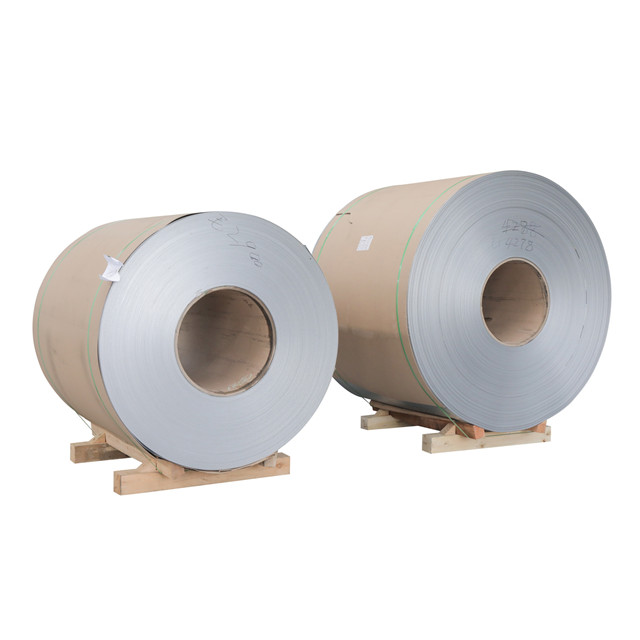
Why do aluminum coils stand out in industries? Their secret lies in exceptional corrosion resistance, making them a preferred choice. This article explores aluminum coils' unique properties and the significance of corrosion resistance. In this post, you'll learn about natural oxide layer formation, factors affecting corrosion resistance, and applications across industries.
Understanding Corrosion Resistance in Aluminum Coils
Aluminum coil is prized for its natural ability to resist corrosion, a trait that sets it apart from many other metals. This resistance primarily comes from a unique feature: the formation of a natural oxide layer on its surface.
Natural Oxide Layer Formation
When aluminum is exposed to oxygen in the air, it quickly forms a thin, tough layer of aluminum oxide. This layer acts like a shield, protecting the metal underneath from further oxidation or corrosion. Unlike rust on steel, which flakes off and exposes fresh metal, aluminum’s oxide layer sticks firmly and even repairs itself if scratched. This self-renewing barrier is why aluminum coil sheets can last for years, even in harsh environments.
Factors Influencing Corrosion Resistance
Several factors affect how well this oxide layer protects aluminum coils:
Alloy Composition: Different aluminum alloys have varying corrosion resistance. For example, 5000 series alloys with magnesium offer excellent protection in marine settings, while 3000 series alloys are common in construction for their durability.
Environmental Conditions: Extreme pH levels, especially very alkaline or acidic environments, can damage the oxide layer. However, in neutral conditions like seawater, aluminum typically resists corrosion well.
Surface Treatments: Painted aluminum coils or anodized aluminum coil rolls can enhance corrosion resistance by adding extra protective layers.
Mechanical Damage: Scratches or dents can temporarily expose the metal, but the oxide layer usually reforms quickly unless the damage is severe.
Common Misconceptions About Aluminum Corrosion
There are a few myths worth clearing up:
"Aluminum corrodes easily like steel." Actually, aluminum’s oxide layer prevents the kind of rusting steel experiences.
"Saltwater corrodes aluminum." Surprisingly, saltwater’s neutral pH does not corrode aluminum coil. The more significant risk is galvanic corrosion when aluminum contacts dissimilar metals in salty environments.
"All aluminum coils have the same corrosion resistance." This isn’t true; alloy type, surface finish, and treatments like anodizing or painting make a big difference.
For instance, aluminum coil distributors often recommend specific grades like 5052 for marine applications due to their superior corrosion resistance. Meanwhile, painted aluminum coil is popular in construction for its enhanced protection and aesthetics.
Understanding these basics helps when selecting aluminum coil sheets or rolls for your projects. Whether you are sourcing from aluminum coil suppliers or evaluating aluminum coil price, knowing how corrosion resistance works ensures you choose the right product for durability and performance.
Tip: When purchasing aluminum coil, always confirm the alloy type and surface treatment to match your environmental conditions for optimal corrosion resistance.
Key Properties of Aluminum Coils
Aluminum coil is a popular choice across industries because of its unique combination of properties that make it both practical and efficient. Understanding these key characteristics helps when selecting aluminum coil sheets or rolls for your specific needs.
Lightweight and Durable
One of the most attractive features of aluminum coil is its lightweight nature. Aluminum weighs about one-third as much as steel or copper, which significantly reduces the overall weight of products or structures. This makes it ideal for applications like automotive panels, roofing, and siding where lowering weight can improve fuel efficiency and ease of installation.
Despite being lightweight, aluminum coil is highly durable. It resists dents and impacts well, especially when alloyed or treated. For example, aluminum coils used in gutter systems or alum trim coil products maintain their shape and strength over time, even under harsh weather conditions. This durability also contributes to longer service life, reducing maintenance and replacement costs.
Thermal and Electrical Conductivity
Aluminum coil exhibits excellent thermal conductivity, making it a preferred material in heat exchangers, radiators, and HVAC systems. Its ability to efficiently transfer heat helps improve system performance and energy efficiency.
In addition to thermal properties, aluminum also conducts electricity well. While not as conductive as copper, aluminum coil stock prices remain competitive for electrical applications like wiring or enclosures. This conductivity combined with corrosion resistance makes aluminum coil a versatile choice for electrical and electronic industries.
Versatility in Applications
Aluminum coil’s versatility is evident in its wide range of uses. It can be easily formed, bent, or rolled into various shapes without losing strength. This flexibility supports manufacturing processes from simple siding panels to complex automotive body parts.
Surface treatments such as anodizing by aluminum coil anodizing corp or applying painted aluminum coil finishes further expand its usability. Coated aluminum trim coil pvc coated options provide additional protection and aesthetic appeal, especially for outdoor applications.
Aluminum coil distributors and suppliers offer various grades and finishes to meet different industry requirements. Whether you’re comparing aluminum coil price or gutter coil prices, the material’s adaptability ensures you find a product that fits your budget and performance needs.
Tip: When selecting aluminum coil rolls or sheets, consider both the alloy type and surface finish to balance lightweight benefits with the required durability and conductivity for your project.

Enhancing Corrosion Resistance
Enhancing corrosion resistance in aluminum coils is essential for extending their lifespan and maintaining performance across various applications. While aluminum naturally forms a protective oxide layer, additional measures can significantly improve its durability, especially in demanding environments.
Surface Treatments: Anodizing and Coating
Two of the most effective surface treatments to boost corrosion resistance are anodizing and coating.
Anodizing involves electrochemically thickening the natural oxide layer on the aluminum coil’s surface. This process not only increases corrosion resistance but also enhances hardness and allows for decorative finishes. For example, aluminum coil anodizing corp specialists provide anodized aluminum coil rolls that are ideal for architectural and automotive uses, where both durability and aesthetics matter.
Coating includes applying protective layers such as paint, powder coatings, or specialized films. Painted aluminum coil is common in construction, offering a barrier against moisture, UV rays, and environmental pollutants. Aluminum trim coil PVC coated products combine corrosion resistance with added mechanical protection, making them suitable for outdoor applications like siding or gutters.
Both treatments help aluminum coils resist corrosion better than untreated aluminium coil sheets or rolls, especially in harsh or coastal environments.
Role of Alloy Composition
The alloy composition plays a crucial role in corrosion resistance. Different aluminum alloy series offer varied protection levels:
5000 Series alloys, rich in magnesium, provide excellent resistance to saltwater corrosion, making them a favorite for marine-grade aluminium gutter coil and automotive parts.
3000 Series alloys, containing manganese, are widely used in painted aluminum coil for construction due to their balanced strength and corrosion resistance.
8000 Series, including aluminum 8011 coil, is often used in packaging but also offers good corrosion resistance due to its iron and silicon content.
Choosing the right alloy according to the environmental conditions and application is vital. Aluminum coil suppliers and distributors often guide buyers on selecting alloys that match their needs while balancing aluminum coil price considerations.
Environmental Considerations
Environmental factors can accelerate or hinder corrosion resistance:
Humidity and Moisture: High humidity can increase corrosion rates. Using protective coatings and proper storage can mitigate this.
Pollutants: Industrial pollutants like sulfur compounds can damage the oxide layer, so coated or anodized aluminum coil rolls are recommended in such areas.
Salt Exposure: While aluminum resists saltwater corrosion naturally, galvanic corrosion can occur if aluminum contacts dissimilar metals in salty environments. Using anodized or painted aluminum coil siding and ensuring proper isolation can prevent this.
Temperature Fluctuations: Extreme temperature changes can stress the oxide layer. Alloy selection and surface treatments help aluminum coils endure such conditions.
By considering these environmental aspects, manufacturers and users can better protect aluminum coils, ensuring longer service life and reduced maintenance costs.
Tip: When enhancing corrosion resistance, combine the right alloy selection with surface treatments like anodizing or painting to maximize aluminum coil durability in your specific environment.
Applications of Aluminum Coils with Corrosion Resistance
Aluminum coils are widely used in industries where corrosion resistance is essential. Their natural oxide layer, combined with alloy choices and surface treatments, makes them ideal for tough environments. Let’s explore key applications where corrosion-resistant aluminum coil sheets and rolls excel.
Construction Industry Uses
In construction, aluminum coil siding and roofing materials are popular because they withstand weather and moisture without rusting. Painted aluminum coil products enhance aesthetics while providing a durable barrier against corrosion. For example, aluminium gutter coil and alum trim coil are commonly used in rainwater management systems due to their resistance to water damage and rust.
Builders appreciate aluminum coils for their lightweight nature, which reduces structural load and facilitates easier installation. Aluminum coil distributors often supply pre-coated or anodized coils that meet specific building codes and environmental requirements. Choosing the right alloy and surface finish ensures long-term performance, even in humid or coastal climates.
Automotive Applications
The automotive sector benefits greatly from corrosion-resistant aluminum coil rolls. Vehicle manufacturers use aluminum coil stock for body panels, hoods, and trim parts to reduce weight and improve fuel efficiency. The corrosion resistance of aluminum helps maintain vehicle appearance and structural integrity, especially in regions with road salt or high humidity.
Aluminum coil anodizing corp services provide anodized finishes that increase hardness and corrosion resistance, making aluminum trim coil pvc coated products ideal for exterior automotive components. Moreover, using corrosion-resistant aluminum alloys extends the lifespan of automotive parts, reducing maintenance costs and enhancing safety.
Marine and Coastal Structures
Marine environments are notoriously harsh due to saltwater exposure, but aluminum coils, especially 5000 series alloys, perform exceptionally well here. Aluminium gutter coil and painted aluminum coil used in marine applications resist saltwater corrosion, making them suitable for boat hulls, docks, and coastal building facades.
Aluminum coil suppliers often recommend high-magnesium alloys for marine use because they offer superior corrosion resistance and strength. Protective coatings and anodizing further enhance durability, preventing damage from constant moisture and salt exposure. This combination ensures marine structures remain safe and visually appealing over time.
Tip: When selecting aluminum coil for construction, automotive, or marine projects, always verify the alloy grade and surface treatment to match the specific environmental challenges for optimal corrosion resistance and longevity.
Preventative Measures for Maintaining Aluminum Coil Integrity
Maintaining the integrity of aluminum coils is crucial to preserving their corrosion resistance and overall performance. Even though aluminum naturally forms a protective oxide layer, improper handling, storage, or maintenance can lead to oxidation or damage that compromises this defense. Here are the key preventative measures you should know about:
Proper Storage Techniques
Storing aluminum coils correctly is the first step in preventing corrosion. Exposure to moisture, temperature fluctuations, or contaminants can accelerate oxidation. To protect aluminum coil sheets and rolls:
Use Protective Wrapping: Wrap coils in plastic film or specialized moisture barrier materials. Including desiccants inside packaging helps absorb excess moisture.
Control Humidity and Temperature: Store coils in environments with humidity below 50% and temperatures between 15°C and 25°C (59°F to 77°F). Avoid rapid temperature changes to prevent condensation.
Avoid Direct Contact with Water: Ensure storage areas are dry and free from leaks or rain exposure. Aluminium gutter coil and painted aluminum coil products benefit greatly from dry storage.
Handle with Care: Use appropriate equipment to prevent dents or scratches when moving aluminum coil rolls. Damage to the surface can expose the metal and disrupt the oxide layer.
Regular Maintenance and Inspection
Routine checks help detect early signs of corrosion or damage, allowing timely intervention:
Visual Inspections: Look for discoloration, white powdery residue, or pitting on aluminum coil siding or alum trim coil surfaces.
Clean Surfaces: Remove dirt, grease, and other contaminants using mild detergents and soft cloths. Avoid harsh chemicals that can damage the protective oxide layer.
Monitor Environmental Conditions: Use sensors or manual checks to ensure storage and usage environments remain within recommended humidity and temperature ranges.
Use of Protective Coatings
Applying protective coatings can significantly enhance corrosion resistance, especially in harsh conditions:
Anodizing: Electrochemical treatment that thickens the aluminum oxide layer, increasing hardness and corrosion resistance. Aluminum coil anodizing corp services provide anodized aluminum coil rolls tailored for durability.
Painting and Powder Coating: Painted aluminum coil and aluminum trim coil PVC coated options add a barrier against moisture, UV rays, and pollutants.
Specialized Anti-Corrosion Coatings: In highly corrosive environments, consider coatings that offer chemical resistance beyond standard paints.
These coatings not only protect but also improve the aesthetic appeal of aluminum coils, making them ideal for visible applications like siding or gutter systems.
Tip: To maximize aluminum coil lifespan, always store coils in a dry, temperature-controlled environment, perform regular cleanings and inspections, and apply suitable protective coatings based on the intended application and environmental exposure.
Future Trends in Aluminum Coil Corrosion Resistance
The field of aluminum coil corrosion resistance is continuously evolving. Innovations in alloy technology, surface treatments, and sustainability are shaping the future of this versatile material. Let’s explore the key trends driving improvements in corrosion resistance for aluminum coils.
Advancements in Alloy Technology
New aluminum alloys are being developed to enhance corrosion resistance without compromising strength or formability. For example, alloys in the 5000 and 6000 series continue to be optimized for marine and industrial applications. Researchers focus on adjusting magnesium, silicon, and other alloying elements to create stronger, more corrosion-resistant aluminum coil sheets and rolls.
Emerging alloys also aim to improve resistance to specific types of corrosion, such as pitting or galvanic corrosion. This allows aluminum coil suppliers to offer tailored products for challenging environments like coastal construction or automotive components exposed to road salts.
Emerging Surface Treatment Techniques
Surface treatments remain critical for corrosion resistance, and new technologies are expanding options beyond traditional anodizing and painting. Innovations include:
Self-healing coatings: These advanced coatings can repair minor scratches and damage autonomously, preserving the protective barrier on aluminum coil siding or gutter coil surfaces.
Nanotechnology-enhanced coatings: Incorporating nanoparticles improves barrier properties and resistance to UV degradation, moisture, and chemicals.
Eco-friendly coatings: New formulations reduce volatile organic compounds (VOCs) and environmental impact while maintaining excellent corrosion protection.
Aluminum coil anodizing corp providers are adopting these techniques to offer more durable and sustainable finishes. Painted aluminum coil and aluminum trim coil PVC coated products benefit from these advances, delivering longer-lasting performance in harsh conditions.
Impact of Sustainability on Material Choice
Sustainability is increasingly influencing aluminum coil manufacturing and usage. Aluminum’s recyclability and lightweight nature reduce environmental footprints, but manufacturers are also focusing on greener production processes and materials.
Aluminum coil distributors now prioritize alloys and coatings that minimize energy consumption during processing and extend product lifespan. This reduces waste and lowers aluminum coil price volatility linked to resource scarcity.
Additionally, demand for corrosion-resistant aluminum coils made with recycled content is growing. These sustainable options meet industry standards without sacrificing quality, making them attractive for eco-conscious construction and automotive projects.
Tip: Stay updated on alloy innovations and emerging surface treatments to select aluminum coil rolls or sheets that offer superior corrosion resistance and align with sustainability goals in your industry.
Conclusion
Aluminum coils offer excellent corrosion resistance due to their natural oxide layer, alloy composition, and surface treatments. Selecting the right alloy and treatment is crucial for optimal performance in various environments. Yuqi Metal provides high-quality aluminum coils, emphasizing durability and corrosion resistance, making them ideal for construction, automotive, and marine applications. Their products deliver value through enhanced longevity and reduced maintenance costs, ensuring reliable performance across diverse industries.
FAQ
Q: What makes aluminum coil naturally resistant to corrosion?
A: Aluminum coil forms a protective oxide layer when exposed to air, which shields it from further oxidation or corrosion. This self-renewing layer ensures durability even in harsh environments, unlike rust on steel.
Q: How do painted aluminum coils enhance corrosion resistance?
A: Painted aluminum coils add an extra protective layer over the natural oxide film. This coating guards against moisture, UV rays, and pollutants, extending the coil's lifespan and maintaining aesthetic appeal.
Q: What factors influence the corrosion resistance of aluminum coil sheets?
A: Alloy composition, environmental conditions, surface treatments, and mechanical damage all affect corrosion resistance. Choosing the right alloy and protective finish is crucial for optimal performance.
Q: Why is anodizing recommended for aluminum coil rolls?
A: Anodizing thickens the natural oxide layer, enhancing corrosion resistance and hardness. It also allows for decorative finishes, making anodized aluminum coil rolls ideal for architectural and automotive applications.
Q: How do aluminum coil suppliers determine the best alloy for corrosion resistance?
A: Suppliers consider factors like the intended application, environmental exposure, and required strength. For example, 5000 series alloys are preferred for marine use due to their superior saltwater resistance.


