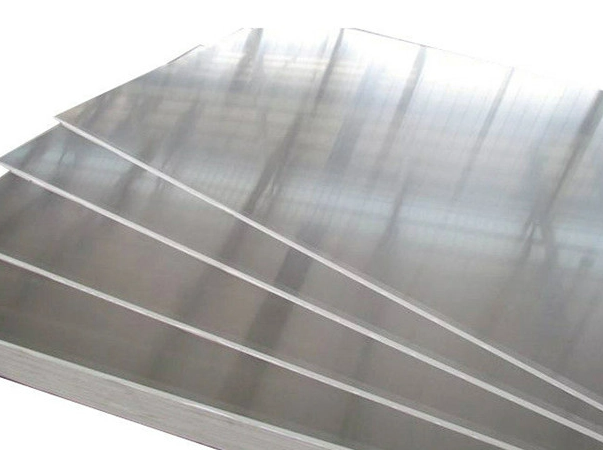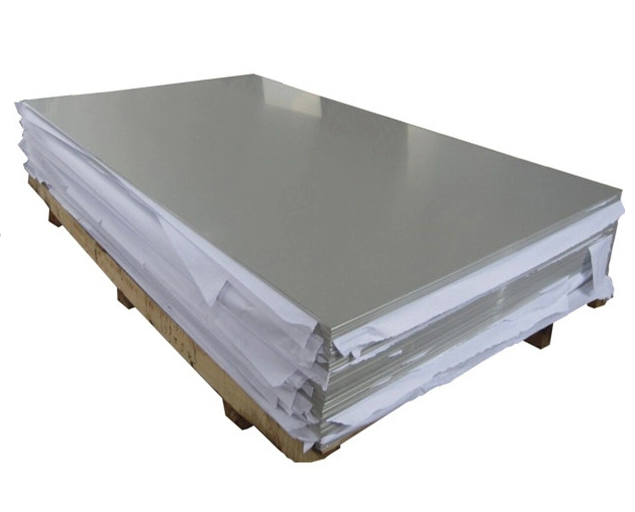
Aluminum sheets is vital in modern buildings, offering both strength and light weight that enable striking façades. Choosing the right alloy ensures durability, visual appeal, and long-term performance. In this article, you will learn how to select the proper grades by considering factors like strength, corrosion resistance, and formability, helping panels withstand environmental stresses while simplifying construction.
Understanding Aluminum Sheet Grades for Construction
Overview of Common Aluminum Series
Aluminum alloys are divided into seven series, each suited for specific construction applications. The 1000 series contains nearly pure aluminum, offering excellent corrosion resistance and easy workability, ideal for lightweight panels. The 3000 series includes manganese, providing excellent formability, making it popular for roofing, siding, and façade panels. 5000 series alloys contain magnesium, enhancing corrosion resistance for coastal and marine environments. 6000 series alloys, combining magnesium and silicon, offer a balance of strength, corrosion resistance, and workability, suitable for structural façades. The 7000 series is highly strong but less formable, often reserved for structural elements requiring superior mechanical performance.
Series | Key Alloying Element | Strength | Corrosion Resistance | Typical Applications |
1000 | Aluminum | Low | Excellent | Lightweight panels |
3000 | Manganese | Medium | Good | Roofing, cladding |
5000 | Magnesium | Medium-High | Excellent | Marine, coastal facades |
6000 | Magnesium + Silicon | Medium-High | Good | Structural panels, architectural applications |
7000 | Zinc | High | Average | High-stress structural elements |
Role of Alloying Elements
Alloying elements such as magnesium, silicon, copper, and zinc significantly influence aluminum sheet properties. Magnesium improves corrosion resistance and strengthens marine-grade panels. Silicon increases hardness and enables complex shapes during extrusion. Copper enhances strength but reduces corrosion resistance, making it suitable for interior structural components. Zinc contributes to high strength but lowers formability, making it suitable for structural frameworks rather than decorative panels. Understanding these elements helps designers select aluminum sheets that meet mechanical and aesthetic requirements.
Heat Treatment Effects
Heat treatment enhances aluminum sheet mechanical properties, particularly for 6000 and 7000 series alloys. T6 temper increases tensile strength and hardness, making panels suitable for structural façades. T651 provides additional dimensional stability, reducing warping during fabrication and installation. Heat treatment also affects fatigue resistance, which is critical in dynamic environments like high-rise buildings or coastal areas. Properly tempered aluminum sheets combine workability with structural reliability, improving both lifespan and performance.
Key Mechanical Properties
Tensile strength, fatigue resistance, and hardness determine façade stability. Higher tensile strength ensures panels withstand wind loads and mechanical stresses. Fatigue resistance is critical in areas with frequent temperature changes or vibrations. Hardness affects scratch resistance and long-term appearance. Balancing these properties ensures aluminum sheets perform under load while maintaining aesthetics.
Corrosion Resistance and Environmental Considerations
Importance for Exterior Applications
Corrosion resistance is critical for aluminum sheets used outdoors. Panels exposed to rain, humidity, or salt spray require grades that form a protective oxide layer. Coastal environments accelerate corrosion, making 5000 series alloys an ideal choice due to their marine-grade magnesium content. Even in urban settings, pollution and moisture can degrade weaker alloys over time, increasing maintenance costs. Selecting aluminum grades with superior corrosion resistance extends the lifespan of façades and panels.
Surface Treatments
Surface treatments like anodizing, powder coating, or protective films enhance corrosion resistance and aesthetics. Anodizing increases surface hardness and color retention, making façades more visually appealing. Powder coating provides additional protection against UV and chemical exposure, extending panel lifespan. Protective films prevent scratches during handling and installation, preserving surface integrity. These treatments allow lower-grade alloys to perform better in exterior applications.
Choosing Grades for Harsh Conditions
Aluminum grades such as 3000 and 5000 series balance corrosion resistance and workability. 3000 series is easier to shape and fabricate, suitable for intricate cladding designs. 5000 series offers superior strength and marine-grade corrosion protection, ideal for coastal or industrial applications. Designers must weigh corrosion resistance against ease of fabrication to select the most suitable alloy for exterior panels.
Maintenance Implications
Alloy choice directly impacts long-term maintenance costs. Grades with high corrosion resistance reduce repainting or replacement frequency. Proper surface treatment further minimizes upkeep, particularly in harsh environments. Designers should consider both initial alloy selection and protective finishes when calculating lifecycle costs for construction projects.
Formability and Workability
Bending and Shaping Aluminum Sheet
Formability is essential for architectural panels requiring curves or custom shapes. Soft alloys like 3000 series allow intricate bends without cracking. Harder alloys, including 6061 or 7075, provide strength but are limited in shaping flexibility. Selecting the correct alloy simplifies fabrication, reduces waste, and maintains panel integrity. Designers should match alloy properties to the desired design complexity for façades and cladding.
Panel Fabrication Techniques
Different fabrication methods suit different aluminum grades. Roll forming and stamping work well with soft alloys, enabling intricate cladding panels. Extrusion benefits from medium-strength alloys like 6063, offering both durability and shape complexity. Understanding the interplay between alloy and fabrication method ensures high-quality panels with minimal defects.
Managing Thickness and Panel Size
Aluminum sheet thickness influences strength, flexibility, and fabrication feasibility. Thicker panels provide greater structural stability but reduce formability. Designers should optimize thickness for load-bearing capacity without compromising shaping capabilities. Properly balancing size, thickness, and alloy type prevents warping or deformation during fabrication and installation.
Handling and Installation
The ease of handling depends on alloy flexibility and weight. Lightweight, formable panels simplify installation, reducing labor costs. Harder, high-strength alloys require careful alignment and fastening to prevent damage. Selecting aluminum sheets that balance strength and workability enhances efficiency and ensures safety during construction.
Strength and Structural Performance
Load-Bearing Requirements
Tensile and yield strength are critical factors for aluminum panels exposed to wind loads, seismic activity, or other structural forces. High-strength alloys allow panels to span wider distances without excessive bending or deflection, ensuring façade stability. Correctly assessing load requirements helps prevent deformation over time, particularly for multi-story or long-span applications. Designers must also consider dynamic stresses, such as vibrations from nearby traffic or equipment, to ensure panels maintain integrity throughout the building's lifespan.
Choosing High-Strength Alloys
6000 and 7000 series alloys are preferred for structural façades and curtain walls due to their combination of high strength and moderate corrosion resistance. These alloys support larger panels while allowing material thickness reduction, saving both weight and installation costs. They are particularly effective in high-rise buildings or long-span structures, where minimizing dead load is crucial. The proper selection of high-strength alloys ensures panels perform safely under mechanical stresses without compromising aesthetic or design flexibility.
Balancing Weight and Durability
Lightweight aluminum sheets reduce overall structural load, easing the demands on supporting frameworks. Medium-strength alloys, when combined with protective coatings, provide both corrosion resistance and visual appeal. This balance is essential in high-rise construction, where excess weight can affect structural design and installation processes. Additionally, durable alloys reduce maintenance frequency and long-term replacement costs, making them a cost-effective solution for both developers and facility managers.
Resistance to Mechanical Stress
Aluminum panels in dynamic environments must resist fatigue from repeated loading, thermal expansion, or vibrations. Alloys with high fatigue resistance, such as 6061 and select 5000 series grades, maintain long-term structural performance and prevent cracking or warping. Panels designed for such conditions ensure safety and functionality over decades. Considering mechanical stress in material selection also improves resilience against environmental wear and extends the lifecycle of both exterior and decorative panels.

Machinability, Fabrication, and Welding
Machining Aluminum Sheet
The machinability of aluminum sheets varies by alloy and affects production efficiency. Soft alloys, like 3003, cut and drill easily, reducing tool wear and accelerating fabrication. Harder grades, such as 6061 or 7075, require precise machining parameters to avoid surface defects and maintain dimensional accuracy. Choosing the appropriate alloy for the intended machining process ensures minimal waste and consistent quality across all panels, which is critical for large-scale façade projects.
Welding Considerations
Aluminum grades such as 5052 and 6061 excel in TIG, MIG, and spot welding due to their ability to resist cracking and distortion. Harder alloys, including 7075, require controlled welding conditions to prevent heat-affected zone weaknesses. Understanding welding properties is essential when designing curtain walls or structural panels that rely on joined sections. Properly welded panels ensure structural integrity, long-term safety, and a visually uniform façade.
Fastening and Assembly
Panel fastening methods depend on alloy properties, including thickness, hardness, and surface characteristics. Softer alloys allow easier riveting, bolting, or adhesive bonding, minimizing stress concentrations during installation. Correct alloy selection guarantees secure joints and uniform load distribution across the façade. It also reduces the risk of panel deformation or detachment over time, ensuring that both structural and aesthetic requirements are met efficiently.
Optimizing Production Efficiency
Selecting aluminum alloys with favorable machinability, weldability, and assembly characteristics improves fabrication speed and reduces errors. Efficient processes minimize material waste and labor costs while maintaining panel quality. Considering production efficiency during alloy selection is particularly valuable for large commercial projects, as it ensures timely installation and reduces overall project expenses without compromising performance or visual appeal.
Cost Considerations and Lifecycle Value
Comparing Material Costs
High-strength alloys, such as 7075, provide exceptional mechanical performance but have higher upfront costs. Medium-strength grades like 6061 or 5052 offer corrosion resistance and ease of fabrication at more affordable prices. Evaluating project needs against cost ensures that aluminum sheets are chosen effectively, balancing performance and budget. Prioritizing the right grade reduces the risk of overpaying while maintaining long-term durability for exterior panels.
Lifecycle Assessment
Considering maintenance, repair, and replacement over the panel’s lifespan is critical. Corrosion-resistant alloys extend façade durability, reducing the frequency of costly upkeep. Although high-performance alloys may require a higher initial investment, they often result in lower lifecycle costs, preserving both structural integrity and aesthetic appeal. Effective lifecycle planning ensures a balance between material performance and financial efficiency for building owners.
Cost-Effective Fabrication Strategies
Batch ordering, temper selection, and precise cutting techniques reduce material waste and labor requirements. Optimizing panel thickness and size improves structural performance while enhancing fabrication efficiency. Using alloys suited for easy machining and assembly further lowers costs. Strategic planning during fabrication ensures that projects stay within budget without compromising quality or durability.
Value-Based Decision Making
Balancing performance, aesthetics, and budget is crucial when selecting aluminum sheets. Strategic alloy choice guarantees both functional and visual satisfaction. Investing in corrosion-resistant and structurally appropriate grades protects the building's value over time. Decision-making based on value rather than initial cost ensures long-term benefits for developers, facility managers, and end-users alike.
Application-Specific Recommendations
Roofing and Siding Panels
3000 series aluminum provides excellent formability and corrosion resistance, making it ideal for roofing and siding panels. These alloys accommodate curved designs and complex panel layouts without cracking. Protective coatings extend the material’s lifespan, reducing repainting and replacement costs. In coastal or harsh environments, the 5000 series provides marine-grade durability, offering superior resistance to salt spray and humidity.
Curtain Walls and Facades
6000 series alloys offer the optimal combination of structural strength and formability for curtain walls and large façade panels. They allow architects to create complex geometric patterns while maintaining load-bearing capacity. Proper alloy selection ensures that panels withstand environmental stresses while preserving the intended design. This balance is critical for high-rise façades and large-scale commercial buildings.
Coastal and Marine Construction
Marine-grade 5052 aluminum excels in coastal and marine construction due to its outstanding corrosion resistance. Panels withstand saltwater exposure, high humidity, and industrial pollutants, making them suitable for piers, coastal structures, and building façades near the sea. Selecting the right alloy minimizes maintenance, protects investment, and ensures structural integrity over time.
Decorative and Architectural Features
Architectural panels often require both aesthetic appeal and mechanical performance. The 3000 series excels in formability, enabling curved panels, intricate designs, and decorative features. Protective coatings preserve color and surface finish, ensuring long-term visual appeal. Combining functional performance with design flexibility allows buildings to achieve distinctive, high-quality façades.
Conclusion
Choosing the right aluminum sheet balances strength, corrosion resistance, and formability. Yuqi Metal Material Co.,Ltd provides high-quality panels that enhance façade durability. Their products ensure easy fabrication, long-term performance, and aesthetic appeal. Working with their expertise helps optimize material selection and reduce maintenance costs for construction projects.
FAQ
Q: What is an Aluminum Sheet used for in construction panels?
A: Aluminum Sheet provides lightweight strength and corrosion resistance, ideal for façades and exterior panels. Selecting aluminum for architectural panels ensures durability and aesthetic appeal.
Q: How do I choose the best aluminum grades for façades?
A: Evaluate strength, corrosion resistance, and formability. Best aluminum grades for façades like 3000 and 5000 series suit cladding and exterior panel applications.
Q: Why is alloy selection important for cladding?
A: Choosing aluminum alloy for cladding affects structural integrity, ease of installation, and long-term maintenance, ensuring panels perform safely over time.
Q: Are Aluminum grades for exterior panels cost-effective?
A: Yes, selecting grades like 6061 balances durability, machinability, and price, reducing lifecycle costs while maintaining performance.
Q: How do I select aluminum for architectural panels?
A: Consider project load requirements, environmental conditions, and fabrication methods. Selecting aluminum for architectural panels ensures both safety and design flexibility.