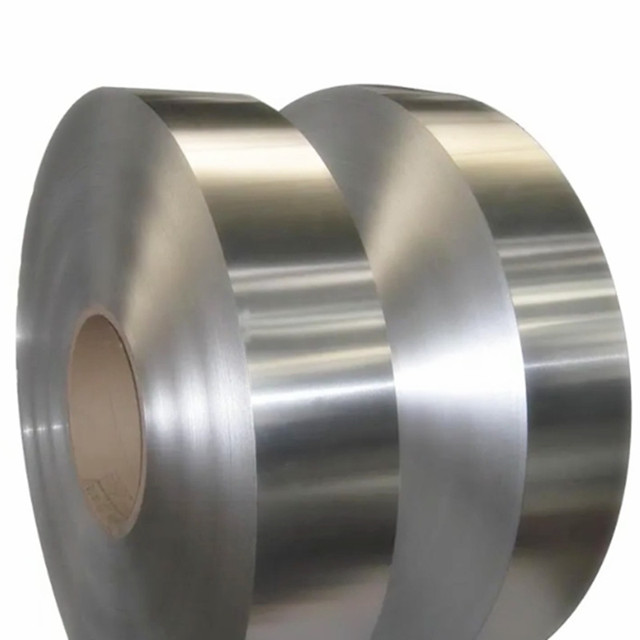
Are you planning a project that requires aluminum coils? Choosing the right aluminum coil is crucial for ensuring project success. Understanding coil thickness, alloy, and temper can make or break your project. In this post, you'll learn how to select the best aluminum coil for your needs, considering factors like application, performance, and environment.
Defining Your Project Requirements
When selecting an aluminum coil for your project, the first step is clearly defining your project requirements. Understanding the specific application, structural needs, and environmental factors will guide you in choosing the right aluminum coil thickness, alloy, and temper.
Identifying Project Type and Application
Different projects demand different aluminum coil characteristics. For instance, roofing materials require corrosion resistance and durability, while automotive panels prioritize strength and formability. Consider whether your project is structural, decorative, or functional:
Construction: Roofing sheets, wall panels, gutters, and cladding often use aluminum coils with moderate thickness and corrosion resistance.
Transportation: Vehicle body panels and trailers need coils with higher strength and impact resistance.
Packaging: Thin aluminum coils with excellent formability are preferred.
Industrial: HVAC ducts or machinery housings may require specific alloys for thermal or mechanical performance.
Knowing the intended use helps narrow down the aluminum coil thickness options and alloy types that best suit your needs.
Structural and Performance Needs
Assess the mechanical demands your project will face:
Load-bearing capacity: Will the aluminum coil support weight or resist pressure? Thicker coils or stronger alloys may be necessary.
Formability: For complex shapes, choose alloys and tempers that offer excellent bendability.
Durability: Consider resistance to dents, impacts, and wear.
Thermal and electrical properties: Some projects may require specific conductivity or insulation capabilities.
Balancing these factors ensures the aluminum coil meets both performance and manufacturing requirements.
Environmental Considerations
The environment where the aluminum coil will be used greatly influences alloy and temper selection:
Corrosive environments: Coastal or industrial areas require alloys with superior corrosion resistance, such as 5000 series.
Temperature extremes: High or low temperatures may affect material stability; certain tempers handle thermal cycling better.
UV exposure: Outdoor applications benefit from surface treatments and coatings that protect against ultraviolet degradation.
Moisture and chemical exposure: Choose alloys and finishes that resist moisture and chemical damage.
Factoring in environmental influences helps extend the lifespan and maintain the appearance of your aluminum coil products.
Tip: Clearly defining your project’s application, structural demands, and environmental conditions upfront streamlines the aluminum coil selection process and avoids costly material mismatches later.

Choosing the Right Aluminum Coil Thickness
Selecting the proper aluminum coil thickness is essential for ensuring your project meets performance, durability, and cost goals. This aluminum coil thickness guide will help you understand the key factors influencing thickness selection, common thickness standards, and how thickness impacts both performance and cost.
Factors Influencing Thickness Selection
When deciding on aluminum coil thickness for projects, consider these critical factors:
Application Requirements: Structural uses like roofing or vehicle panels demand thicker coils for strength and rigidity. For decorative or lightweight purposes, thinner coils suffice.
Load and Stress: Coils must withstand expected loads, impacts, or environmental forces. Thicker coils resist dents and deformation better.
Formability: Thinner coils are easier to bend and shape, ideal for intricate designs or deep drawing.
Environmental Exposure: In corrosive or harsh environments, thicker material offers longer service life by providing more metal to corrode before failure.
Manufacturing Process: Some processes limit minimum or maximum thickness due to tooling or equipment capabilities.
Weight Sensitivity: Transportation or portable equipment projects benefit from lighter, thinner coils to improve efficiency.
Common Thickness Standards
Aluminum coil thickness is typically measured in millimeters or inches, with gauges also used in some industries. Common aluminum coil thickness options vary by application, but typical ranges include:
| Application | Typical Thickness (mm) | Typical Thickness (inches) |
| Residential Roofing | 0.68 – 0.81 | 0.027 – 0.032 |
| Commercial Roofing | 0.81 – 1.27 | 0.032 – 0.050 |
| Gutters & Downspouts | 0.61 – 0.81 | 0.024 – 0.032 |
| Vehicle Panels | 1.0 – 3.175 | 0.040 – 0.125 |
| HVAC Ductwork | 0.40 – 1.0 | 0.016 – 0.040 |
| Beverage Cans | 0.1 – 0.25 | 0.004 – 0.01 |
These thickness ranges serve as a starting point for selecting the best aluminum coil thickness for your project requirements.
Impact on Performance and Cost
Thickness directly affects aluminum coil performance and project cost:
Strength and Durability: Thicker coils provide greater tensile strength, impact resistance, and stiffness. This reduces the risk of damage or deformation during use.
Formability: Thinner coils allow easier bending and shaping but may sacrifice strength.
Corrosion Resistance: While aluminum naturally resists corrosion, thicker material extends service life in harsh conditions.
Cost: Aluminum is priced by weight. Doubling thickness roughly doubles material cost. Over-specifying thickness can lead to unnecessary expenses.
Weight: Increased thickness adds weight, impacting transportation costs and product usability, especially in automotive or aerospace.
Balancing these factors helps you choose the best aluminum coil thickness that meets structural and budget needs without compromising efficiency.
Tip: When choosing aluminum coil thickness, prioritize your project's structural demands and manufacturing capabilities to avoid overpaying for unnecessary thickness or risking product failure due to under-specification.
Selecting the Appropriate Aluminum Alloy
Choosing the right aluminum coil alloy is a crucial step in ensuring your project meets its performance, durability, and cost targets. Selecting the correct alloy influences strength, corrosion resistance, formability, and overall suitability for your specific application. This section serves as a guide to selecting aluminum coil alloy by exploring common alloys, their properties, applications, and comparing their strengths and weaknesses.
Overview of Common Aluminum Alloys
Aluminum alloys are categorized into series based on their primary alloying elements. The most common wrought aluminum alloy series used in coils include:
1000 Series (Pure Aluminum): Composed of at least 99% aluminum, these alloys offer excellent corrosion resistance and high formability but have lower strength. Common for electrical and reflective applications.
3000 Series (Aluminum-Manganese): Known for good corrosion resistance and moderate strength. It is highly formable and often used in roofing, siding, and cooking utensils.
5000 Series (Aluminum-Magnesium): Offers high strength and excellent corrosion resistance, especially in marine environments. Widely used for truck trailers, marine components, and structural panels.
6000 Series (Aluminum-Magnesium-Silicon): Heat-treatable alloys providing a balance of strength, corrosion resistance, and good machinability. Common in structural applications, automotive parts, and architectural components.
7000 Series (Aluminum-Zinc): Known for very high strength but lower corrosion resistance. Often used in aerospace and high-performance applications.
Alloy Properties and Applications
Each alloy series has distinct mechanical and chemical properties that make it suitable for specific uses:
| Alloy Series | Key Properties | Typical Applications |
| 1000 | Excellent corrosion resistance, soft | Electrical conductors, roofing foils |
| 3000 | Good corrosion resistance, formable | Roofing, siding, cooking utensils |
| 5000 | High strength, excellent corrosion | Marine, transportation, structural |
| 6000 | Heat-treatable, balanced strength | Automotive, architectural, structural |
| 7000 | Very high strength, less corrosion | Aerospace, defense, sporting goods |
For example, if your project requires excellent corrosion resistance in a coastal environment, the 5000 series alloys like 5052 or 5083 are ideal. For decorative or lightweight construction where formability is prioritized, 3003 alloy offers a good balance.
Comparing Alloy Strengths and Weaknesses
When selecting aluminum coil alloy, consider the trade-offs:
Strength vs. Formability: Higher strength alloys (e.g., 7000 series) are less formable and may require specialized processing. Softer alloys (1000 or 3000 series) are easier to shape but have lower strength.
Corrosion Resistance: Alloys with magnesium (5000 series) provide superior corrosion resistance, especially in saltwater. Copper-containing alloys (2000 and some 7000 series) tend to corrode faster.
Weldability: 5000 and 6000 series generally offer good weldability. Some high-strength alloys require careful welding techniques.
Cost: Pure aluminum alloys (1000 series) are usually less expensive but may not meet strength requirements. Heat-treatable alloys (6000 and 7000 series) can be more costly due to processing.
By understanding these factors, you can better match the aluminum coil alloy to your project's demands.
Tip: When selecting aluminum coil alloy, prioritize your project's environmental exposure, strength requirements, and fabrication methods to ensure optimal performance and cost-efficiency.
Determining the Suitable Temper
Selecting the right aluminum coil temper is essential for balancing strength, formability, and durability in your project. Aluminum coil temper selection affects how the material behaves during manufacturing and in its final application. This guide to aluminum coil temper will help you understand temper designations, their impact on properties, and how to choose the best temper for your needs.
Understanding Temper Designations
Aluminum tempers indicate the treatment the alloy has undergone—either mechanical strain hardening or thermal processing. The temper is usually identified by a letter and number code following the alloy designation, such as "H14" or "T6."
F (As Fabricated): No special treatment; the material is in its original state.
O (Annealed): Fully softened by heat treatment; offers maximum ductility.
H (Strain Hardened): Strengthened by cold working; numbers following "H" indicate the degree and type of hardening.
T (Thermally Treated): Heat-treated to enhance strength; numbers specify the exact treatment.
For example, "H14" means strain-hardened to a half-hard temper, providing moderate strength and formability. "T6" indicates solution heat-treated and artificially aged for high strength.
Impact on Formability and Strength
Temper choice directly influences aluminum coil formability and mechanical strength:
Annealed (O Temper): Soft and highly formable; ideal for deep drawing or complex bending. However, it has lower strength and may not suit structural applications.
Strain Hardened (H Temper): Offers a balance between strength and formability. The higher the number, the harder and stronger the alloy, but the less formable it becomes.
Heat Treated (T Temper): Provides the highest strength but reduced ductility. Best for applications requiring load-bearing capacity and wear resistance.
Selecting the right temper helps avoid issues such as cracking during forming or insufficient strength in service.
Choosing Temper Based on Application
When choosing the right aluminum coil temper, consider the project’s requirements:
High Formability Needs: Use O temper or low-level H tempers (e.g., H12, H14) for easy shaping and bending in packaging, HVAC ducts, or decorative panels.
Moderate Strength and Formability: Medium-level H tempers (H18, H24) suit roofing sheets, siding, and automotive panels where some forming is required but strength is also important.
High Strength and Durability: T tempers (T4, T6) are ideal for structural components, transportation, and aerospace applications demanding superior mechanical properties.
Welding Considerations: Some tempers weld better than others. For example, 5000 series alloys in H32 or H34 temper provide good weldability with decent strength.
Always match the temper to your alloy choice and manufacturing process to optimize performance and cost.
Tip: When selecting aluminum coil temper, balance your project’s strength and formability needs by choosing a temper that ensures easy fabrication without compromising durability.
Balancing Cost and Weight
When choosing an aluminum coil for your project, balancing cost and weight is key to achieving efficiency without compromising performance. Understanding the cost implications of coil choices and weight considerations in design helps you find the right balance for your specific needs.
Cost Implications of Coil Choices
The cost of aluminum coil is primarily driven by its thickness, alloy composition, and temper. Since aluminum is priced by weight, thicker coils or those made from high-strength alloys generally cost more. Here are some cost factors to consider:
Thickness: Doubling the thickness roughly doubles the material cost for the same surface area. Selecting the best aluminum coil thickness for projects means avoiding over-specification that inflates costs unnecessarily.
Alloy: Premium alloys like 7000 series demand higher prices due to their superior strength and processing requirements, while common alloys like 3000 or 5000 series are more cost-effective.
Temper: Heat-treated tempers (T-series) often involve additional processing steps, adding to the price compared to annealed or strain-hardened tempers.
Surface Treatments: Coatings such as PVDF or anodizing increase upfront costs but can extend product lifespan, offering long-term savings.
Manufacturing Efficiency: Choosing a coil thickness and alloy compatible with your fabrication process reduces waste and rework, lowering overall expenses.
Weight Considerations in Design
Weight plays a critical role, especially in transportation, aerospace, and portable equipment projects. Aluminum coils offer excellent strength-to-weight ratios, but thickness and alloy choice directly influence final weight:
Thinner Coils: Reduce overall product weight, improving fuel efficiency and ease of handling. However, they must meet strength and durability requirements.
High-Strength Alloys: Allow for thinner gauges while maintaining performance, balancing weight savings with structural integrity.
Project Requirements: For roofing or structural panels, a thicker coil might be necessary despite added weight to ensure stability and longevity.
Environmental Impact: Lighter materials reduce transportation emissions and energy use during installation.
Finding the Right Balance for Efficiency
To optimize both cost and weight:
Assess Project Needs: Prioritize strength, durability, and formability based on application.
Select Suitable Alloy and Temper: Match alloy properties and temper to performance and processing needs to avoid over-engineering.
Use Aluminum Coil Thickness Guide: Refer to industry standards and thickness options tailored to your project.
Consult Experts: Collaborate with suppliers or engineers for tailored aluminum coil selection tips that balance budget and design goals.
By carefully balancing these factors, you can choose the right aluminum coil thickness, alloy, and temper that meet your project requirements efficiently and cost-effectively.
Tip: When balancing cost and weight, focus on selecting the thinnest aluminum coil alloy and temper combination that safely meets your project's strength and durability needs to maximize efficiency and control expenses.
Manufacturing and Processing Considerations
Choosing the right aluminum coil for your project goes beyond thickness, alloy, and temper. Manufacturing and processing factors significantly influence the final product’s quality, cost, and performance. Understanding these considerations helps you select an aluminum coil that fits your project requirements and fabrication methods.
Influence of Manufacturing Processes
The way aluminum coils are processed affects their properties and suitability for different applications:
Rolling Method: Aluminum coils are typically produced by hot or cold rolling. Hot rolling creates thicker coils with good ductility, while cold rolling results in thinner coils with a smoother surface and higher strength.
Annealing: Heat treatment during manufacturing can soften the coil, improving formability. This is crucial when complex shaping or deep drawing is involved.
Slitting and Cutting: Precision slitting ensures coil widths match project specifications, reducing waste and improving efficiency.
Coil Handling: Proper tension control during uncoiling and recoiling prevents surface defects and maintains flatness.
Selecting aluminum coil thickness and temper compatible with your manufacturing process avoids production delays and material damage.
Coating and Surface Treatment Options
Surface treatments enhance aluminum coil durability, aesthetics, and functionality:
Anodizing: Creates a protective oxide layer, improving corrosion resistance and surface hardness. Ideal for outdoor applications and architectural panels.
Color Coating: Polyvinylidene fluoride (PVDF) or polyester coatings provide weather resistance and a wide color range. Common in roofing and facade projects.
Embossing: Adds texture for improved slip resistance and decorative appeal.
Lacquering: A clear protective layer that prevents oxidation and maintains surface gloss.
Specialized Coatings: Fluorocarbon or nano-PVDF coatings offer superior UV resistance and pollution resistance, suitable for harsh environments.
Choosing the right coating depends on environmental exposure, aesthetic preferences, and maintenance requirements.
Customizing for Specific Needs
Aluminum coil suppliers often offer customization options to match unique project demands:
Width and Length: Custom coil widths up to ultra-wide sizes (e.g., 2630 mm) support large-scale construction without seams.
Thickness Range: Flexible thickness options from ultra-thin foils (0.02 mm) to heavy-duty coils (several millimeters) accommodate diverse applications.
Alloy and Temper Combinations: Tailored alloy-temper pairings optimize strength, formability, and corrosion resistance.
Packaging and Delivery: Customized packaging protects coils during transport, reducing damage and handling costs.
Surface Finishing: Specific finishes can be applied to meet architectural or industrial standards.
Collaborating with manufacturers ensures the aluminum coil matches your project’s technical and logistical requirements.
Tip: When selecting aluminum coil, align your alloy, thickness, and temper choices with manufacturing capabilities and surface treatment options to ensure seamless processing and optimal product performance.
Conclusion
Selecting the right aluminum coil involves understanding project requirements, thickness, alloy, and temper. Prioritize structural demands, environmental factors, and manufacturing processes to ensure optimal performance. Consider expert advice for tailored solutions. Yuqi Metal offers premium aluminum coils that enhance project efficiency and durability, providing valuable support for your specific needs.
FAQ
Q: What factors should I consider when choosing aluminum coil thickness for projects?
A: When choosing aluminum coil thickness for projects, consider application requirements, load and stress, formability, environmental exposure, manufacturing process capabilities, and weight sensitivity. This aluminum coil thickness guide helps ensure your choice meets performance and cost goals.
Q: How do I select the appropriate aluminum coil alloy for specific needs?
A: Selecting aluminum coil alloy involves assessing corrosion resistance, strength, formability, weldability, and cost. Match alloy properties to your project's environmental exposure and structural demands for optimal performance.
Q: What is the importance of aluminum coil temper selection?
A: Aluminum coil temper selection influences strength, formability, and durability. Understanding temper designations helps choose the best option for your application, balancing fabrication ease and mechanical requirements.
Q: How can I balance cost and weight when choosing aluminum coil for project requirements?
A: Balancing cost and weight involves selecting the thinnest aluminum coil thickness that meets strength needs, choosing cost-effective alloys, and optimizing temper for processing efficiency, ensuring project goals are met efficiently.