Did you know that the secret to efficient heat exchangers lies in a special type of aluminum coil? Hydrophilic aluminum foil plays a crucial role in modern refrigeration systems. This article explores its definition, composition, and the vital role hydrophilicity plays in enhancing heat exchangers. You'll learn why it's indispensable in today's refrigeration technology.
Understanding Aluminum Coil in Heat Exchangers
Aluminum Coil Basics
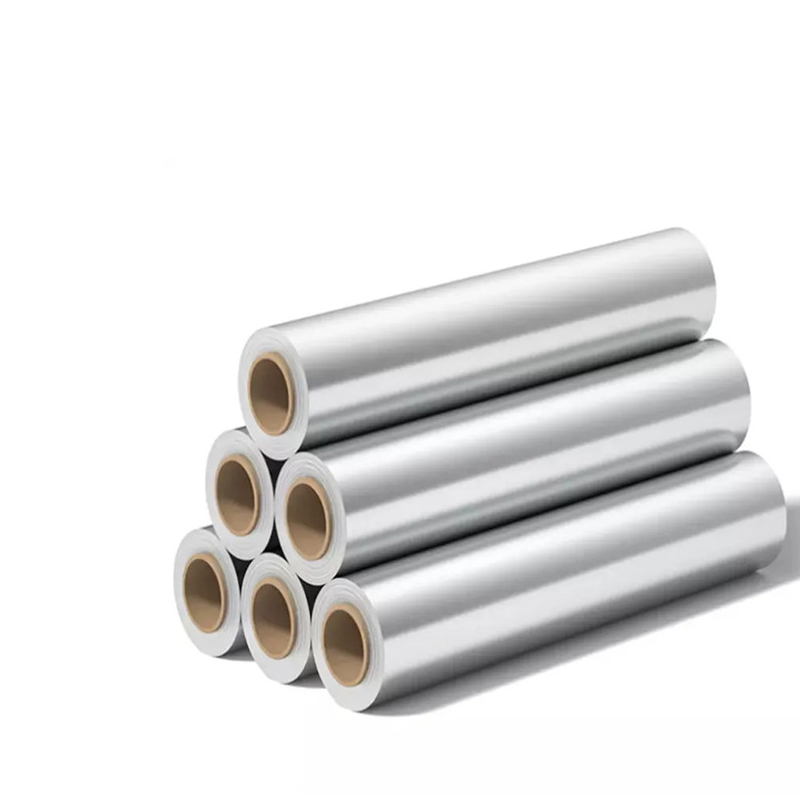
Aluminum coil is a fundamental component in heat exchangers, especially in air conditioning and refrigeration systems. It consists of thin sheets of aluminum, often in the form of aluminum coil rolls or aluminum sheet coils, that are shaped and assembled to facilitate efficient heat transfer. The aluminum coil sheet is prized for its excellent thermal conductivity, lightweight nature, and corrosion resistance. These properties make it ideal for use in heat exchangers like aluminum evaporators and condensers.
Typically, aluminum coils are available as aluminum foil coils or aluminium foil coils, which are processed to meet specific thickness and width requirements. The coils are often sourced from aluminum coil distributors who provide various grades and tempers to suit different applications. The aluminum coil price varies depending on alloy composition, thickness, and treatment processes.
Advantages of Using Aluminum Coil
Using aluminum coil in heat exchangers offers several benefits:
High Thermal Conductivity: Aluminum efficiently transfers heat, improving the performance of heat exchangers.
Corrosion Resistance: Aluminum naturally forms a protective oxide layer, and when combined with hydrophilic foil treatment, it gains enhanced resistance to corrosion.
Lightweight and Durable: Aluminum coils reduce the overall weight of the system without compromising strength.
Cost-Effective: Aluminum coil price is generally competitive compared to other metals, making it a budget-friendly option.
Formability: Aluminum coils can be easily shaped into fins or tubes, which is essential for intricate heat exchanger designs.
Compatibility with Hydrophilic Coatings: Hydrophilic aluminum foil coatings improve water dispersion, reducing condensation issues and enhancing heat exchange efficiency.
Aluminum Coil vs Other Materials
When compared to other metals like copper or steel, aluminum coils stand out for several reasons:
| Feature | Aluminum Coil | Copper Coil | Steel Coil |
| Thermal Conductivity | High (approx. 205 W/m·K) | Very High (approx. 385 W/m·K) | Lower (approx. 50 W/m·K) |
| Weight | Lightweight | Heavier | Heaviest |
| Corrosion Resistance | Excellent, especially with hydrophilic treatment | Good, but prone to oxidation | Prone to corrosion |
| Cost | Moderate to low | Higher | Low |
| Ease of Fabrication | Excellent | Good | Moderate |
While copper has superior thermal conductivity, aluminum coil offers better corrosion resistance and is lighter, which is critical in modern refrigeration systems. Additionally, the hydrophilic aluminum foil treatment applied to aluminum coils further enhances their performance by promoting water spread and reducing energy consumption.
In summary, aluminum coils, especially those treated with hydrophilic coatings, are the preferred choice for heat exchanger components such as aluminum evaporators and condensers in air conditioners and refrigeration units. They balance efficiency, durability, and cost, making them indispensable in HVAC industries.
Tip: When selecting aluminum coil distributors, consider suppliers that offer hydrophilic aluminum foil options to maximize heat exchanger efficiency and longevity.
Hydrophilic Treatment Process
Step-by-Step Hydrophilic Coating Process
Hydrophilic aluminum foil is produced by applying a specialized coating to ordinary aluminum coil rolls or aluminum sheet coils. The process typically follows these steps:
Uncoiling: The aluminum coil roll is unrolled to prepare the surface for treatment.
Pretreatment: The surface undergoes cleaning and chemical conditioning to remove impurities and enhance coating adhesion.
Coating Application: A hydrophilic layer is applied using roller coating technology. This coating promotes water spreading on the foil surface.
Drying: The coated aluminum coil is passed through drying ovens to cure the coating.
Re-coating (if needed): For higher performance, a second hydrophilic or corrosion-resistant coating may be applied, followed by another drying stage.
Recoiling: The treated aluminum foil coil is rolled back for shipment or further processing.
This method ensures that the hydrophilic foil for heat exchangers has a uniform, durable coating that improves heat exchanger efficiency by preventing water droplet formation.
Role of Pretreatment
Pretreatment is a critical step in producing high-quality hydrophilic aluminum foil. It enhances the bonding between the aluminum coil surface and the hydrophilic coating. Without proper pretreatment, the coating may peel or degrade quickly, reducing the aluminum coil's lifespan and performance.
The pretreatment involves degreasing, cleaning, and sometimes chemical etching. This creates an ideal surface texture and chemistry for the coating to adhere firmly. For aluminum coil anodizing corp processes, pretreatment ensures corrosion resistance and durability, especially in harsh environments.
Single vs Double Coating
Hydrophilic aluminum foil can be coated once or twice, depending on performance requirements:
Single Coating: This usually combines hydrophilic and corrosion-resistant properties in one layer. It is sufficient for many standard applications like household air conditioners and refrigerators.
Double Coating: The first layer focuses on corrosion resistance, while the second enhances hydrophilicity. This approach is common in high-end or industrial aluminum evaporators and condensers, where durability and efficiency are paramount.
Double coating can improve the aluminum coil's resistance to alkali, salt spray, and heat, extending the life of the heat exchanger and maintaining optimal thermal performance.
Tip: When sourcing hydrophilic aluminum foil, check if your aluminum coil distributor offers pretreatment and double coating options to ensure maximum durability and heat exchange efficiency.
Benefits of Hydrophilic Aluminum Foil in Heat Exchangers
Enhanced Heat Exchange Efficiency
Hydrophilic aluminum foil significantly improves heat exchange efficiency in heat exchangers by promoting the rapid spread of condensed water. Unlike plain aluminum foil, where water droplets form and accumulate, hydrophilic aluminum foil causes condensation to spread evenly as a thin film. This effect increases the effective heat exchange area, allowing faster cooling or heating cycles.
In practical terms, hydrophilic foil for heat exchangers can boost heat exchange rates by 5% to 15%, depending on the system design. This improvement is crucial in air conditioners and refrigerators, where aluminum coil sheets serve as fins. The enhanced water dispersion reduces "water bridge" formation between fins, which otherwise blocks airflow and lowers efficiency.
Corrosion Resistance and Durability
Another key benefit of hydrophilic aluminum foil lies in its superior corrosion resistance. The hydrophilic coating typically includes corrosion-resistant layers that protect the aluminum coil roll or aluminum sheet coil from oxidation and mold growth. This protection extends the lifespan of components like aluminum evaporators and condensers.
Corrosion resistance is especially important in environments with high humidity or exposure to salt spray. Hydrophilic aluminum foil undergoes rigorous testing, including salt spray and alkali resistance tests, to ensure durability. This robustness reduces maintenance costs and downtime for HVAC systems.
Noise Reduction and Energy Saving
The even water film formed on hydrophilic aluminum foil also contributes to noise reduction. Water droplets on plain aluminum foil can cause vibration and noise when airflow passes through the heat exchanger fins. By preventing droplet formation, hydrophilic aluminum foil minimizes this vibration noise.
Moreover, the improved airflow and heat transfer efficiency translate into energy savings. HVAC systems using hydrophilic aluminum foil require less power to achieve the same cooling or heating effect. This results in lower aluminum coil price impact over time due to reduced operational costs.
Tip: When selecting aluminum coil distributors, prioritize those offering hydrophilic aluminum foil options with proven corrosion resistance and hydrophilic performance to maximize heat exchanger efficiency and durability.

Applications of Hydrophilic Aluminum Foil
Hydrophilic aluminum foil plays a vital role in various heat exchanger applications due to its unique surface properties. Its ability to promote water spreading and resist corrosion makes it indispensable across multiple sectors, especially where aluminum coils and aluminum coil sheets are used.
Air Conditioners and Refrigerators
In air conditioners and refrigerators, hydrophilic aluminum foil is primarily used as fin stock on aluminum evaporators and condensers. The hydrophilic coating on the aluminum foil coil ensures that condensed water spreads evenly, preventing droplet formation that can block airflow. This feature enhances the heat exchange efficiency by 5% to 15%, reducing energy consumption and improving system performance.
Household and commercial air conditioning units benefit greatly from hydrophilic aluminum foil. It helps maintain optimal ventilation by reducing water bridge effects between fins. Moreover, the corrosion resistance extends the lifespan of components exposed to humid environments. Aluminum coil distributors often supply hydrophilic aluminum foil in various alloy types, such as 8011 or 3102, tailored to different refrigeration needs.
Automotive Air Conditioning Systems
Automotive air conditioning systems also rely on hydrophilic aluminum foil to boost efficiency and durability. Vehicles experience varying temperature and humidity conditions, which can accelerate corrosion and reduce heat exchanger performance. Using hydrophilic aluminum foil on aluminum coil rolls within evaporators and condensers helps mitigate these issues.
The hydrophilic coating prevents water droplets from forming and causing blockages, ensuring smooth airflow and consistent cooling. Additionally, the coating reduces vibration noise caused by water droplets on fins, contributing to a quieter cabin environment. Automotive manufacturers often specify hydrophilic aluminum foil to meet stringent durability and environmental standards.
Ventilation and Heating Systems
Ventilation and heating systems use hydrophilic aluminum foil to optimize heat transfer and ensure long-term reliability. In HVAC units, aluminum coil sheets with hydrophilic treatment improve moisture management, preventing mold growth and corrosion inside ducts and heat exchangers.
The hydrophilic foil for heat exchangers enhances airflow by reducing resistance from water accumulation. This leads to better energy efficiency and quieter operation. Systems in commercial buildings and industrial facilities particularly benefit from these properties, as they often operate under continuous or heavy-duty conditions.
Tip: When selecting aluminum coil distributors, prioritize those offering hydrophilic aluminum foil specifically designed for your application—whether air conditioning, automotive, or ventilation—to ensure maximum heat exchanger efficiency and durability.
Performance Indicators and Testing
Hydrophilicity Measurement
Hydrophilicity is a key performance indicator for hydrophilic aluminum foil used in heat exchangers. It measures how well the aluminum coil surface attracts and spreads water, preventing droplet formation. This property is quantified by the water contact angle—the angle formed between a water droplet and the aluminum foil surface.
Ordinary aluminum foil typically has a contact angle above 70°, meaning water tends to bead up.
Hydrophilic aluminum foil shows a contact angle below 35°, allowing water to spread as a thin film.
Lower contact angles indicate better hydrophilicity, which enhances heat exchange efficiency by increasing the surface area exposed to air and improving condensation management. Some high-performance hydrophilic foil for heat exchangers can achieve contact angles as low as 5°, maintaining this property continuously during operation.
Environmental Resistance Tests
Hydrophilic aluminum foil must withstand harsh environmental conditions without degrading. Manufacturers conduct several tests to ensure durability:
Salt Spray Test: Simulates exposure to marine or salty environments. The aluminum coil roll or aluminum sheet coil must show no corrosion spots after 500 hours or more.
Alkali Resistance Test: The foil is immersed in a 20% sodium hydroxide (NaOH) solution at room temperature for a few minutes. No bubbling or blistering should occur, confirming chemical resistance.
Heat Resistance Test: The coated aluminum coil is exposed to elevated temperatures (up to 200°C or 300°C) for several minutes. The coating should maintain its adhesion, color, and hydrophilic properties without discoloration or peeling.
Solvent and Oil Resistance Tests: These check the coating's stability when in contact with volatile oils or solvents, ensuring no blistering or degradation.
These tests guarantee the aluminum coil anodizing corp processes produce hydrophilic aluminum foil rolls that are reliable in different climates and applications.
Adhesion and Durability
Strong adhesion between the hydrophilic coating and the aluminum coil surface is essential for long-term performance. Adhesion tests include:
Cross-Cut or Grid Test: The coated foil surface is scored in a grid pattern, then tape is applied and removed to check if the coating peels off.
Cupping Test: The foil is pressed into a dome shape to simulate mechanical deformation. The coating should not flake or crack.
Durability also involves resistance to abrasion and mold wear during manufacturing and operation. Hydrophilic aluminum foil must maintain its properties after stamping, rolling, and bending, which are common in heat exchanger production.
Tip: When evaluating hydrophilic aluminum foil options, request detailed test reports on hydrophilicity, corrosion resistance, and adhesion to ensure the aluminum coil distributor provides products that meet your heat exchanger’s performance and longevity requirements.
Comparing Hydrophilic and Plain Aluminum Foil
Surface Treatment Differences
The primary distinction between hydrophilic aluminum foil and plain aluminum foil lies in their surface treatment. Plain aluminum coil or aluminium coil sheet is untreated, retaining its natural surface properties. This results in water droplets forming beads that easily accumulate during condensation, leading to water bridges that block airflow in heat exchangers.
In contrast, hydrophilic aluminum foil undergoes a specialized coating process. This hydrophilic foil for heat exchangers features a thin layer that drastically lowers the water contact angle, encouraging condensed water to spread uniformly as a thin film rather than forming droplets. The coating often includes corrosion-resistant components, enhancing durability. This treatment is typically applied on aluminum foil coils or aluminum sheet coils sourced from aluminum coil distributors specializing in treated products.
| Feature | Plain Aluminum Foil | Hydrophilic Aluminum Foil |
| Surface Treatment | None | Hydrophilic coating + corrosion resistance |
| Water Contact Angle | >70° (water beads) | <35° (water spreads evenly) |
| Corrosion Resistance | Moderate | Enhanced with coating |
| Noise Reduction | No | Yes, reduces vibration noise |
| Energy Efficiency | Lower due to water droplet buildup | Higher due to better condensation management |
Impact on Heat Exchange Efficiency
Hydrophilic aluminum foil significantly improves heat exchange efficiency compared to plain foil. When condensed water spreads evenly, it increases the effective heat transfer surface area. This prevents blockage between fins made from aluminum coil rolls or aluminium coil rolls, facilitating better airflow and faster heat dissipation.
Studies show hydrophilic coatings can boost heat exchange rates by 5% to 15% in systems using aluminum evaporators or condensers. This efficiency gain reduces energy consumption and operational costs, making hydrophilic aluminum foil a smart choice despite a potentially higher aluminum coil price.
Additionally, the even water film formed on hydrophilic foil minimizes noise caused by water droplet vibrations, improving user comfort in air conditioners and refrigeration systems.
Environmental and Health Benefits
Hydrophilic aluminum foil also offers environmental and health advantages over plain foil. The corrosion-resistant coating prevents the formation of white oxidation powder, which can blow into indoor spaces from air conditioners. This reduces indoor air contamination and meets increasingly strict environmental protection standards.
Moreover, the hydrophilic surface discourages mold and bacterial growth on aluminum coil sheets, enhancing hygiene and reducing maintenance needs. This is especially important in ventilation and heating systems where air quality is critical.
By choosing hydrophilic aluminum foil from reputable aluminum coil anodizing corp providers, manufacturers ensure compliance with environmental regulations and promote energy-saving technologies.
Tip: When purchasing aluminum coil, always compare plain and hydrophilic aluminum foil options to balance upfront aluminum coil price with long-term benefits like improved heat exchange efficiency, corrosion resistance, and reduced noise.
Conclusion: The Future of Hydrophilic Aluminum Foil in Heat Exchangers
Hydrophilic aluminum foil enhances heat exchangers with better water dispersion, corrosion resistance, and energy efficiency. Innovations may improve performance and durability further, impacting HVAC systems positively. Yuqi Metal offers advanced hydrophilic aluminum foil, ensuring quality and value in heat exchanger applications.
FAQ
Q: What is hydrophilic aluminum foil in heat exchangers?
A: Hydrophilic aluminum foil is a specialized aluminum coil treated with a coating that enhances water spreading, improving heat exchange efficiency by preventing droplet formation. This treatment is crucial in aluminum evaporators and condensers, enhancing system performance.
Q: How does hydrophilic aluminum foil improve heat exchanger efficiency?
A: By promoting even water dispersion on aluminum coil sheets, hydrophilic aluminum foil increases the effective heat transfer area, reducing energy consumption and enhancing cooling or heating cycles in systems like aluminum evaporators.
Q: Why is aluminum coil preferred in heat exchangers over other materials?
A: Aluminum coil is favored due to its high thermal conductivity, lightweight nature, and excellent corrosion resistance, especially when treated with hydrophilic coatings. These properties make it ideal for efficient heat exchange in aluminum evaporators and condensers.
Q: What factors influence aluminum coil price for heat exchangers?
A: Aluminum coil price varies based on alloy composition, thickness, treatment processes like hydrophilic coating, and sourcing from aluminum coil distributors. These factors determine the coil's suitability for specific heat exchanger applications.


