![How to Prevent Aluminum Coils from Oxidizing During Storage with Smart Storage Choices]()
You protect the long-term quality of your aluminum coil by making smart storage choices. Yuqi Metal delivers high-quality aluminum coil designed for durability and corrosion resistance. Proper storage prevents condensation, water stains, and rust. You can see the impact of key practices in the table below:
Key Practice | Impact on Quality and Usability |
Environment | Prevents condensation, water stains, or rust |
Original Packaging | Reduces exposure to damage |
Re-Banding | Prevents scratching and ensures safety |
Racking Systems | Avoids crushing and edge damage |
Floor Pads | Isolates coils from moisture and impact |
How to Prevent Aluminum Coils from Oxidizing During Storage starts with understanding your alloy, application, and facility. You should always match storage to your needs.
Key Takeaways
Choose a cool, dry storage environment to minimize oxidation risks. Keep humidity below 50% and temperatures between 15°C and 25°C.
Organize aluminum coils by alloy series and specifications. This prevents cross-contamination and helps maintain quality.
Use protective packaging like plastic film and coatings to block moisture and contaminants. Consider using Vapor Corrosion Inhibitors for added protection.
Implement a regular inspection routine. Check for moisture, surface changes, and packaging integrity to catch issues early.
Utilize racking systems for better organization and to prevent damage. Avoid traditional stacking to reduce risks of crushing and scratches.
Consider vacuum-sealed packaging for long-term storage. This method provides the highest level of protection against oxidation and moisture.
Combine multiple storage methods for enhanced protection. Layering strategies like climate control and protective packaging can significantly extend coil lifespan.
Train staff on proper handling and storage practices. Educate them on recognizing early signs of oxidation and maintaining optimal storage conditions.
Why Aluminum Coils Oxidize During Storage
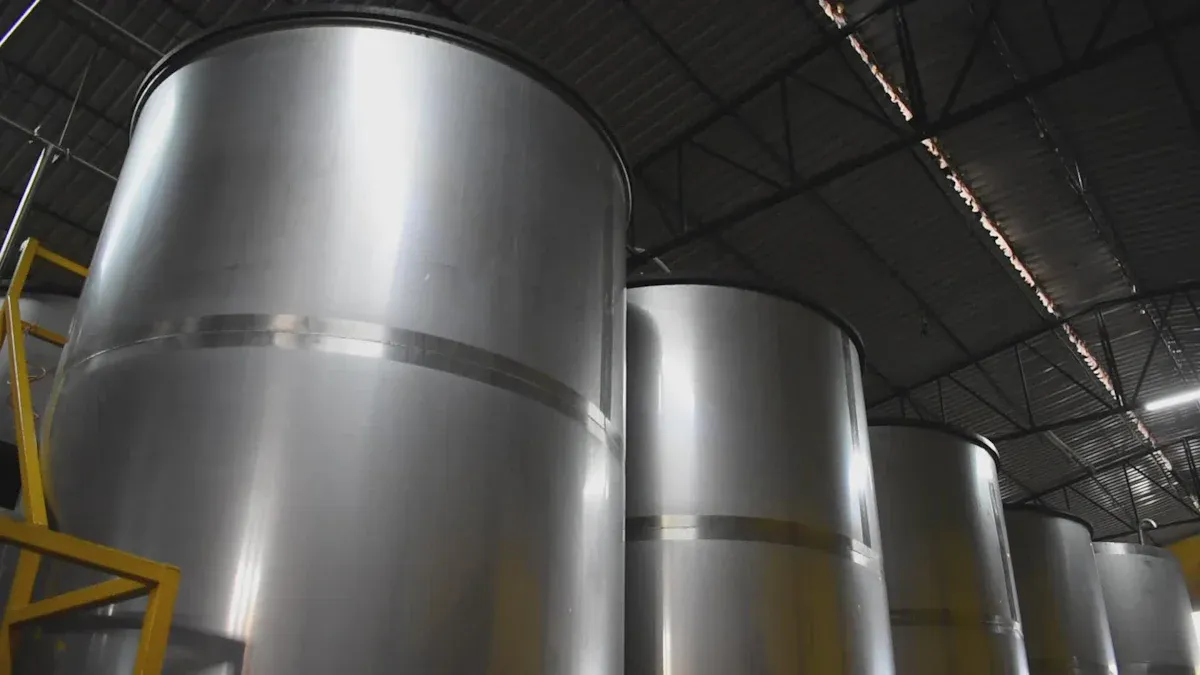
![Why Aluminum Coils Oxidize During Storage]()
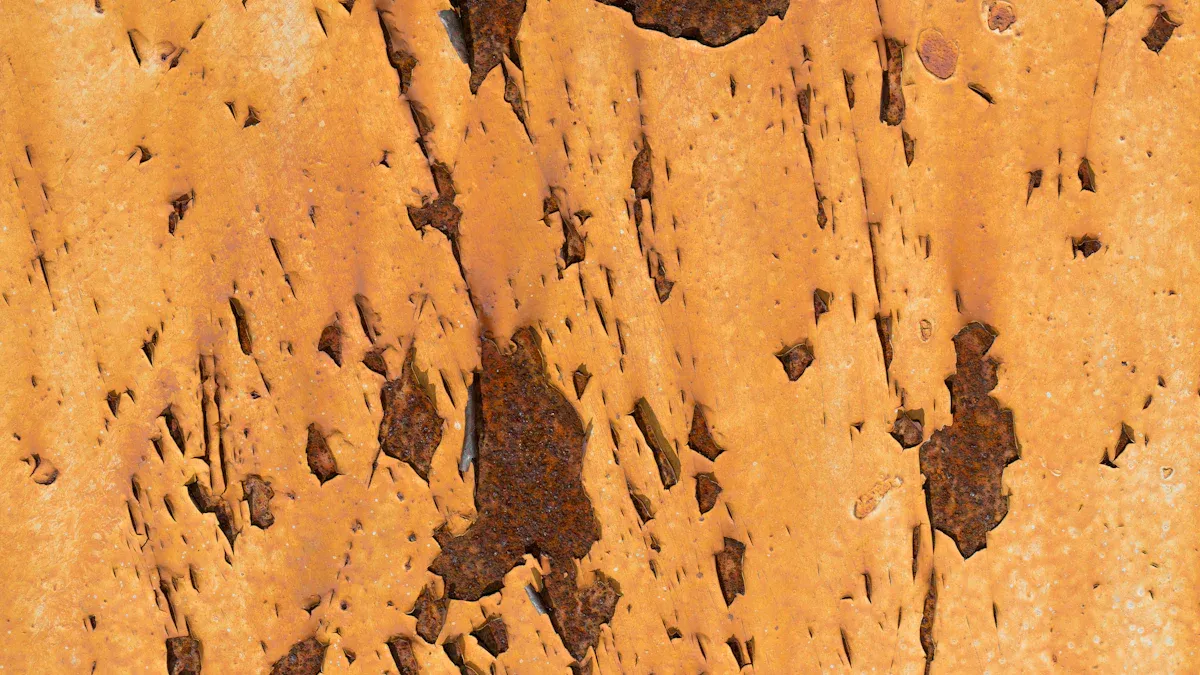
You need to understand the chemical and environmental factors that cause oxidation in aluminum coils. The characteristics of aluminum coil make it highly reactive with oxygen. When you store aluminum coils, they form a thin layer of aluminum oxide (Al₂O₃) on the surface. This layer usually protects the metal, but moisture and contaminants can break it down. When water condenses on the coil, aluminum reacts with it, producing hydrated aluminum oxide and hydrogen gas. This process leads to corrosion, especially in humid environments.
Moisture and Air Exposure
Humidity Effects
Humidity plays a major role in the corrosion of aluminum coils. When you store coils in a damp environment, moisture reduces the thickness of the protective oxide layer. Over time, corrosion resistance decreases. You see more water stains and surface damage. Laboratory tests show that:
Increased exposure to moisture and air results in a reduction of the protective coating thickness.
There is a deterioration in corrosion resistance over time due to moisture and air exposure.
Long-term atmospheric corrosion tests provide valuable insights into the corrosion behavior of aluminum alloys.
Airborne Contaminants
Airborne contaminants, such as dust and industrial pollutants, can settle on the coil surface. These particles disrupt the characteristics of aluminum coil and weaken the oxide layer. You notice faster corrosion when contaminants mix with moisture. This combination accelerates the breakdown of the protective layer.
Temperature Fluctuations
Temperature changes affect the characteristics of aluminum coil during storage. Cooler temperatures cause condensation on the metal surface. When moisture combines with oxygen, oxidation begins. You also need to watch for higher temperatures. Experiments show that oxidation rates increase between 200–280 °C. Impurities in the alloy, such as silicon, iron, copper, and magnesium, can either slow down or speed up corrosion, depending on their concentration.
Cooler temperatures can lead to condensation on aluminum surfaces, creating moisture that, when combined with oxygen, initiates the oxidation process.
The oxidation vulnerability of aluminum is significantly influenced by temperature, with experiments showing that higher temperatures (200–280 °C) increase oxidation rates.
The presence of impurities in aluminum alloys, such as Si, Fe, Cu, and Mg, can inhibit or enhance oxidation, depending on their concentration and nature.
Alloy Sensitivity
Different alloys have unique characteristics of aluminum coil. Some alloys react quickly with oxygen and moisture. You find that aluminum alloys are naturally prone to reacting with the atmosphere. They actively seek to bond with oxygen atoms found in the air. Al-Sn bearing alloys show specific oxidation behavior. As time passes, oxidation increases, leading to poor adhesion and coating failures. You must choose the right alloy for your application to reduce corrosion risk.
Aluminum alloys are naturally prone to reacting with the atmosphere.
They are highly sensitive to oxidation, actively seeking to bond with oxygen atoms found in the air.
Al-Sn bearing alloys are known for their oxidation behavior.
Oxidation increases with time, leading to poor adhesion and coating failures.
Tip: You can minimize corrosion by selecting Yuqi Metal’s alloy series that best match your storage environment and application needs.
How to Prevent Aluminum Coils from Oxidizing During Storage
Store in Cool, Dry Environments
You protect your aluminum coil from corrosion by choosing a cool, dry environment for storage. Moisture and temperature changes increase the risk of oxidation. You keep humidity levels below 50% to minimize water stains and surface damage. Dehumidifiers and desiccants help you control moisture in your facility. You maintain storage temperatures between 15°C and 25°C (59°F to 77°F) to reduce oxidation. You avoid placing coils near doors, windows, or areas with frequent temperature fluctuations. You create a controlled environment that preserves the quality of your aluminum coil for all applications.
Tip: You monitor humidity and temperature regularly to ensure your storage area stays within recommended limits.
Separate Storage by Alloy and Specification
You organize your aluminum coil inventory by alloy series and specifications. Each alloy reacts differently to environmental factors. You store 1000, 3000, 5000, and 6000 series coils in separate racks or designated areas. You prevent cross-contamination and reduce the risk of corrosion. You match storage methods to the intended applications of each coil. For example, you keep marine-grade coils away from general-purpose coils to maintain their integrity. You label racks clearly to avoid confusion and ensure quick access. You protect your aluminum coil by respecting its unique properties.
Note: You improve traceability and quality control by separating coils according to alloy and specification.
Use of Protective Packaging and Coatings
You add an extra layer of defense against corrosion by using protective packaging and coatings. You wrap your aluminum coil in plastic film to block moisture and airborne contaminants. You select custom covers that provide a physical barrier. You infuse covers with Vapor Corrosion Inhibitors (VCI) to actively prevent oxidation. You choose coatings that match the requirements of your applications. You store coils in a manner that maintains their pristine condition.
Method | Description |
Plastic Film | Wrap the coils in plastic film to prevent moisture exposure. |
Humidity Control | Maintain humidity levels below 50% using dehumidifiers or desiccants. |
Temperature Management | Store coils at temperatures between 15°C to 25°C (59°F to 77°F) to minimize oxidation. |
VCI Technology | Use coatings infused with Vapor Corrosion Inhibitors to create a protective layer against corrosion. |
Controlled Environment Storage | Store in a controlled environment to manage temperature, humidity, and air quality effectively. |
You combine packaging and coatings with smart storage choices to maximize protection. You ensure your aluminum coil stays ready for all applications, from construction to automotive and HVAC.
Callout: You extend the lifespan of your aluminum coil and reduce maintenance costs by using advanced packaging and coatings.
Regular Inspection and Maintenance
You protect your aluminum coils best when you make inspection and maintenance a routine part of your storage process. Oxidation can start slowly and spread before you notice visible damage. Regular checks help you catch early signs of corrosion, moisture, or packaging failure. You keep your coils in top condition and avoid costly repairs or replacements.
Here’s how you can set up an effective inspection and maintenance routine:
Schedule Routine Inspections
You set a fixed schedule for checking your aluminum coils. Weekly or bi-weekly inspections work well for most storage environments. You adjust the frequency if your facility has higher humidity or temperature changes.
Check for Moisture and Condensation
You look for water droplets, damp spots, or condensation on coil surfaces and packaging. You pay special attention to coils stored near doors, windows, or HVAC vents.
Inspect Packaging and Coatings
You examine plastic wraps, covers, and coatings for tears, holes, or signs of wear. You replace damaged packaging right away to prevent moisture from reaching the metal.
Monitor for Surface Changes
You look for discoloration, white spots, or powdery residue. These signs often mean oxidation has started. You address these issues quickly to stop further damage.
Test Humidity and Temperature Levels
You use hygrometers and thermometers to check storage conditions. You record the readings and compare them to recommended levels for your alloy series.
Clean and Repackage as Needed
You remove dust, dirt, or contaminants from coil surfaces using soft, non-abrasive materials. You rewrap coils if you find any packaging defects.
Tip: You keep a simple inspection log. You note the date, findings, and any actions taken. This helps you track trends and spot recurring problems.
Sample Inspection Checklist for Yuqi Metal Aluminum Coils
Inspection Point | What to Look For | Action to Take |
Coil Surface | Discoloration, stains, residue | Clean or report immediately |
Packaging Integrity | Tears, holes, loose wrapping | Replace or repair packaging |
Storage Environment | High humidity, condensation | Adjust controls, add desiccant |
Alloy Identification | Correct labeling, separation | Relabel or reorganize |
Storage Racks/Flooring | Rust, moisture, debris | Clean and dry surfaces |
You train your staff to recognize early warning signs. You encourage them to report any issues right away. You also review your inspection results regularly. This helps you improve your storage practices and keep your Yuqi Metal aluminum coils in the best possible condition.
Alert: You never ignore small problems. Early action saves you time, money, and product quality.
Overview of Coil Storage Methods
Open-Air Storage
You may see open-air storage used for aluminum coil in facilities with limited indoor space. This method exposes coils to the environment. You place coils on pallets or cradles to keep them off the ground. You use dunnage to distribute the load and protect against moisture. Coil padding or cushions help prevent direct contact with floors. You must monitor weather conditions closely. Rain, humidity, and airborne contaminants increase the risk of oxidation. You choose open-air storage for short-term needs or when you have rapid turnover. You avoid this method for long-term custom coil storage.
Note: You reduce damage by using pallets and cradles. You protect aluminum coil from rolling and maintain its shape.
Covered Storage
You improve protection by using covered storage for aluminum coil. You place coils under roofs, canopies, or tarps. You shield coils from direct sunlight, rain, and dust. You use custom coil storage solutions like cradles and pallets to keep coils stable. Dunnage helps prevent moisture from reaching the metal. Coil padding provides extra cushioning. You organize coils by alloy and specification to avoid cross-contamination. You inspect covers regularly for tears or leaks. You choose covered storage for medium-term custom coil storage or when you need extra protection without full climate control.
Storage Feature | Benefit for Aluminum Coil |
Roofs/Canopies | Block rain and sunlight |
Tarps | Shield from dust and contaminants |
Cradles/Pallets | Maintain coil shape and stability |
Dunnage | Prevent moisture damage |
Coil Padding | Avoid direct floor contact |
Tip: You extend coil life by combining covered storage with custom coil storage accessories.
Climate-Controlled Storage
You achieve the highest level of protection with climate-controlled storage. You store aluminum coil in environments where you control temperature and humidity. You use dehumidifiers and air conditioning to keep humidity below 50%. You maintain temperatures between 15°C and 25°C. You rely on custom coil storage racks, cradles, and pallets to organize coils. Dunnage and coil padding prevent surface damage. You monitor conditions with sensors and inspection logs. You choose climate-controlled storage for long-term custom coil storage or when you handle high-value aluminum coil. You minimize oxidation and preserve coil quality for demanding applications.
Callout: You maximize performance and longevity by investing in climate-controlled custom coil storage.
Vacuum-Sealed Packaging
You can achieve exceptional protection for your aluminum coil by using vacuum-sealed packaging. This method involves placing the coil inside a specially designed bag or wrap, then removing all air to create a hermetic seal. You block oxygen, moisture, and contaminants from reaching the metal surface. The vacuum-sealed environment keeps your coil safe during storage and transportation.
Vacuum-sealed packaging stands out because it creates a barrier that is nearly impossible for air or water to penetrate. You prevent oxidation by eliminating the main causes—oxygen and humidity. You also shield your coil from ultraviolet light and microorganisms. This method works well for long-term storage, especially when you need to maintain the pristine condition of your Yuqi Metal aluminum coil.
You can see the effectiveness of vacuum-sealed packaging in the table below:
Benefit | Description |
Barrier Properties | Aluminum coils are impervious to oxygen, moisture, UV light, and microorganisms. |
Prevention of Oxidation | The hermetic seal prevents oxidation, moisture loss, and microbial contamination. |
Shelf Life Extension | Perishable items maintain freshness, flavor, and nutritional value for extended periods. |
You extend the shelf life of your aluminum coil by using vacuum-sealed packaging. You maintain the original surface finish and prevent water stains or corrosion. This method is especially valuable for coils that require long-term storage or must remain in perfect condition for demanding applications.
You should consider vacuum-sealed packaging if your facility faces high humidity or frequent temperature changes. You also benefit from this method when you ship coils over long distances. The packaging protects against environmental fluctuations and accidental exposure to contaminants.
Tip: You combine vacuum-sealed packaging with proper handling and storage racks to maximize protection. You avoid puncturing the seal and inspect the packaging regularly for any signs of damage.
You can request vacuum-sealed packaging as a custom option when ordering from Yuqi Metal. You ensure your aluminum coil arrives and stays in top condition, ready for use in construction, automotive, HVAC, or packaging industries.
Vacuum-sealed packaging gives you peace of mind. You know your coil is safe from oxidation, moisture, and environmental hazards. You invest in this method to preserve quality and reduce maintenance costs over time.
Coil Storage Racking Systems and Automation
![Coil Storage Racking Systems and Automation]()
Traditional Stacking vs. Racking Systems
You often see traditional stacking in older warehouses. Workers place aluminum coils directly on the floor or stack them on top of each other. This method can lead to coil deformation, surface scratches, and safety risks. You may also find it hard to access coils quickly. Traditional stacking limits your ability to organize inventory by alloy or specification.
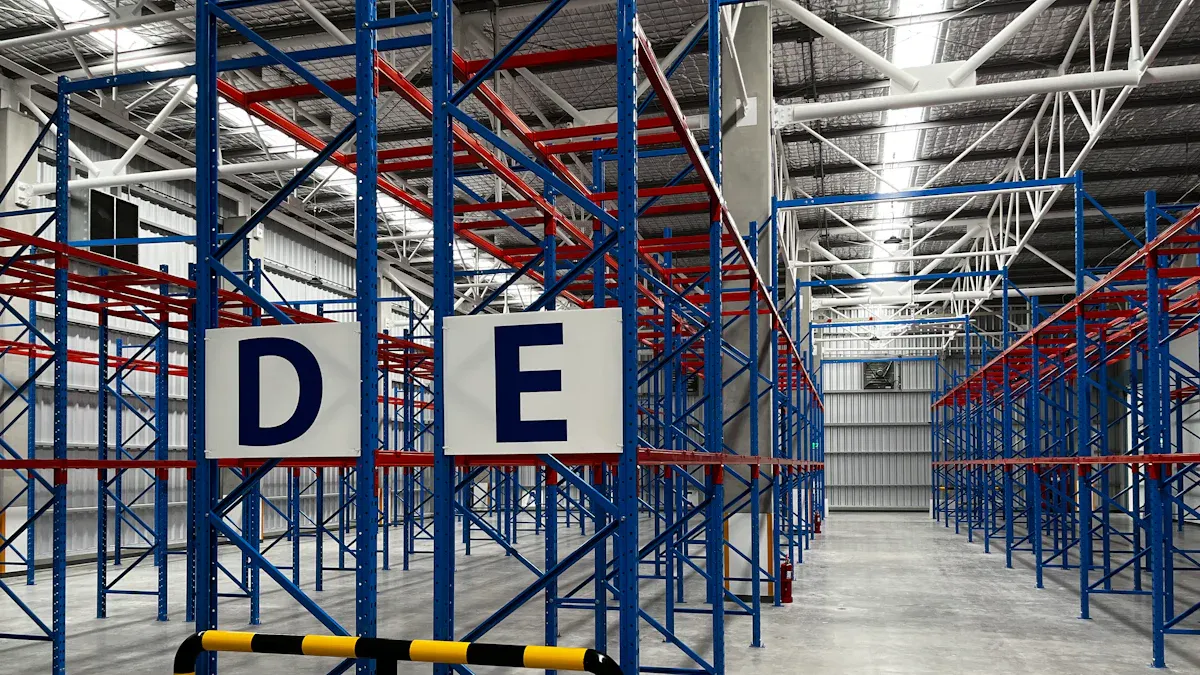
You improve your operation when you use coil storage racking systems. These systems support each coil individually. You prevent direct contact between coils. You reduce the risk of damage and make it easier to inspect each coil. You also increase storage efficiency because you use vertical space. You can label racks for better organization. You find the right coil faster and reduce handling time.
Tip: You protect your Yuqi Metal aluminum coils from crushing and edge damage by switching to coil storage racking systems.
Benefits of Automatic Storage Systems
You take your warehouse to the next level with automatic coil storage racking systems. Automation uses conveyors, lifts, and computer controls to move coils. You reduce manual labor and improve safety. You also track inventory in real time. You know exactly where each coil is stored.
Automatic coil storage racking systems help you maintain consistent storage conditions. You can set temperature and humidity controls for each rack. You avoid human error and keep your coils in top condition. You also boost storage efficiency because automated systems optimize space and movement. You handle more coils with less effort.
Feature | Benefit for Your Facility |
Automated Retrieval | Faster and safer coil access |
Real-Time Tracking | Accurate inventory management |
Environmental Control | Better protection against oxidation |
Labor Reduction | Lower risk of injury and fatigue |
Note: You can request custom automation solutions when you order from Yuqi Metal. You match your system to your facility size and coil types.
Maximizing Space and Efficiency
You maximize your warehouse space when you use coil storage racking systems. These systems let you store coils vertically and horizontally. You fit more coils in the same area. You also improve storage efficiency by organizing coils by alloy, size, or finish. You reduce the time spent searching for the right coil.
You should follow best practices for safe and efficient storage. You train your staff to use coil storage racking systems correctly. You inspect racks regularly for signs of wear or damage. You keep aisles clear for easy movement. You use sensors and alarms to monitor rack stability.
Callout: You increase your productivity and protect your investment when you combine coil storage racking systems with automation.
You see the benefits of coil storage racking systems in every part of your operation. You keep your Yuqi Metal aluminum coils safe, organized, and ready for use. You also improve storage efficiency and reduce costs over time.
Detailed Comparison of Storage Methods
Open-Air Storage
How It Works
You store aluminum coils outdoors or in areas without full enclosure. You place coils on pallets, cradles, or dunnage to keep them off the ground. You use padding to prevent direct contact with concrete or soil. You monitor weather conditions and move coils quickly if rain or humidity increases.
Effectiveness
Open-air storage offers basic protection. You keep coils accessible for fast turnover. You face higher risks from moisture, airborne contaminants, and temperature changes. You see oxidation start faster in humid or rainy climates. You must inspect coils often to catch early signs of corrosion.
Pros and Cons
Pros | Cons |
Easy access for loading/unloading | High risk of oxidation and corrosion |
Low setup cost | Exposure to rain, dust, and pollutants |
Suitable for short-term storage | Not ideal for long-term preservation |
Note: You reduce damage by using pallets and cradles, but you cannot fully protect coils from environmental hazards.
Best Uses
You choose open-air storage for short-term needs. You use it when you have rapid inventory turnover or limited indoor space. You avoid this method for high-value coils or long-term storage. You rely on open-air storage for temporary overflow during busy seasons.
Covered Storage
How It Works
You place aluminum coils under roofs, canopies, or tarps. You shield coils from direct sunlight, rain, and dust. You use cradles and pallets to keep coils stable. You organize coils by alloy and specification to prevent cross-contamination. You inspect covers regularly for tears or leaks.
Effectiveness
Covered storage improves protection compared to open-air storage. You block most rain and sunlight. You reduce exposure to airborne contaminants. You still face risks from humidity and temperature changes. You must check covers and storage accessories often to maintain effectiveness.
Pros and Cons
Pros | Cons |
Better protection from rain and sun | Limited control over humidity |
Suitable for medium-term storage | Covers may require frequent inspection |
Flexible setup for different spaces | Not as effective as climate-controlled |
Tip: You combine covered storage with coil padding and dunnage to extend coil life and reduce surface damage.
Best Uses
You use covered storage for medium-term needs. You select this method when you need extra protection without full climate control. You store coils for construction, HVAC, or general-purpose applications. You rely on covered storage when your facility faces moderate environmental risks.
Climate-Controlled Storage
How It Works
You store aluminum coils in environments with controlled temperature and humidity. You use dehumidifiers and air conditioning to keep humidity below 50%. You maintain temperatures between 15°C and 25°C. You organize coils on racks, cradles, or pallets. You monitor conditions with sensors and inspection logs.
Effectiveness
Climate-controlled storage provides the highest level of protection. You minimize oxidation and preserve coil quality. You prevent condensation, water stains, and corrosion. You maintain consistent conditions for all alloy series. You see coils stay pristine for long-term storage and demanding applications.
Pros and Cons
Pros | Cons |
Maximum protection against oxidation | Higher setup and operational costs |
Ideal for long-term and high-value storage | Requires regular monitoring and maintenance |
Maintains consistent quality | Needs specialized equipment |
Callout: You invest in climate-controlled storage to maximize performance and longevity for your Yuqi Metal aluminum coils.
Best Uses
You choose climate-controlled storage for long-term preservation. You use it for high-value coils or sensitive alloy series. You rely on this method for automotive, marine, or packaging applications. You select climate-controlled storage when you need to guarantee coil quality and minimize maintenance costs.
Vacuum-Sealed Packaging
How It Works
You protect your aluminum coil by using vacuum-sealed packaging. This method involves placing the coil inside a specially designed plastic or foil bag. You remove all air from the bag using a vacuum pump. The process creates a tight seal around the coil. You block oxygen, moisture, and contaminants from reaching the metal surface. You can add extra layers, such as reinforced film or UV-resistant materials, for additional protection.
Tip: You inspect the vacuum seal regularly. You look for punctures or leaks that could compromise the barrier.
Effectiveness
Vacuum-sealed packaging offers one of the highest levels of protection against oxidation. You eliminate the main causes of corrosion—oxygen and humidity. The sealed environment keeps your coil safe from water stains, dust, and airborne pollutants. You maintain the original surface finish and prevent discoloration. You also reduce the risk of microbial growth and chemical reactions.
Protection Feature | Benefit for Aluminum Coil |
Air Removal | Stops oxidation and moisture exposure |
Hermetic Seal | Blocks contaminants and pollutants |
UV Resistance | Prevents surface fading and degradation |
You see the effectiveness of vacuum-sealed packaging in long-term storage and during transportation. You keep your Yuqi Metal aluminum coil in pristine condition, ready for demanding applications.
Pros and Cons
You weigh the advantages and disadvantages before choosing vacuum-sealed packaging.
Pros:
You achieve maximum protection from oxidation and corrosion.
You extend the shelf life of your aluminum coil.
You preserve surface quality and prevent water stains.
You reduce maintenance and cleaning needs.
Cons:
You invest in specialized equipment and materials.
You must handle packaging carefully to avoid punctures.
You need regular inspection to maintain the seal.
Note: You balance cost and protection based on your storage duration and facility needs.
Best Uses
You select vacuum-sealed packaging for situations where you need the highest level of protection. You use this method for:
Long-term storage of high-value or sensitive coils.
Shipping coils across regions with varying climates.
Preserving coils for automotive, aerospace, or packaging industries.
Storing Yuqi Metal aluminum coils in facilities with high humidity or frequent temperature changes.
You combine vacuum-sealed packaging with proper handling and storage racks. You ensure your coil stays safe from oxidation and environmental hazards.
Callout: You request vacuum-sealed packaging as a custom option when ordering from Yuqi Metal. You guarantee your coil arrives and remains in top condition.
Choosing the Right Storage Method
Climate and Facility Considerations
You need to evaluate your local climate before you select a storage method for your aluminum coil. Humid regions increase the risk of oxidation. Dry climates reduce this risk but do not eliminate it. You should also look at your facility’s structure. If your warehouse has poor ventilation or fluctuating temperatures, you may need climate-controlled storage. Facilities with stable conditions allow for simpler solutions like covered storage. You must consider how much space you have. Large facilities can use racking systems to maximize vertical space. Smaller spaces may require creative stacking or compact racks. You protect your aluminum coil best when you match your storage method to your environment.
Tip: You monitor temperature and humidity levels regularly. This helps you adjust your storage strategy as seasons change.
Storage Duration and Frequency
You should think about how long you plan to store your aluminum coil and how often you need to access it. Short-term storage works well with open-air or covered methods, especially if you move coils quickly. Long-term storage requires more protection. Climate-controlled rooms or vacuum-sealed packaging keep your aluminum coil in top condition for months or years. If you need frequent access for production or shipping, racking systems make retrieval easier and safer. You avoid damage by choosing a method that matches your handling schedule. You also reduce the risk of oxidation by limiting how often you expose coils to air and moisture.
Note: You label each coil with storage dates and intended applications. This helps you rotate stock and use older coils first.
Cost and Operational Needs
You must balance cost with the level of protection you need for your aluminum coil. Some storage methods require a higher investment but offer better results. You can review the main options below:
Traditional floor storage costs less but increases the risk of material damage and safety hazards. Improper stacking can lead to crushed coils and workplace injuries.
Coil rack storage improves safety and makes it easier to access each aluminum coil. You optimize your floor space and reduce the chance of accidents.
Racking systems help you manage inventory and streamline your workflow. You can use FIFO (First-In, First-Out) picking methods to support production and typical end-use applications.
You should consider your operational needs. If your facility handles many types of applications, you benefit from organized racks and automation. If you store only a few coils for basic applications, simple covered storage may be enough. You save money in the long run by preventing damage and reducing labor costs.
Callout: You invest in the right storage method to protect your aluminum coil and support all your applications.
Matching Method to Yuqi Metal Alloy Series
You need to match your storage method to the specific Yuqi Metal alloy series you use. Each alloy series has unique properties. These properties affect how the coil reacts to moisture, temperature, and contaminants. You protect your investment by choosing the right storage for each type.
Here’s how you can match storage methods to Yuqi Metal’s main alloy series:
Alloy Series | Key Properties | Recommended Storage Method | Why This Works |
1000 Series | High corrosion resistance, high conductivity | Covered storage or open-air (short-term) | The natural oxide layer protects well. Use covered storage for extra safety. |
3000 Series | Good formability, moderate strength | Covered or climate-controlled storage | This alloy handles general use but benefits from humidity control. |
5000 Series | High strength, excellent corrosion resistance (marine grade) | Climate-controlled or vacuum-sealed packaging | This alloy resists corrosion but needs extra care in harsh or marine environments. |
6000 Series | High strength, good weldability | Climate-controlled storage or vacuum-sealed packaging | This alloy is strong but sensitive to oxidation during long-term storage. |
You should always consider the application. For example, if you use 5000 Series coils in marine projects, you need the highest level of protection. Climate-controlled rooms or vacuum-sealed packaging keep these coils in top condition. If you use 1000 Series coils for electrical work, you can use covered storage for most situations. You only need climate control for long-term storage or high-humidity areas.
Follow these steps to choose the best match:
Identify your alloy series.
You check the label or product documentation for the alloy number.
Review your storage environment.
You look at humidity, temperature, and exposure to contaminants.
Select the recommended method.
You use the table above as a quick reference.
Adjust for special needs.
You add extra protection if your facility faces extreme conditions.
Tip: You can combine methods for extra safety. For example, you can use climate-controlled storage with vacuum-sealed packaging for 5000 or 6000 Series coils in critical applications.
You also need to train your staff. You teach them how to recognize each alloy and follow the right storage steps. You keep your Yuqi Metal aluminum coils in the best condition by matching the storage method to the alloy’s needs.
Callout: You protect your product quality and reduce maintenance costs when you match your storage method to the Yuqi Metal alloy series.
Practical Tips for Aluminum Coil Storage
Proper Handling and Stacking
You protect your aluminum coils best when you follow careful handling and stacking practices. Improper handling increases the risk of surface damage, contamination, and oxidation. You need to use the right equipment and methods to keep your coils safe.
Choose a dry, well-ventilated storage area. You avoid sunlight and moisture, which can speed up oxidation.
Store coils indoors whenever possible. You keep them in a clean environment with good airflow.
Allow coils to acclimate before unpacking. You prevent condensation by letting them adjust to room temperature.
Use high-quality plastic film for packaging. You keep moisture away from the metal surface.
Keep packaging sealed and intact. You check for tears or holes and replace damaged wraps right away.
Handle coils with clean gloves. You avoid surface contamination from oils or dirt.
Use proper lifting equipment. You prevent scratches and dents by moving coils carefully.
Stack coils horizontally to distribute weight evenly. You reduce the risk of pressure damage.
Leave space between stacks. You allow air to circulate and moisture to evaporate.
Avoid stacking too high. You prevent crushing and make inspection easier.
Store coils vertically if possible. You minimize surface contact and reduce oxidation risk.
Place protective layers between aluminum circles. You prevent scratching and keep coils in good condition.
Use wooden pallets or supports. You avoid direct contact with the floor, which can transfer moisture.
Inspect stored coils regularly. You look for signs of damage or moisture and take action quickly.
Tip: You always leave enough space between stacks for ventilation. This helps moisture evaporate and keeps your coils dry.
Handling Practice | Benefit for Aluminum Coil |
Clean gloves | Prevents surface contamination |
Proper lifting equipment | Reduces risk of scratches and dents |
Protective layers | Avoids scratching between coils |
Wooden pallets | Isolates coils from floor moisture |
Horizontal stacking | Distributes weight evenly |
Vertical storage | Minimizes surface contact |
You improve coil longevity and reduce maintenance costs by following these best practices. You keep your Yuqi Metal aluminum coils ready for any application, from construction to packaging.
Combining Methods for Extra Protection
You can boost the protection of your aluminum coils by combining several storage methods. This approach helps you create multiple barriers against oxidation, moisture, and contaminants. You do not rely on just one solution. Instead, you layer different strategies to keep your coils in top condition.
You start by using climate-controlled storage. This method keeps temperature and humidity stable. You add covered storage to shield coils from dust and sunlight. You wrap coils in high-quality plastic film. You use vacuum-sealed packaging for sensitive alloys. You place coils on wooden pallets to keep them off the floor. You add coil padding to prevent scratches.
You can also use Vapor Corrosion Inhibitor (VCI) products. These products release protective molecules that coat metal surfaces. You place VCI shields or foam inside packaging. The shields protect up to 50 cubic feet for one year. VpCIs migrate from the foam to all metal surfaces. They seal out air and moisture. You can protect larger areas by combining multiple shields. VCI products work best when you minimize airflow around the coils. Protection starts quickly after you enclose the coils. The service life lasts as long as the packaging stays intact.
You can see the benefits of combining methods in the table below:
Method Combination | Protection Level | Best For |
Climate-Controlled + VCI Packaging | Maximum | Long-term, high-value storage |
Covered Storage + Coil Padding | Enhanced | Medium-term, general applications |
Vacuum-Sealed + Wooden Pallets | Superior | Sensitive alloys, shipping |
VCI Shields + Plastic Film | High | Facilities with fluctuating climate |
Tip: You check packaging regularly. You replace damaged wraps or shields right away. You keep airflow low to help VCI products work best.
You can combine methods for extra protection in several ways:
Store coils in climate-controlled rooms.
Wrap coils in plastic film and add VCI shields.
Use vacuum-sealed packaging for marine-grade alloys.
Place coils on wooden pallets with coil padding.
Inspect all layers during routine checks.
You improve coil longevity and reduce maintenance costs by combining storage methods. You keep your Yuqi Metal aluminum coils ready for any application. You protect your investment and ensure consistent quality.
Callout: You create a custom storage plan by combining methods. You match your strategy to your facility, climate, and alloy series. You get the best results when you layer protection.
You can protect your aluminum coil from oxidation by choosing smart storage methods. Match each storage solution to your aluminum coil alloy, application, and facility. Use climate-controlled rooms, vacuum-sealed packaging, or racking systems for the best results. Yuqi Metal gives you reliable aluminum coil options for every industry. Start using these best practices today to keep your aluminum coil in top condition.
FAQ
What causes aluminum coils to oxidize during storage?
You see oxidation when moisture, oxygen, and contaminants reach the coil surface. Humidity, temperature changes, and poor packaging speed up corrosion. You prevent oxidation by controlling these factors.
How can you tell if your aluminum coil is starting to oxidize?
You notice discoloration, white spots, or powdery residue on the coil surface. You check for water stains or rough patches. Early detection helps you stop further damage.
Which storage method works best for high-humidity environments?
You achieve the best results with climate-controlled storage or vacuum-sealed packaging. These methods keep humidity low and block moisture. You protect your coil from rapid oxidation.
Should you separate aluminum coils by alloy during storage?
You improve protection by storing coils by alloy and specification. Each alloy reacts differently to moisture and contaminants. You reduce cross-contamination and maintain product quality.
How often should you inspect stored aluminum coils?
You inspect coils weekly or bi-weekly. You adjust frequency based on humidity and temperature changes. Regular checks help you catch early signs of corrosion or packaging failure.
Can you combine storage methods for extra protection?
You boost coil safety by combining climate control, protective packaging, and racking systems. Layered methods create multiple barriers against oxidation and damage.
What is the safest way to handle aluminum coils during storage?
You use clean gloves, proper lifting equipment, and wooden pallets. You avoid stacking too high and leave space for ventilation. Careful handling prevents scratches and contamination.
Does Yuqi Metal offer custom storage solutions?
You request custom packaging, vacuum-sealed options, and racking systems from Yuqi Metal. You match storage solutions to your facility, climate, and alloy needs.