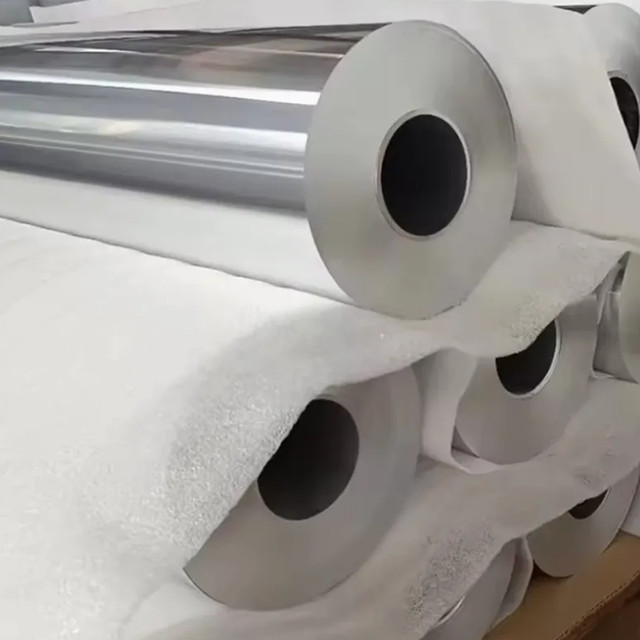
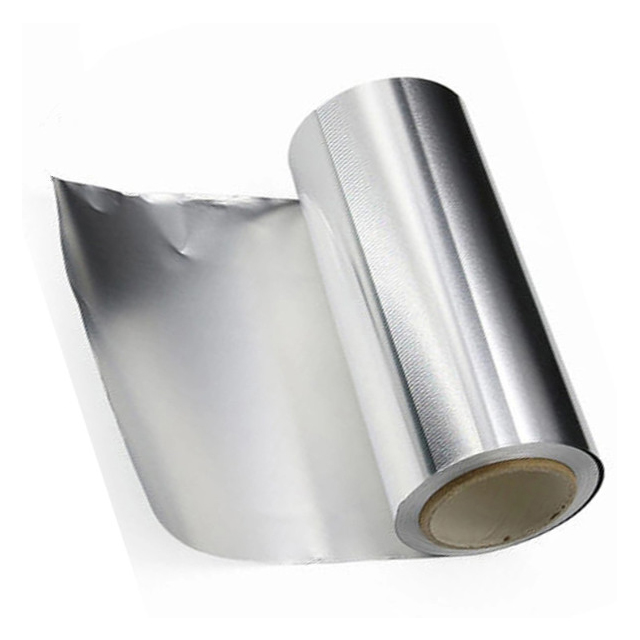
Composite sandwich panels face incredibly precise engineering requirements today. Across aerospace, marine, architectural, and transit sectors, the core material plays a critical role here. It dictates both the final structural integrity and the overall weight reduction of the composite panel. Modern engineers and procurement teams constantly seek materials balancing deep formability, rigid mechanical properties, and cost-efficiency. However, buyers and manufacturing managers frequently encounter frustrating industry pain points: unpredictable node ruptures during the expansion process that waste 10-15% of material, catastrophic adhesive delamination under thermal stress resulting in expensive warranty claims, and fluctuating material consistency that disrupts continuous automated production lines.
To overcome these costly hurdles, manufacturers ask: "How can we increase yield strength without paying exorbitant aerospace premiums?" As a result, 3104 Aluminum Foil has emerged as the clear standard for high-performance commercial honeycomb cores. This specific aluminum-manganese-magnesium alloy effectively navigates the tight technical demands of continuous manufacturing lines, bridging the gap between standard commercial grades and expensive aerospace alloys. This technical buyer guide provides a detailed blueprint for you, outlining the value it brings to your production floor. We will detail the technical criteria engineers, procurement managers, and panel manufacturers need to succeed in today's competitive materials market. You will learn how to accurately evaluate, specify, and source this essential honeycomb core material. By mastering these exact specifications, you ensure fewer production failures, reduce material waste, guarantee stronger final structures, and ultimately achieve a superior total cost of ownership (TCO).
Table of Contents
Toggle
Key Takeaways
Superior Alloy Performance: 3104 aluminum foil offers a 10-20% higher yield strength than standard 3003 foil, significantly reducing nodal rupture risks during the demanding honeycomb pull-expansion process and cutting scrap rates by up to 15%.
Surface Criticality for Adhesion: Optimal honeycomb bonding requires strictly controlled surface tension (minimum dynamic dyne levels >32 mN/m) and complete degreasing to prevent catastrophic adhesive failure and delamination, eliminating field warranty claims.
Strict Sourcing Criteria: Supplier evaluation must prioritize stringent manufacturing tolerances, particularly thickness tolerances of ±3%, precise slit edges without burrs, and certified mechanical testing data (TDS/MTC) to maintain continuous line speeds.
Optimal Cost-to-Strength Ratio: The 3104 alloy bridges the commercial gap between budget-friendly 3003 and premium aerospace-grade 5052, offering the best Return on Investment (ROI) for architectural cladding, rail transit, and cleanroom applications.
Thermal Process Compatibility: Proper specification of H18/H19 tempers ensures the core material maintains its work-hardened structural integrity even when exposed to adhesive curing temperatures ranging from 120°C to 180°C.
What Is 3104 Aluminum Foil
To make informed procurement and engineering decisions, one must thoroughly understand the metallurgical principles that define 3104 aluminum foil. Classified as a wrought alloy within the 3xxx series, its primary alloying element is manganese (Mn) at around 0.8-1.2%, enhanced with a specific addition of magnesium (Mg) at 0.8-1.3%. This precise chemical composition is engineered to provide excellent workability while simultaneously offering superior strength characteristics compared to unalloyed aluminum (1xxx series) or pure manganese alloys.
The "honeycomb core" principle relies on creating a hexagonal cellular structure that mimics natural geometries to absorb compressive forces while remaining predominantly composed of empty space (air), often achieving up to 98% open volume. To achieve this, the raw foil must undergo a continuous corrugation or block-stacking and pulling process. During the pull-expansion phase, the metal is subjected to intense localized stress at the adhesive nodes. If the material is too brittle, it fractures; if it is too soft, the hexagonal cells collapse under structural loads. 3104 aluminum foil, typically supplied in fully work-hardened H18 or H19 tempers, provides the exact ductile-to-yield ratio required. It allows for the precise unfolding of the hexagonal cell walls without micro-tearing, while retaining the immense stiffness necessary to form a load-bearing sandwich panel that can endure high-pressure lamination.
Technical Specifications and Parameters
Technical specifications might seem abstract on paper. However, they translate directly to your end-product performance, structural certifications, and regulatory compliance. You must build a robust evaluation framework that connects raw material features to physical outcomes. A deviation of just 0.01mm in thickness or a drop of 2 mN/m in dyne level can cause severe line bottlenecks. Below is a detailed breakdown of the critical specifications engineers must target when sourcing aluminum honeycomb core materials.
Core Technical Parameters Matrix
Technical Parameter
Standard Value / Range
Engineering Impact
Alloy & Temper
3104 - H18 / H19
Fully work-hardened state ensures maximum cell wall rigidity and crush resistance, critical for hot-press panel lamination.
Foil Thickness (Gauge)
0.02mm to 0.08mm
Dictates panel density. Thinner gauges allow micro-cells for spot-loads; thicker gauges support large-span structural cells.
Thickness Tolerance
± 3%
Prevents node misalignment during high-speed block stacking and ensures uniform automated adhesive application.
Surface Tension (Wettability)
> 32 mN/m (Dyne Level)
Critical for epoxy resin bonding. Prevents long-term sandwich panel delamination under thermal cycling.
Tensile Strength (UTS)
≥ 260 MPa
Ensures the material withstands the severe mechanical pull-expansion process without web tearing.
Elongation
1.5% - 3.0%
Provides just enough ductility to form tight hexagonal nodes perfectly without snapping the metal fibers.
Thickness and Cell Size Dynamics
Manufacturers typically supply this material in thicknesses ranging from 0.02mm to 0.08mm. This parameter directly impacts your final panel architecture and overall weight per square meter. Thinner gauges (e.g., 0.02mm - 0.03mm) allow for smaller cell sizes (such as micro-honeycomb geometries). Smaller cells dramatically increase honeycomb density, creating a highly rigid structure capable of handling intense spot loads and impact forces, making them perfect for lightweight architectural cladding applications and cleanroom panels.
Conversely, thicker gauges (0.05mm - 0.08mm) support larger cell sizes. By using a larger cell structure, you reduce overall panel weight and decrease the amount of expensive structural adhesive required. You must meticulously match the gauge to your specific compressive strength requirements. A 0.06mm thickness often serves heavy-duty transit floors and marine bulkheads where maximum crush resistance is paramount.
Surface Treatment and Adhesive Compatibility
Adhesive failure is the most catastrophic defect that destroys sandwich panels and hurts a brand's reputation. Therefore, the core requires "A-grade" wettability. Raw metal goes through rolling mills. These mills use heavy lubricants to prevent the metal from sticking to the rollers. If rolling oil residue remains on the finished foil, it creates a chemical barrier that causes severe delamination when bonded with epoxy or polyurethane adhesives.
You must demand verifiable degreasing processes from your manufacturer. The surface needs specific dyne level requirements. To achieve flawless bonding, follow these progressive steps on the factory floor:
Verify the water-drop test results for immediate wettability checks upon coil delivery to ensure "A-grade" cleanliness.
Request certification for dynamic dyne levels exceeding 32 mN/m, proving the surface is highly receptive to structural adhesives.
Confirm the absence of residual rolling lubricants using advanced UV inspection techniques.
Apply appropriate chemical conversion coatings (such as chrome-free silane treatments) tailored specifically for structural epoxy resins.
Features and Manufacturing Benefits
Translating raw material attributes into actionable business metrics is the core of smart procurement. The logical progression from a material's feature to the manufacturing benefit it provides, and ultimately to the business outcome, demonstrates the true value of 3104 aluminum foil.
Product Feature
Manufacturing Benefit
Business Value (Outcomes)
H18/H19 Temper Optimization
Maintains cell wall rigidity; eliminates cell collapse during high-temperature/high-pressure pressing.
Reduces internal scrap and rework rates by up to 15%, lowering overall production costs.
>32 mN/m Surface Wettability
Ensures perfect, uniform bonding of structural adhesives to the aluminum substrate.
Drastically cuts down on post-installation delamination, protecting brand reputation and zeroing out warranty claims.
Magnesium (Mg) Alloying Element
Provides precise ductility, allowing smooth node unfolding without micro-tearing.
Increases continuous machine uptime by 20% due to fewer web breaks during pull-expansion.
±3% Ultra-Tight Thickness Tolerance
Guarantees flawless node alignment during block stacking and precise glue line application.
Optimizes expensive glue consumption by up to 8% and ensures consistent structural panel ratings.
3104 Aluminum Foil vs Competitor Products
Panel manufacturers frequently face a difficult business problem. They must choose between cheap but weaker materials and over-engineered, expensive alternatives. When evaluating aluminum honeycomb core materials, the decision typically comes down to three alloy series: 3003, 3104, and 5052.
Standard 3003 alloy keeps expenses low. It is abundant and easy to manufacture. However, it sometimes lacks the rigidity needed for demanding applications, leading to panel deflection under heavy wind loads. Conversely, 5052 alloy provides immense strength. Yet, you often pay a massive premium for aerospace-grade specifications, and its extreme hardness makes it difficult to process. This creates an urgent need for an intermediate solution that balances structural integrity with commercial viability.
Comparative Analysis Matrix
Alloy Grade
Relative Yield Strength
Formability / Expansion Ease
Cost Category
Ideal Application
3003 (H18/H19)
Baseline
Excellent
Budget Commercial
Interior furniture, lightweight partitions
3104 (H18/H19)
10-20% Higher than 3003
Very Good
Mid-Tier Value
Architectural cladding, transit, cleanrooms
5052 (H18/H19)
Maximum (Aerospace Spec)
Challenging (Requires robust machinery)
Premium Aerospace
Aviation flooring, high-impact marine
Mechanical Property Baselines
We must contrast the baseline metrics of these alloys. 3003 offers good formability. It struggles under heavy compressive loads, making it unsuitable for exterior architectural facades facing high wind pressures. 5052 delivers exceptional toughness. It becomes difficult to form into tight honeycomb nodes without specialized, high-torque equipment, often leading to rapid tool wear on production lines. The 3104 alloy sits perfectly in the middle. It yields higher rigidity than 3003, typically exhibiting a 10-20% increase in yield strength. It retains more cost-effective formability than 5052, preventing machine strain and maintaining high production speeds.
Most commercial honeycomb applications specify H18 or H19 temper states. These tempers represent fully hard conditions. They ensure the cell walls remain stiff. They resist crushing forces efficiently during the high-pressure panel lamination process.
Expansion Reliability and Nodal Integrity
Honeycomb manufacturing relies heavily on the pull-expansion phase. You glue stacked sheets at specific node intervals. Then, you pull the block apart. This expands it into a hexagonal grid. If the material lacks appropriate elongation metrics, it tears. This nodal tearing ruins entire production batches and wastes expensive adhesives.
Specific elongation metrics prevent this disaster. The composition includes precise magnesium and manganese ratios. These elements provide enough ductility for expansion without sacrificing overall hardness. Simultaneously, they maintain the work-hardened strength. This unique metallurgical balance ensures smooth pulling. You experience fewer rejected blocks, a higher yield rate of usable core material, and a significantly more reliable continuous production cycle.
Applications and Industries
Where does this specific alloy deliver the highest commercial return? Understanding the end-use cases helps procurement teams align their material specifications with market demands. We see clear proof of concept across several demanding, high-growth industries. The balance of weight reduction and structural rigidity creates a massive return on investment (ROI).
Rail Transit & Marine Bulkheads
Transport engineers fight weight constantly to improve fuel efficiency and payload capacity. Rail transit (high-speed trains, trams) and marine sectors face rigorous weight-to-stiffness ratios. Panels must survive heavy foot traffic, constant vibration, and dynamic torsional stress. Furthermore, they demand strict fire-retardant compliance (such as EN 45545 for railways).
Pure metal cores remain completely non-combustible. Unlike foam cores, they emit no toxic smoke or burning droplets when exposed to extreme heat. This meets global maritime and rail safety standards effortlessly while shaving thousands of pounds off a train carriage or ship hull. Data indicates that replacing standard structural panels with 3104 honeycomb core panels can reduce vehicle weight by up to 30%, directly lowering lifecycle operational fuel costs and carbon emissions.
Architectural Cladding and Facades
Modern building facades utilize massive architectural panels. Wind load deflection poses a serious threat to high-rise structures. Weak cores allow panels to bow and flex under aerodynamic pressure. This creates an ugly, distorted exterior reflection under direct sunlight, ruining the building's aesthetic value and potentially compromising weather seals.
High-strength node walls made from 3104 aluminum prevent this deflection. They enable ultra-flat, large-span facade panels that maintain their dimensional stability over decades. Architects get their desired flat aesthetic. Installers handle fewer, larger panels. This speeds up construction significantly, reduces on-site labor hours by as much as 25%, and minimizes heavy framing costs.
Cleanroom & EMI Shielding Environments
High-tech environments isolate specific variables. Semiconductor manufacturing cleanrooms, pharmaceutical labs, and biotechnology facilities demand zero-outgassing materials. Organic foams release volatile organic compounds (VOCs) over time, contaminating sterile environments. Pure metallic structures solve this problem completely, offering a sterile, easily sanitized core with zero VOC emissions.
Additionally, data centers, hospitals, and aerospace testing facilities require electromagnetic interference (EMI) mitigation. The conductive, continuous metallic grid structure of the honeycomb core acts as a highly effective Faraday cage. It blocks stray electromagnetic signals effectively. This protects sensitive servers, MRI machines, and critical testing equipment from outside radio frequency (RF) noise and signal disruption.
Common Challenges and Implementation Risks
Integrating a new raw material into an existing production line introduces operational friction. Procurement isn't just about unit price; it's about total manufacturing compatibility. You must anticipate process realities across three main risk categories: production, procurement, and field usage. Even high-grade 3104 Aluminum Foil requires careful handling adjustments to maximize yield and minimize machine downtime.
Production Risks: Tension Control and Web Handling
Continuous corrugation machines and automated gluing lines demand consistent coil tension. If tension drops, the web wrinkles. This causes uneven glue application. Uneven glue lines lead to weak nodes and localized delamination in the final panel. If tension spikes, the material snaps unexpectedly, requiring operators to re-thread the entire machine, losing hours of valuable production time.
You must calibrate your unwind stands precisely. The 3104 alloy handles web tension better than softer grades due to its higher tensile strength. However, micro-variations still trigger downtime. Operators should monitor edge tracking constantly. Cleanly slit edges are critical—any micro-burrs left from the slitting process act as stress concentrators, causing micro-tears to propagate violently during high-speed production runs.
Production Risks: Thermal Limits in Adhesive Curing
Adhesive curing in sandwich panel lamination involves significant heat and pressure. Typical curing temperatures for industrial structural epoxies range from 120°C to 180°C. You must understand how the metal interacts thermally. If temperatures exceed specific thresholds for too long, the metal begins to anneal (soften).
Annealing destroys the H18 or H19 work-hardened state. You lose the rigid mechanical properties you explicitly paid for. You must optimize your oven dwell times. Flash-curing epoxies or staged thermal pressing often work best. They limit prolonged heat exposure. As a result, the cell walls retain their structural integrity. They emerge from the hot press fully bonded and mechanically sound. Monitor your heated platen temperatures closely with thermal sensors to avoid creating hidden weak points in the panel's center.
Procurement and Usage Risks
On the purchasing side, failing to align Minimum Order Quantities (MOQs) with project scopes ties up capital and clogs inventory. If you rely on a single source, supply chain bottlenecks can stall multimillion-dollar projects. In field usage, if the degreasing is inadequate (dyne level <30 mN/m), panels will inevitably delaminate during extreme summer and winter thermal cycles, triggering disastrous recall costs and voided warranties.
How to Choose a Reliable Supplier
Marketing claims mean very little on the factory floor when a production line grinds to a halt due to defective raw materials. You need trust, verified data, and consistent reliability. Evaluating supplier reliability requires strict protocols. You cannot base procurement decisions solely on the lowest price per metric ton; doing so invariably leads to high scrap rates and missed delivery deadlines.
Quality Control Documentation and Certification
Every shipment must include transparent, traceable documentation. Treat missing or generic paperwork as a critical red flag. Reliable manufacturing partners willingly provide extensive proof of quality to support their pricing. Make sure your procurement team collects and files the following items before authorizing payment:
Technical Data Sheets (TDS): Batch-specific documents detailing the exact alloy composition, confirming the precise Mn and Mg percentages.
Mill Test Certificates (MTC): Essential for tracing the raw ingot origin, casting parameters, and production lot history for ISO compliance.
Mechanical Testing Validation: Third-party or certified in-house lab reports verifying ultimate tensile strength, yield strength, and elongation limits.
Surface Tension Reports: Certification proving pre-shipment degreasing levels and guaranteeing dyne levels meet the >32 mN/m threshold.
Manufacturing Tolerances and Slitting Precision
Honeycomb geometry forgives very few errors. You must assess a supplier's technological capability for maintaining tight thickness tolerances across the entire width of the coil. Industry standards accept a ±3% variance. Anything looser than this disrupts node stacking, creates uneven blocks, and throws off automated glue lines, resulting in defective expansion.
Additionally, demand precise slitting widths. Poor rotary slitting leaves microscopic burrs on the coil edge. These burrs misalign the glue lines as the web shifts over guide rollers. They also force you to trim more material from the block edges later in the process. Precise slitting minimizes edge waste. It saves you money directly by improving material utilization and keeps machines running smoothly without snags.
Scalability, MOQs, and Supply Chain Security
Production demands fluctuate based on your project pipeline. Your supplier must adapt quickly to your volume changes. Evaluate their Minimum Order Quantities (MOQs). Strict, massive MOQs kill cash flow for prototyping, R&D trials, and short-run custom panel projects.
Also, investigate lead times for custom slitting and non-standard gauges. Ask prospective suppliers about their raw material sourcing stability. Do they rely on a single smelter, or are they vertically integrated? Multiple sourcing channels or robust internal casting capabilities ensure supply chain security. You avoid sudden shortages, exorbitant spot-market pricing, and delayed shipments during your peak manufacturing season.
Cost and ROI Analysis
Forward-thinking procurement evaluates Total Cost of Ownership (TCO) rather than isolated per-kilogram prices. While 3104 aluminum foil typically carries a 10% to 15% price premium over standard 3003 commercial grades, the long-term Return on Investment (ROI) is vastly superior when examining full lifecycle costs.
Consider a facility processing 100,000 square meters of core material annually. If standard 3003 material yields an 8% scrap rate due to nodal rupture and cell collapse, transitioning to 3104 can reliably drop that scrap rate to under 2%. The savings derived from reduced raw material waste, compounded by a 5-8% reduction in adhesive consumption due to tighter tolerances, often offsets the initial price premium within the first three to four months of production. Furthermore, eliminating just one massive field replacement claim—caused by poor wettability and delamination—makes the financial case for specifying 3104 unequivocally positive.
Procurement Checklist
Before placing a bulk order, use this actionable checklist to ensure your raw material aligns seamlessly with your engineering expectations:
[ ] Verify Alloy Grade: Confirm 3104 composition with specific Mn (0.8-1.2%) and Mg (0.8-1.3%) levels.
[ ] Confirm Temper: Ensure material is supplied in fully work-hardened H18 or H19 state.
[ ] Check Tolerances: Obtain written guarantees for ±3% thickness tolerance across the entire coil width.
[ ] Assess Surface Cleanliness: Demand test reports showing dynamic dyne levels of >32 mN/m for structural bonding.
[ ] Audit Documentation: Secure the Mill Test Certificate (MTC) and Technical Data Sheet (TDS) prior to delivery.
[ ] Test Prototypes: Run a trial coil through your specific expansion and thermal curing machinery to validate line speed and adhesive compatibility.
Conclusion
Specifying the correct core material dictates the ultimate commercial and structural success of your composite sandwich panels. Using a dedicated, high-performance alloy like 3104 mitigates catastrophic manufacturing defects, such as cell collapse and adhesive delamination, while optimizing overall panel strength-to-weight ratios. It bridges the gap between budget constraints and engineering requirements, streamlining your production costs effectively and boosting your brand's reputation for quality.
To successfully integrate this material into your procurement strategy, consider these critical next steps:
Audit your current production line for core failure rates, specifically noting delamination, cell collapse events, or web tearing during expansion to calculate your current hidden costs.
Consult with your structural engineering team to determine optimal thickness (gauge) and cell size targets for your upcoming architectural or transit projects.
Request sample coils from vetted, ISO-certified suppliers to run physical pull-expansion, tension control, and thermal curing prototypes on your actual machinery.
Require specific TDS and MTC documentation for all sample materials to verify surface tension (dyne levels) and mechanical yield properties before signing bulk contracts.
Frequently Asked Questions (FAQ)
Q: How does 3104 aluminum foil prevent adhesive failure in honeycomb cores?
A: Adhesive failure usually stems from poor surface tension caused by residual lubricants. This specific alloy undergoes strict degreasing processes at the mill to remove rolling oils. Manufacturers aim for high dynamic dyne levels (>32 mN/m), creating an "A-grade" wettable surface. When paired with proper chemical conversion coatings, like silane or chrome-free treatments, structural epoxy and polyurethane resins bond flawlessly to the microscopically clean metal.
Q: What is the standard thickness used for commercial honeycomb panels?
A: The standard commercial range falls between 0.03mm and 0.06mm. This thickness heavily dictates cell node length and overall panel density. Thinner foils (0.02mm-0.03mm) allow for tighter, smaller micro-cells, creating highly dense, extremely rigid cores resistant to point-loads. Thicker foils (0.05mm-0.08mm) support larger cell structures, significantly reducing the final panel weight and adhesive usage for large-span applications.
Q: How can engineers visually or physically identify high-quality 3104 foil on the factory floor?
A: Engineers use the water-drop test (or specialized dyne pens) to instantly verify wettability, confirming proper degreasing. Physically, they inspect the coil edges; clean, high-precision slitting leaves absolutely no burrs or jagged deformations. Furthermore, high-quality material shows a completely uniform, flat surface. You will notice a distinct absence of rolling marks, dark oxidation streaks, dents, or microscopic pinholes when held against a light source.
Q: Why are H18 and H19 tempers specified instead of softer annealed states?
A: H18 and H19 designate fully work-hardened tempers. Honeycomb core cell walls must resist severe compressive crushing forces during the heated lamination process and in final end-use (like foot traffic on a floor panel). Soft, annealed tempers (like O temper) would easily crumple under these loads. The fully hard tempers provide the necessary stiffness while the specific 3104 alloy chemistry retains just enough ductility for the expansion process without snapping.
Q: Does the aluminum core provide any EMI shielding benefits?
A: Yes. The continuous, interconnected hexagonal metallic structure acts as a highly effective Faraday cage. When properly grounded through the panel skins, it absorbs and deflects Electromagnetic Interference (EMI) and Radio Frequency Interference (RFI). This makes it highly desirable for cleanrooms, data centers, hospitals, and aerospace testing facilities where protecting sensitive electronic equipment is mandatory.
Q: Can 3104 aluminum core materials be recycled?
A: Absolutely. Aluminum is 100% infinitely recyclable without any loss of structural properties. From a sustainability and LEED-certification standpoint, off-cuts, edge trimmings, and end-of-life sandwich panels can be melted down and repurposed. This dramatically lowers the carbon footprint of your manufacturing process compared to using thermoset foams or non-recyclable polymer cores.
Q: What Minimum Order Quantities (MOQs) should procurement expect?
A: MOQs vary heavily by supplier and specific specifications. Standard thicknesses (like 0.04mm or 0.06mm) in common widths often have lower MOQs (typically 1 to 3 metric tons) because mills run them continuously. Custom gauges, non-standard widths, or specialized chemical coatings may push MOQs to 5 or even 10 metric tons. Procurement should negotiate trial-run quantities during the vetting phase to test material compatibility.
Q: How does the cost of 3104 compare to 3003 and 5052 alloys over time?
A: While 3104 initially costs 10-15% more per kilogram than basic 3003, it dramatically reduces node rupture scrap rates and lowers glue consumption through tighter tolerances, generating a positive ROI within months. It also bypasses the heavy aerospace premiums of 5052, providing an ideal middle-ground for commercial operators seeking superior TCO (Total Cost of Ownership).
Table of Content list
+86-18086775436
info@yqalu.com No. 9, Huaxia Road, High-tech Zone, Xuzhou City, Jiangsu Province, China