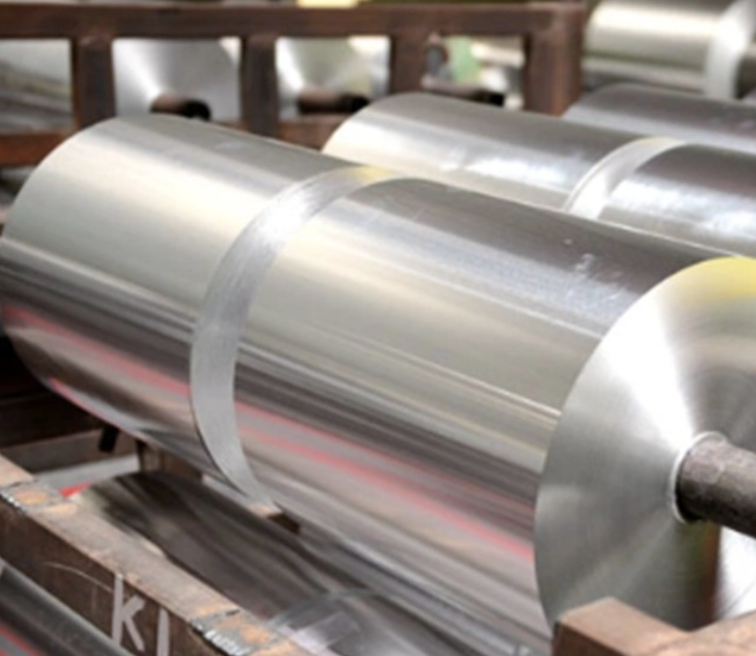
The production of high-performance aluminum foil is a sophisticated industrial process that requires a deep understanding of metallurgy and mechanical engineering. While a standard aluminum foil may appear to be a simple metal sheet, the internal structure and surface characteristics of the aluminum foil are determined by complex processing methods. In the global packaging industry, 8011 aluminum foil, 8079 aluminum foil, and 8021 aluminum foil represent the three most significant alloys used for protection and containment. The choice of an aluminum foil alloy and the specific aluminum foil processing route are critical factors that determine the final quality of the aluminum foil. This guide analyzes the various processing methods used to transform aluminum foil into a versatile shield for food, medicine, and industrial applications.
Understanding the differences between 8011, 8079, and 8021 aluminum foil is essential for any professional working with aluminum foil. Each aluminum foil alloy has a specific chemical composition that reacts differently to cold rolling and heat treatments. A reliable aluminum foil must provide a 100% barrier against moisture, oxygen, and light. To achieve this, the aluminum foil must undergo rigorous processing that eliminates defects and enhances mechanical properties. From the initial rolling mill to the final annealing furnace, every step in the aluminum foil production line is engineered for precision and consistency.

The technical core of aluminum foil alloy selection
The performance of an aluminum foil begins with its alloy composition. Manufacturers select the aluminum foil alloy based on the intended end-use of the aluminum foil.
8011 aluminum foil: This aluminum foil alloy contains iron and silicon, which provide the aluminum foil with high tensile strength and excellent processing stability. It is the most common aluminum foil for household use and bottle caps.
8079 aluminum foil: This aluminum foil alloy offers higher moisture resistance and better flexibility. It is often the preferred aluminum foil for high-end soft packaging where the aluminum foil must withstand repeated folding.
8021 aluminum foil: Known for its exceptional elongation, this aluminum foil alloy is specifically processed for deep-drawing applications. It is the gold standard aluminum foil for pharmaceutical cold-form blister packaging.
The technical core of aluminum foil processing involves manipulating these alloys to meet specific physical requirements. An aluminum foil must be thin enough to be flexible but strong enough to resist tearing. The processing methods for aluminum foil are designed to balance these conflicting needs. By analyzing the grain structure of the aluminum foil during production, engineers can optimize the aluminum foil for specific machines and environments.
Precision rolling and thickness control of aluminum foil
The primary processing method for aluminum foil is cold rolling. In this stage, a thick aluminum coil is fed through a series of rolling mills to reduce the aluminum foil thickness. For ultra-thin aluminum foil, the pressure applied to the aluminum foil must be perfectly even. If the rolling pressure is inconsistent, the aluminum foil will develop "wrinkles" or varying thickness across the aluminum foil width. Modern rolling mills use advanced sensors to monitor the aluminum foil thickness in real-time, ensuring the aluminum foil meets tolerances as low as 0.001mm.
Rolling also impacts the surface finish of the aluminum foil. A "double-rolled" aluminum foil results in one shiny side and one matte side. This occurs because two sheets of aluminum foil are rolled together to prevent the aluminum foil from tearing at extremely thin gauges. The friction between the aluminum foil and the rollers creates the shiny side, while the contact between the two aluminum foil sheets creates the matte side. This characteristic of aluminum foil is useful in various industrial applications where the aluminum foil orientation matters for adhesion or heat reflection.
Annealing and the heat treatment of aluminum foil
Cold rolling makes the aluminum foil hard and brittle due to work hardening. To restore the flexibility of the aluminum foil, a heat treatment called annealing is required. The annealing process involves placing the aluminum foil coils in a controlled atmosphere furnace. The temperature and duration of the aluminum foil annealing process determine the final temper of the aluminum foil.
O State (Soft) aluminum foil: The aluminum foil is fully annealed to achieve maximum elongation. This is essential for 8021 aluminum foil used in medicine.
H State (Hard) aluminum foil: The aluminum foil is either not annealed or only partially annealed to retain high stiffness. This is common for 8011 aluminum foil used in rigid containers.
The molecular impact of aluminum foil annealing
During the annealing of aluminum foil, the metal crystals undergo recrystallization. This process removes internal stresses within the aluminum foil, allowing the aluminum foil to be bent or stretched without breaking. For 8079 aluminum foil, precise temperature control ensures the aluminum foil maintains its superior barrier properties. A poorly annealed aluminum foil will have inconsistent mechanical properties, leading to failures when the aluminum foil is used on high-speed packaging machines.
Degreasing the aluminum foil surface
A secondary benefit of the aluminum foil annealing process is degreasing. Rolling oil is used to lubricate the aluminum foil during the thinning process. If this oil remains on the aluminum foil, it will prevent printing inks or adhesives from sticking to the aluminum foil. High-temperature annealing burns off the residual oil, resulting in an aluminum foil surface that meets Grade A wetting tension standards. This clean aluminum foil surface is vital for the pharmaceutical and food sectors.
Data Analysis: Comparing 8011, 8079, and 8021 aluminum foil
To provide a clear understanding of how these alloys differ, the following table compares the mechanical properties and processing outcomes of 8011, 8079, and 8021 aluminum foil.
Technical comparison of aluminum foil alloys
| Property | 8011 aluminum foil | 8079 aluminum foil | 8021 aluminum foil |
| Tensile Strength (Mpa) | 125 – 165 | 70 – 110 | 80 – 110 |
| Elongation (%) | 2 – 10 | 15 – 20 | 20 – 30 |
| Pinhole Rate | Low | Very Low | Minimal / Zero |
| Surface Finish | Bright / Matte | Bright / Matte | Ultra-Clean |
| Cold Forming Ability | Moderate | Good | Excellent |
| Typical Use | Bottle caps, household | Food pouches, tape | Cold-form blister |
Composite lamination and multilayer aluminum foil processing
Many industrial applications require the aluminum foil to be bonded to other materials. This process, known as lamination, creates a composite aluminum foil structure that combines the barrier of aluminum foil with the strength of plastic or paper.
Dry Lamination: An adhesive is applied to the aluminum foil and dried before being pressed against a substrate. This is a common processing method for 8079 aluminum foil used in coffee bags.
Extrusion Lamination: Molten plastic is used as a bonding agent between the aluminum foil and another material. This is often used for 8011 aluminum foil in liquid packaging.
Lamination improves the puncture resistance of the aluminum foil. While 8021 aluminum foil is strong, adding a layer of nylon or PVC to the aluminum foil ensures that the aluminum foil can withstand the sharp edges of a tablet or a battery component. The processing of composite aluminum foil must be done in a clean-room environment to ensure no dust particles are trapped between the aluminum foil layers.
Surface coating and functional treatments for aluminum foil
A significant portion of 8011 aluminum foil production involves surface coating. For the pharmaceutical industry, 8011 aluminum foil is often coated with a heat-seal lacquer. This lacquer allows the aluminum foil to be bonded to a plastic blister tray using heat and pressure. The coating process requires high precision to ensure the weight of the lacquer on the aluminum foil is consistent across the entire aluminum foil surface.
Protective OP coating on aluminum foil
A protective layer, known as an OP (over-print) coat, is often applied to the shiny side of the aluminum foil. This coating protects the aluminum foil from corrosion and prevents the printing on the aluminum foil from being scratched. For 8021 aluminum foil used in lithium batteries, specialized anti-corrosion coatings are applied to the aluminum foil to protect the aluminum foil from the acidic electrolyte inside the battery.
Color printing and branding on aluminum foil
Aluminum foil is an excellent substrate for high-quality printing. Rotogravure printing is the most common method for applying logos and instructions to aluminum foil. Because aluminum foil is non-absorbent, the inks used on the aluminum foil must dry quickly through evaporation. The surface of the aluminum foil must be perfectly flat and free of oil to ensure the ink adheres to the aluminum foil. 8079 aluminum foil is highly valued in the marketing sector for its ability to hold vivid colors and fine details.
Cold forming and the deep-drawing of 8021 aluminum foil
The processing of 8021 aluminum foil is unique because of its high elongation. Cold forming involves pushing the aluminum foil into a mold at room temperature. This creates a pocket in the aluminum foil that can hold a pill or a battery cell. Only 8021 aluminum foil has the necessary molecular structure to be stretched to this extent without the aluminum foil cracking.
During the deep-drawing of 8021 aluminum foil, the aluminum foil must maintain its barrier integrity. If the aluminum foil develops even a single microscopic crack, the aluminum foil is no longer a valid barrier. This is why the rolling and annealing of 8021 aluminum foil are much more stringent than for 8011 aluminum foil. Every square meter of 8021 aluminum foil is a testament to advanced metallurgical control.
Lubrication processing for container aluminum foil
For 8011 aluminum foil used in food containers, a lubrication process is essential. Before the aluminum foil is stamped into a tray, a very thin layer of food-grade oil is applied to the aluminum foil surface. This lubricant allows the aluminum foil to slide through the stamping dies without friction. Without this processing step, the aluminum foil would tear or "seize" in the mold. The amount of oil on the aluminum foil must be carefully controlled; too much oil will make the aluminum foil greasy, while too little will result in aluminum foil failure.
Quality inspection and pinhole detection in aluminum foil
The quality of an aluminum foil is defined by its lack of pinholes. A pinhole is a tiny perforation in the aluminum foil that can compromise the shelf life of the product inside. During the processing of 8079 aluminum foil and 8021 aluminum foil, laser detection systems are used to scan the aluminum foil as it is rolled. These systems can detect pinholes in the aluminum foil that are invisible to the naked eye.
Mechanical testing of aluminum foil samples
Samples from every aluminum foil coil are sent to a laboratory for testing. The aluminum foil is tested for tensile strength, elongation, and bursting strength. For 8011 aluminum foil, the stiffness of the aluminum foil is also measured. These tests ensure that the aluminum foil will perform correctly on the customer's packaging line. Consistency is the most important quality for an aluminum foil manufacturer.
Surface wetting tension and brush water tests
To ensure the aluminum foil is ready for printing or lamination, a brush water test is performed. Distilled water is brushed onto the aluminum foil surface. If the water spreads evenly across the aluminum foil, the aluminum foil has high surface energy (Grade A). If the water beads up on the aluminum foil, it indicates that the aluminum foil surface is contaminated with oil. This test is a critical gatekeeper for the high-quality 8021 aluminum foil used in the medical industry.
Economic Analysis: Cost vs Performance of aluminum foil alloys
When selecting an aluminum foil alloy, businesses must balance the cost of the aluminum foil against the required performance of the aluminum foil.
Cost Efficiency: 8011 aluminum foil is generally the most affordable aluminum foil due to its high production volume and simpler processing requirements.
Performance Balance: 8079 aluminum foil provides a higher level of protection for sensitive foods, justifying a slightly higher aluminum foil price.
Premium Security: 8021 aluminum foil is the most expensive aluminum foil because of the specialized rolling and annealing needed to achieve its elongation properties.
The return on investment (ROI) for using a high-quality aluminum foil is found in the reduction of product waste. An inferior aluminum foil that leaks or tears will cost a company much more than the initial price of a premium aluminum foil. For pharmaceutical companies, using 8021 aluminum foil is a mandatory investment to ensure patient safety and product stability.
Common challenges in aluminum foil storage and handling
Even a perfectly processed aluminum foil can be ruined by improper storage. Aluminum foil is sensitive to moisture and temperature. If aluminum foil is stored in a humid environment, the aluminum foil can develop oxidation. This oxidation appears as white spots on the aluminum foil and can prevent the aluminum foil from being printed or laminated.
The handling of aluminum foil coils must also be done with care. The edges of an aluminum foil coil are very delicate. If the edge of the aluminum foil is dented, the aluminum foil will tear as it is unwound on a high-speed machine. Proper packaging of the aluminum foil coils in wooden crates with internal suspension is necessary to protect the aluminum foil during transit. Maintaining the integrity of the aluminum foil from the factory to the end-user is a shared responsibility in the aluminum foil supply chain.
Sustainability and the recycling of aluminum foil
Aluminum foil is one of the most sustainable packaging materials available. Aluminum foil can be recycled infinitely without any loss in the quality of the aluminum foil. The recycling process for aluminum foil requires only 5% of the energy needed to produce primary aluminum foil from ore. This makes aluminum foil a key component of the circular economy.
Manufacturers are also developing thinner aluminum foil options to reduce the amount of metal used in packaging. A 6-micron 8079 aluminum foil provides almost the same barrier as a thicker aluminum foil but uses significantly less raw material. The future of the aluminum foil industry is focused on maximizing the barrier efficiency of the aluminum foil while minimizing its environmental footprint.
Troubleshooting aluminum foil production issues
When an aluminum foil fails on a production line, the issue can often be traced back to the aluminum foil processing.
Tearing: This often indicates that the aluminum foil was not annealed correctly or that the aluminum foil edge was damaged.
Poor Adhesion: This usually means the aluminum foil was not properly degreased during the heat treatment process.
Leaking: This suggests a high pinhole rate in the aluminum foil, often caused by poor quality aluminum ingots or improper rolling mill maintenance.
By analyzing these aluminum foil failures, engineers can adjust the aluminum foil processing parameters to prevent future issues. A deep understanding of how aluminum foil behaves under heat and pressure is required to solve these complex aluminum foil puzzles.
Conclusion
In the modern world, aluminum foil is a silent protector that ensures our food is fresh and our medicines are safe. The various processing methods of 8011 aluminum foil, 8079 aluminum foil, and 8021 aluminum foil demonstrate the incredible precision required to manufacture this versatile metal. From the mechanical force of the rolling mill to the thermodynamic changes in the annealing furnace, every part of the aluminum foil journey is designed to create a perfect barrier. Whether it is the strength of 8011 aluminum foil, the flexibility of 8079 aluminum foil, or the elongation of 8021 aluminum foil, these alloys are the backbone of the global packaging industry.
At Yuqi Metal, the technical excellence of aluminum foil is the foundation of every product delivered. Industry expertise ensures that every coil of 8011, 8079, and 8021 aluminum foil is processed to the highest international standards. Yuqi Metal recognizes that for a packaging engineer or a procurement manager, the reliability of the aluminum foil is non-negotiable. This is why Yuqi Metal focuses on the science of the aluminum foil surface and the integrity of the aluminum foil grain structure.
By partnering with Yuqi Metal, businesses gain access to an aluminum foil supplier that understands the complexities of deep-drawing, heat-sealing, and high-speed lamination. Yuqi Metal takes pride in the fact that its aluminum foil products are used in some of the most sensitive industries in the world. The commitment to aluminum foil quality means that every batch of aluminum foil is tested, scanned, and verified for performance. Yuqi Metal is dedicated to being the reliable force behind your aluminum foil needs, providing the technical support and high-performance aluminum foil that drives your business forward. Trust Yuqi Metal to deliver the aluminum foil technology that keeps your products protected and your customers satisfied. The future of your packaging starts with the aluminum foil precision of Yuqi Metal.


